
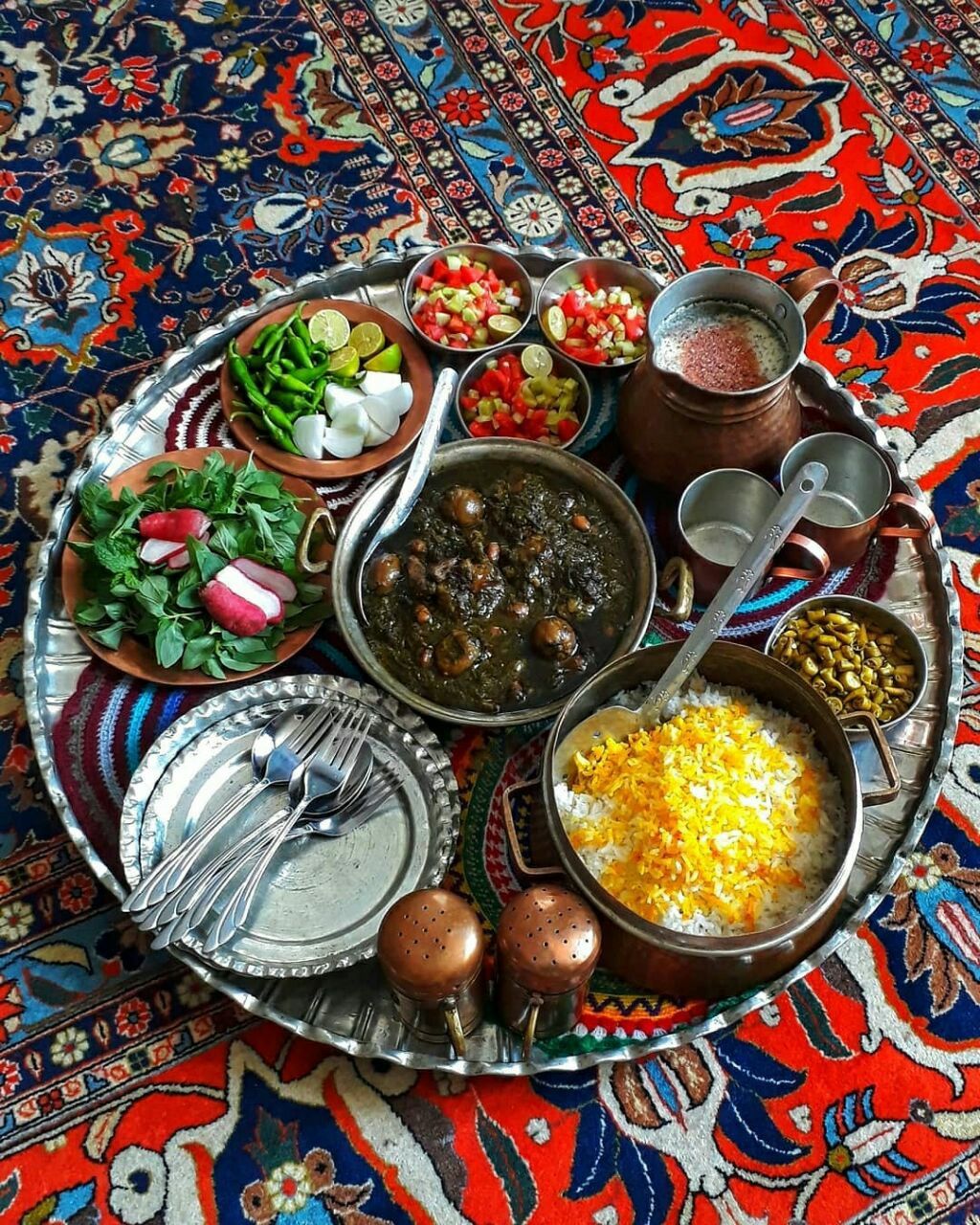
Discovering the Rich Culinary Heritage of Iran
Iran, often referred to as the land of poetry, art, and ancient traditions, is also home to one of the world’s most diverse and exquisite culinary landscapes. With its deep-rooted history, multi-ethnic population, and varied climate, Iranian cuisine offers a rich tapestry of flavors that reflect the country’s culture, geography, and historical connection to the Silk Road.
A Land of Culinary Diversity
Iran’s vast geography and cultural diversity have profoundly influenced its cuisine. Each region of Iran has its own unique dishes, cooking techniques, and flavor profiles. The northern provinces, near the Caspian Sea, are known for their rich stews, seafood, and use of fresh herbs and garlic. The southern regions, with their proximity to the Persian Gulf, incorporate a lot of spices and seafood into their meals, giving their cuisine a bold and aromatic character. In the west and northwest, Kurdish and Azerbaijani communities contribute hearty meat-based dishes, while central Iran’s arid climate emphasizes dried fruits, nuts, and saffron-laced meals.
Even the nomadic tribes of Iran, such as the Bakhtiari and Qashqai, maintain their own culinary traditions. They rely on seasonal ingredients and simple yet flavorful preparations, often cooked over open fires, reflecting their close connection to nature.
Top 10 Iranian Foods You Must Try:
1- Ghormeh Sabzi
It features a rich blend of sautéed herbs like parsley, cilantro, and fenugreek, combined with kidney beans, tender chunks of meat (usually lamb or beef), and dried limes (limoo amani) for a tangy flavor. Slow-cooked to perfection, it is traditionally served with steamed Iranian rice. Its deep, aromatic flavors make it a beloved comfort food in Iranian cuisine.

2- Chelo Kebab
It consists of succulent, grilled kebabs—typically made with ground beef (Koobideh), chicken (Joojeh), or lamb—served over a bed of fluffy, buttery steamed basmati rice (chelo). The dish is often garnished with grilled tomatoes, onions, and a sprinkle of sumac for a tangy touch. It’s commonly accompanied by yogurt, fresh herbs, and flatbread. Chelo Kebab is celebrated for its simplicity, bold flavors, and cultural significance in Persian cuisine.

3- Zereshk Polow
It is a vibrant and flavorful Persian rice dish. It features Iranian rice layered with zereshk (barberries), which are tart, ruby-red berries that add a unique tangy flavor. The dish is often sweetened with a touch of sugar and enhanced with saffron-infused rice, giving it a golden hue and aromatic richness. Zereshk Polow is commonly served as a side dish, particularly alongside chicken or poultry, and is a staple at Persian celebrations and gatherings. Its sweet-and-sour taste and colorful presentation make it a festive and beloved part of Iranian cuisine.

4-Ghormeh Gheimeh (Yellow Split Pea Stew)
It also known as Yellow Split Pea Stew, is a hearty and flavorful Persian dish. It features tender chunks of beef or lamb cooked with yellow split peas, dried limes (limoo amani) for tanginess, and tomato paste for richness. The stew is seasoned with turmeric and other spices, giving it a warm, earthy flavor. It’s traditionally garnished with fried potato strips or served over steamed basmati rice. Ghormeh Gheimeh is a comforting and beloved dish in Iranian cuisine, often enjoyed at family meals and gatherings. Its balance of tangy, savory, and aromatic flavors makes it a timeless favorite.

5- Baghali Polow - Mahiche
It is a traditional Persian dish that combines fragrant dill and fava bean rice with tender, slow-cooked lamb shank. The rice is cooked with fresh dill, fava beans (or lima beans), and sometimes a touch of saffron for added aroma and color. The lamb shank is typically seasoned with turmeric and other spices, then braised until it becomes fall-off-the-bone tender. This dish is particularly popular in northern Iran, especially during the spring when fava beans are in season. It’s a harmonious blend of fresh, herbal flavors from the rice and the rich, savory taste of the lamb, making it a beloved meal for special occasions and family gatherings.

6- Dizi (Abgoosht)
It’s a hearty, rustic dish made with lamb or beef, chickpeas, white beans, potatoes, tomatoes, and onions, slow-cooked to tender perfection. The unique aspect of Dizi is its serving style: the solid ingredients are mashed into a thick paste (called goosht-e koobideh) using a special mortar and pestle, while the broth is served separately. It’s typically enjoyed with sangak bread (Persian flatbread), pickles, and fresh herbs like basil and mint. Dizi is a comforting, flavorful dish often associated with communal dining and traditional Persian gatherings.

7- Tahchin: Iran's Crispy Rice Delight
Tahchin (ته چین) is a beloved Iranian dish known for its golden, crispy rice crust. Made with saffron-infused rice, yogurt, eggs, and tender chicken or lamb, it’s baked to perfection in layers. The result is a beautifully aromatic and flavorful dish, often garnished with barberries and pistachios, making it a centerpiece of Persian cuisine.

8- Kaleh Pacheh (Sheep's Head and Trotters)
It is a hearty Persian dish made from sheep’s head (kaleh) and trotters (pacheh), slow-cooked until the meat is tender and falls off the bone. It’s a rich, gelatinous soup often enjoyed as a breakfast or late-night meal, particularly in colder months. The dish is seasoned with turmeric, black pepper, and sometimes cinnamon, and is typically served with sangak bread or lavash. Accompaniments include lime wedges, pickled vegetables, and fresh herbs like mint and basil. Kaleh Pacheh is known for its bold flavors and is considered a delicacy in Iranian cuisine, often enjoyed in gatherings or specialty restaurants. It’s an acquired taste but holds a special place in Persian culinary tradition.

9- Ash Reshteh (Thick Noodle Soup)
It is a thick, hearty Persian noodle soup that is both nutritious and flavorful. It’s made with reshteh (flat noodles), beans (such as chickpeas, lentils, and kidney beans), herbs (like parsley, spinach, and cilantro), and kashk (a fermented whey product) for a tangy, creamy finish. The soup is often garnished with fried mint, caramelized onions, and garlic, adding layers of aroma and texture. Ash Reshteh is traditionally served during Nowruz (Persian New Year) and other special occasions, but it’s also a popular comfort food year-round. Its rich, savory flavor and wholesome ingredients make it a beloved dish in Iranian cuisine, often enjoyed with bread and extra kashk on the side.

10- Khoresh Bademjan (Eggplant Stew)
It is a classic Persian eggplant stew known for its rich, savory, and slightly tangy flavor. It’s made with tender chunks of lamb or beef, eggplant (fried until golden), tomatoes, onions, and dried limes (limoo amani) for a distinctive tangy taste. The stew is seasoned with turmeric and saffron, giving it a warm, aromatic depth. Khoresh Bademjan is typically served over steamed basmati rice, allowing the flavorful sauce to soak into the rice. The combination of melt-in-your-mouth eggplant, tender meat, and tangy-savory broth makes this dish a favorite in Persian households, often enjoyed at family meals and special occasions.

Tahdig: The Crispy Crown of Persian Cuisine
Tahdig (ته دیگ) is the prized crispy layer of rice at the bottom of the pot in Iranian cooking. Made with plain rice, potatoes, or bread, it’s golden, crunchy, and deeply flavorful. Often considered the highlight of the meal, tahdig is a treasured treat that showcases the art of Persian rice preparation.

The Essence of Iranian Cuisine: Spices and Saffron
Iranian cuisine is rich with spices like turmeric, cinnamon, cumin, and dried lime, which bring depth to dishes. At its heart is saffron (زعفران), the most expensive spice in the world, also known as “red gold. Renowned for its vibrant color, aroma, and flavor, the highest quality saffron is produced in Iran, which also leads global production. It elevates dishes like chelow (saffron rice) and shole zard (saffron pudding), symbolizing luxury and tradition.

Iranian Breads: Exploring Lavash and Other Traditional Varieties
In Iran, bread is an essential part of daily life, with a variety of types reflecting the country’s rich culinary heritage. Among the most popular is Lavash (نان لواش), a thin, soft flatbread traditionally baked in clay ovens. Lavash holds special cultural significance and is registered on UNESCO’s Intangible Cultural Heritage list as a shared tradition among several countries, including Iran, Armenia, Azerbaijan, Turkey, and Kazakhstan. It’s widely enjoyed across Iran, often paired with stews, kebabs, or simply used to wrap ingredients.
Other traditional breads include:
Sangak (نان سنگک): A stone-baked flatbread often topped with sesame seeds.
Barbari (نان بربری): A thicker, slightly crusty bread with a golden crust.
Taftoon (نان تافتون): A soft, round bread commonly baked in tandoor ovens.
Sheermal (نان شیرمال): A mildly sweet bread made with milk and sometimes saffron.
Khurmaei (نان خرمایی): A date-filled sweet bread, popular in southern regions.
Roghani (نان روغنی): A rich, buttery bread often served as a treat.
Qandi (نان قندی): A crispy and dry bread, ideal for long storage.
Tiri Bread (نان تیری): A thin, handmade bread traditionally baked by nomads, showcasing their resourceful cooking methods and close connection to nature.
Each type offers a unique texture and flavor, showcasing the diversity and importance of bread in Iranian cuisine.
The Nomadic Culinary Experience
Despite modernization, many nomadic tribes in Iran continue to live off the land and maintain their distinct culinary practices. Their meals often feature fresh dairy products like yogurt and butter, homemade bread, and simple stews prepared with locally sourced ingredients. Visiting a nomadic community offers a rare opportunity to experience their hospitality and savor their traditional dishes.
A Culinary Journey with TravelSerai
If you’re eager to experience the culinary wonders of Iran firsthand, TravelSerai is here to make your journey unforgettable. Our tours are designed to immerse you in the local flavors and traditions of Iranian cuisine. We carefully select the best local eateries, traditional houses, and hidden gems to ensure every meal is a feast for your senses.
For those who want to delve deeper, we offer cooking classes where you can learn to prepare authentic Iranian dishes alongside experienced chefs. From rolling perfect Persian kebabs to mastering the art of tahdig, you’ll gain hands-on experience and create lasting memories.
Join us at TravelSerai for a journey through Iran’s rich culinary heritage. With us, every meal is an opportunity to discover something new and delicious. Contact us today to plan your unique Iranian culinary adventure!


Comment (0)