
The Hidden Construction Secret Linking Ancient Empires
The use of metallic dovetail clamps, also known as “keystone cut clamps,” showcases the engineering brilliance and creativity of ancient civilizations. These clamps, vital for binding stone blocks in masonry construction, represent a groundbreaking advancement in structural engineering. Found in monuments and structures across Egypt, Iran, Greece, China, Korea, Italy, Armenia, Ethiopia, Bolivia, Turkey, India, Vietnam, Cambodia, Japan, Peru, Tanzania, and more, they reflect the shared ingenuity of cultures spanning continents and centuries.
What Are Metallic Dovetail Clamps?
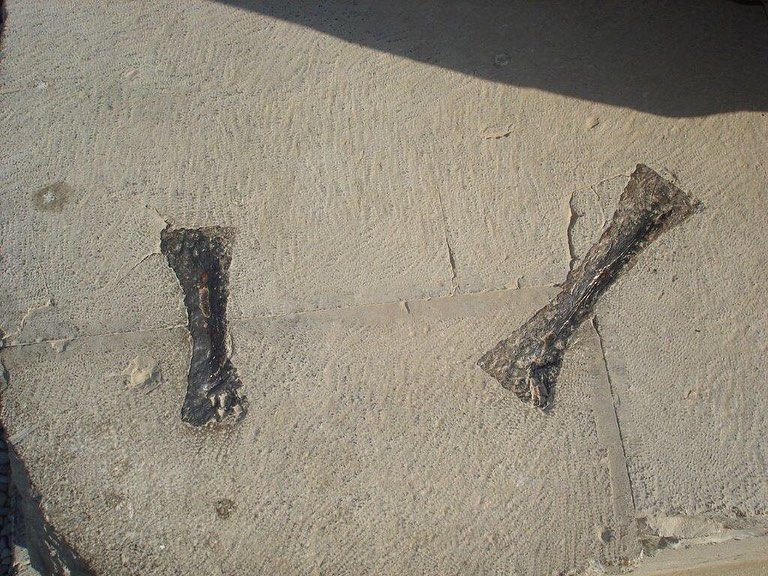
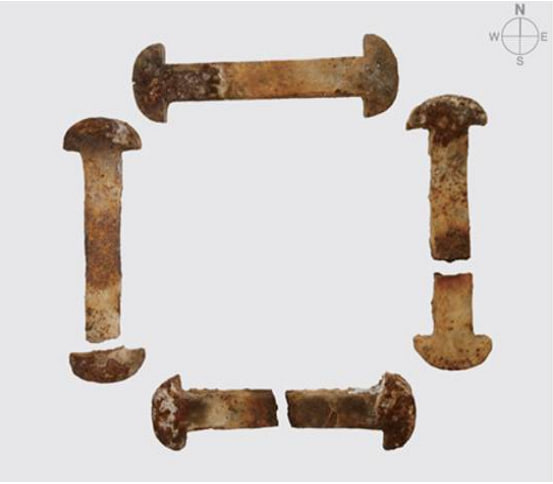
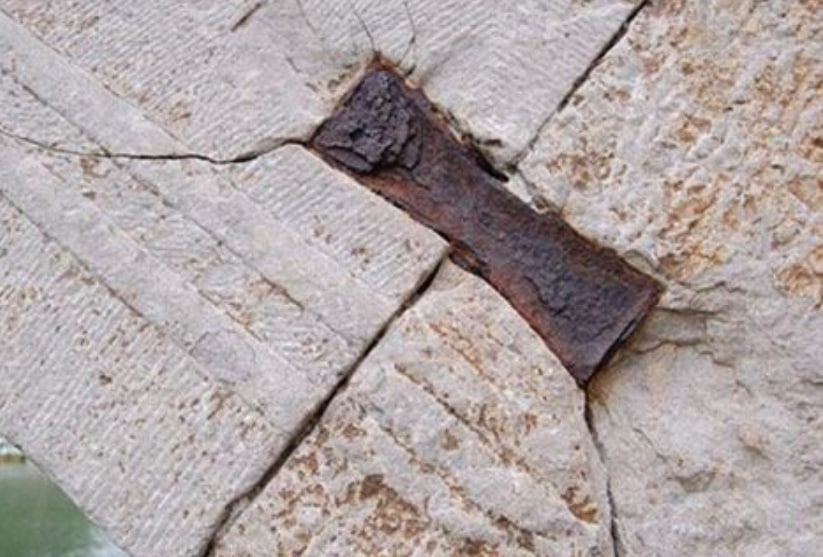
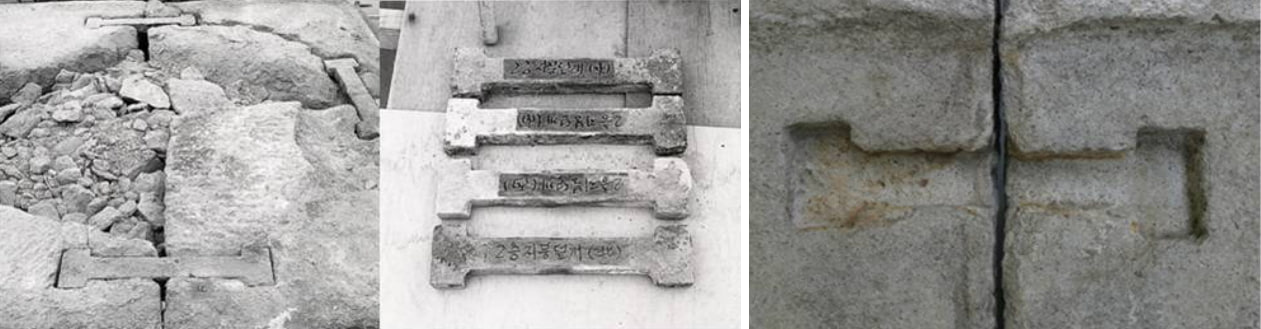
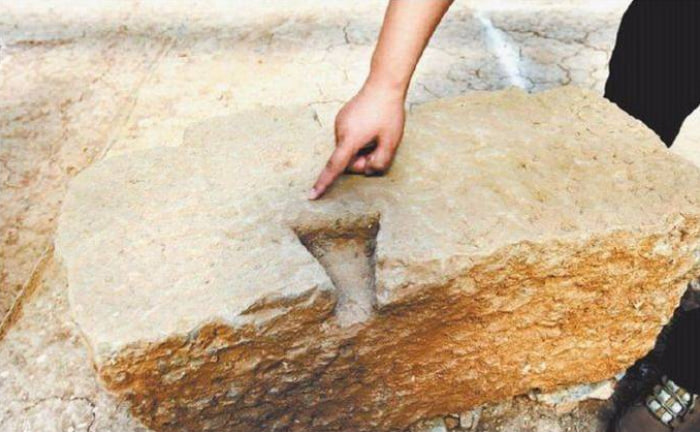
Metallic dovetail clamps are “I-shaped,” “dumbbell-shaped,” or “bow-tie-shaped” devices used to join adjacent stone blocks. These clamps fit into precision-cut grooves and were often secured with materials like molten lead, bronze, or iron. Their advent is closely tied to the rise of dry ashlar masonry, where mortar was not used, making structural reinforcement essential.
Clamp Varieties:
– Shapes: Dovetail, double-T, straight bar, bow-tie, or butterfly.
– Materials: Iron (most common), wood, bronze, stone, lead, and even gold. Modern restorations use steel or titanium for durability.
Purpose and Significance
1. Structural Stability
Clamps provided essential reinforcement, keeping stone blocks locked in place and preventing displacement over time.
2. Adaptation to Mortarless Construction
In dry ashlar masonry, clamps filled the structural gap left by the absence of mortar, ensuring precision and durability.
3. Aesthetic and Technical Precision
By enabling tight, seamless joints, clamps exemplified the unity of art and engineering.
4 . A Symbol of Innovation
These devices reflect a technological evolution in stone manipulation, merging practical engineering with architectural elegance.
Global Distribution and Historical Context
The global use of metallic dovetail clamps is astounding, stretching across diverse cultures and time periods. Their earliest datable examples, from mid-second millennium BCE Egyptian temples, were flat rectangular bars with curved waists, a design now recognized as the dovetail clamp.
Countries Where Metallic Dovetail Clamps Have Been Found
– Africa: Egypt, Ethiopia, Tanzania.
– Asia: Iran, India, Vietnam, Cambodia, Japan, Turkey, Armenia, China, Korea
– Europe: Greece, Italy.
– South America: Bolivia, Peru.
This vast geographical distribution demonstrates either independent innovation or cultural exchanges facilitated by trade and conquest.
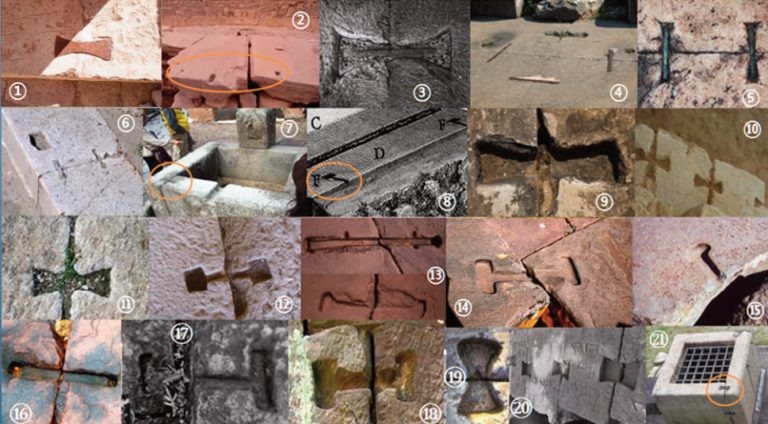
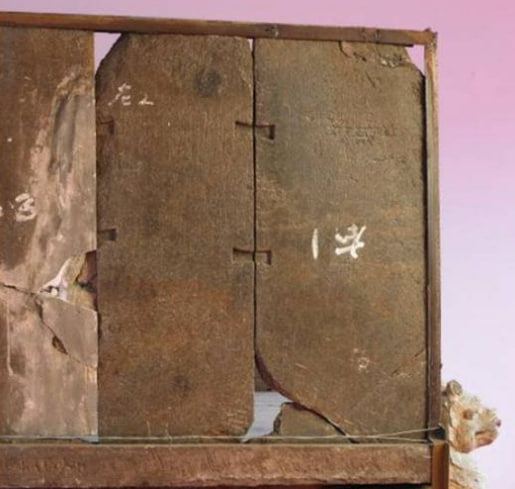
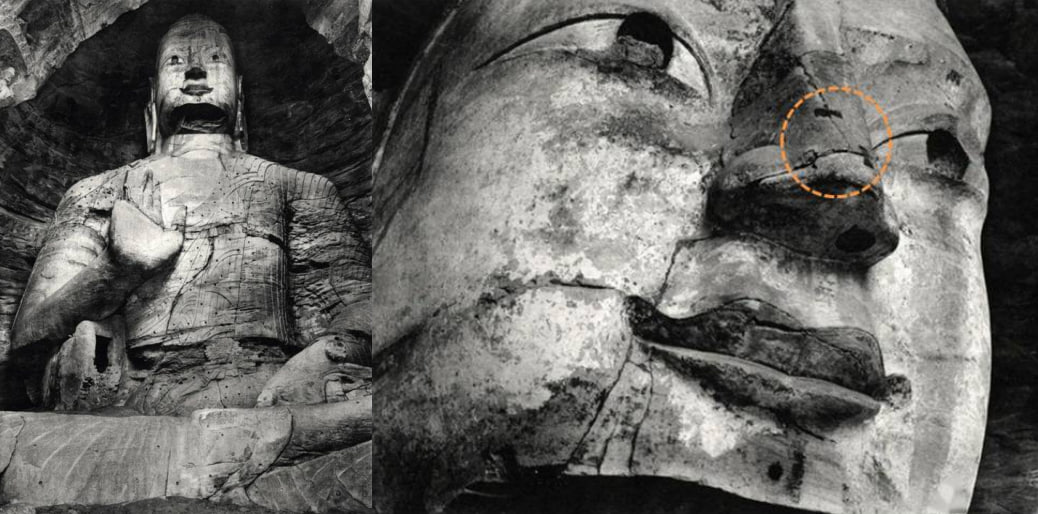
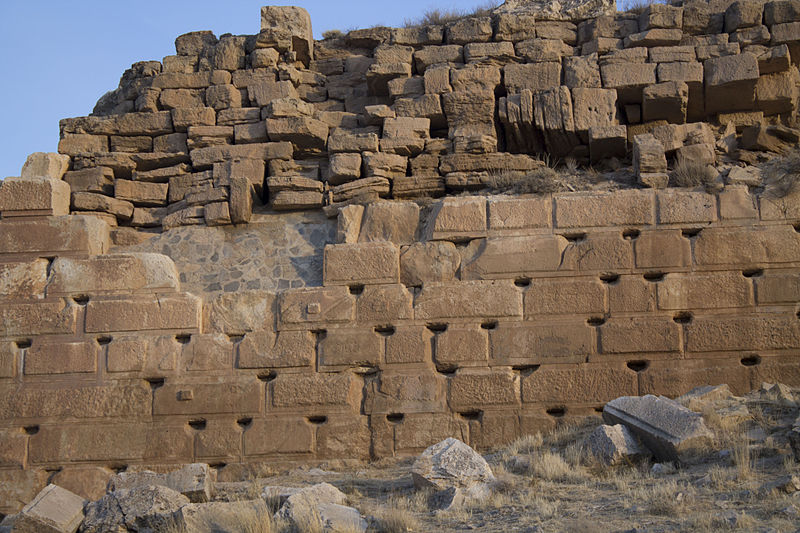
Examples of stone-joint clamps from around the world:
1) Upper Anubis shrine at the Temple of Hatshepsut, Egypt, Deir El-Bahari, c. 1450 BCE;
2) Theatre at the Acropolis, Greece, 5-4th BCE;
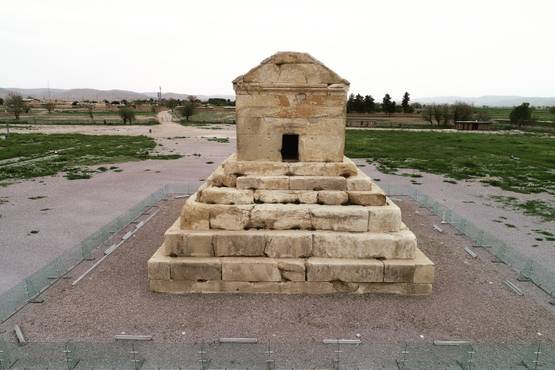
3) Pasagarde, Iran c. 500 BCE;
4) Delphi Temple, Greece, 5th-3rd c. BCE;
5) Oikio Temple, Turkey, mid-4th c. BCE;
6) Roman Forum, Rome, Mid-1st c. BCE; 7) Pompeii, Italy, datable before 79 CE;
8) Aurelian Walls, Rome, 271–275 CE;
9) Artemis Temple, Sardis, Roman Section, 1st-4thc. CE;
10) Tigranakert Roman Ruines, Armenia. 1st c. BCE;
11) Tunisia;
12) Axum, Ethiopia, 3rd-5th c. CE;
13) Puma Punku, Bolivia, pre-Inca;
14) Tiahuanaco, Bolivia, pre-Inca;
15) Tiahuanaco, Bolivia, pre-Inca;
16) Bijamandal Complex, India, pre-13th c. CE;
17) My Son, Vietnam, ca. 10th c. CE;
18) Ankor Wat, Cambodia, ca. 10th c. CE;
19) Angkor Wat, Cambodia, ca. 10th c. CE;
20) Borobudur Indonesia. ca. 9th c. CE; 21) Imperial Palace, Tokyo, Japan, ca. 17th c. CE.
Examples of Use in Ancient Civilizations
Egypt
Metallic clamps were first discovered in Egyptian temples and obelisks, where they reinforced large stone blocks. Bronze and copper clamps showcase their advanced metallurgy.
Iran (Persian Empire)
In Persepolis, metallic clamps held together the grandiose terraces and palaces, embodying Persian architectural mastery.
Greece
The Parthenon and other Greek monuments employed dovetail clamps, with lead poured into the grooves to secure the clamps against corrosion.
Rome
Romans expanded the use of clamps in aqueducts, amphitheaters, and temples, refining the technology to suit their ambitious construction projects.
India and Southeast Asia
Intricate temples in India and monumental sites like Angkor Wat in Cambodia highlight the adoption of clamps for precision and durability.
South America
Stone masonry in Bolivia and Peru, such as at Tiwanaku and Machu Picchu, reveals comparable clamping techniques, although often using stone pegs instead of metal.
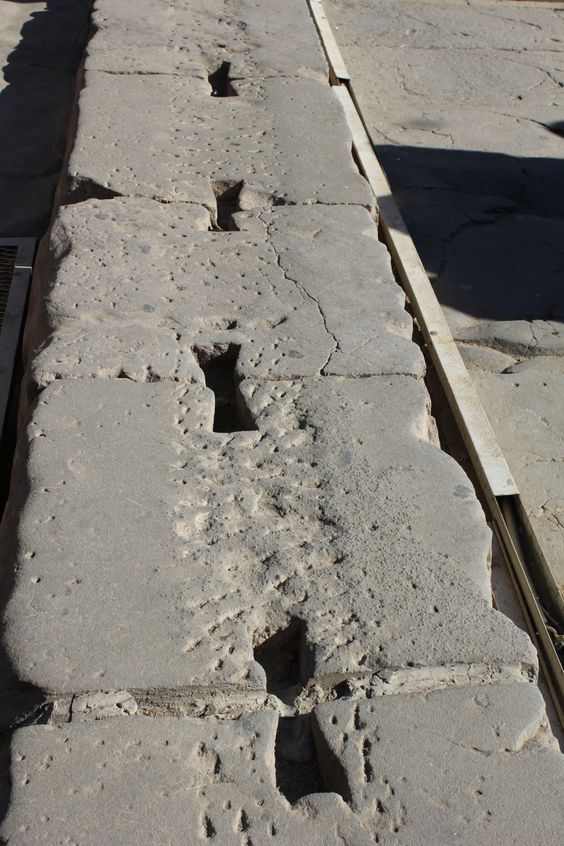
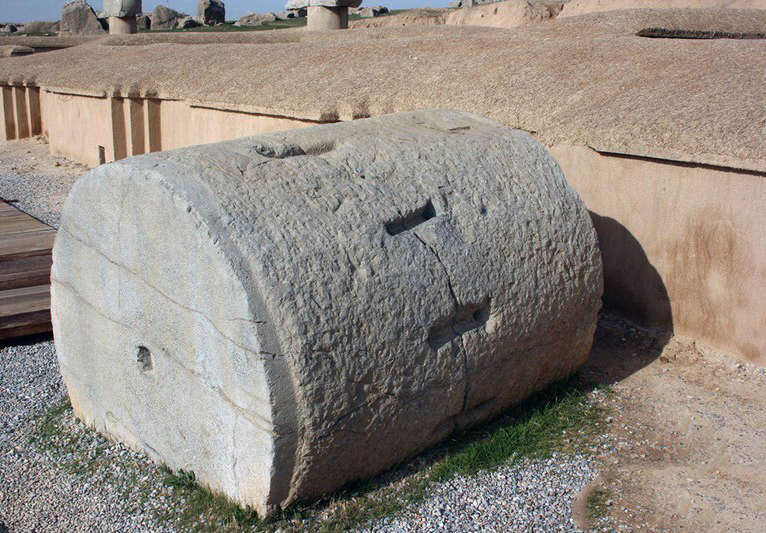
Large dovetail clamps were used in the stone door and window frames of Tachar Palace at Persepolis, securing the joints and enhancing the structural integrity of the building
Challenges in Study and Recognition
Despite their widespread use, metallic clamps remain understudied. Many lie buried and are considered secondary features of monuments, overshadowed by more prominent architectural elements. The craftsmanship required to create both the clamps and the grooves added to their cost, limiting their application to state or religious commissions, such as temples, palaces, and monumental gateways.
Legacy and Modern Applications
The ingenuity behind metallic dovetail clamps provides invaluable lessons for modern architecture and engineering. Their role in creating durable, aesthetically refined structures continues to inspire techniques in restoration and contemporary design.
For travelers, visiting iconic sites like the Parthenon in Greece, Persepolis or Pasargadae in Iran, or Machu Picchu in Peru reveals the timeless brilliance of this ancient innovation, highlighting humanity’s shared pursuit of architectural perfection.

Comment (0)