5000-Year-Old Artificial Eye Found in Iran: All You Need to Know About the Oldest Known Prosthesis

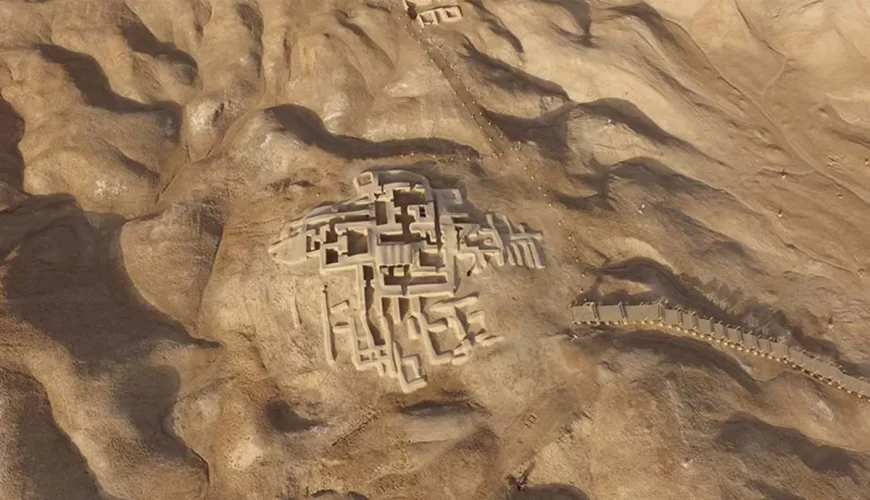
The Fascinating Finds of Shahr-e Sukhteh The Burnt City (Shahr-e Sukhteh), a prehistoric site located near Zabol in southeastern Iran, continues to astonish archaeologists with its remarkable discoveries. Among its most extraordinary findings is a 5,000-year-old prosthetic eye, shedding light on the advanced craftsmanship, medical knowledge, and cultural sophistication of the civilization that thrived there. […]
Read More

Dovetail Clamps: Ancient Engineering Marvels Across Civilizations

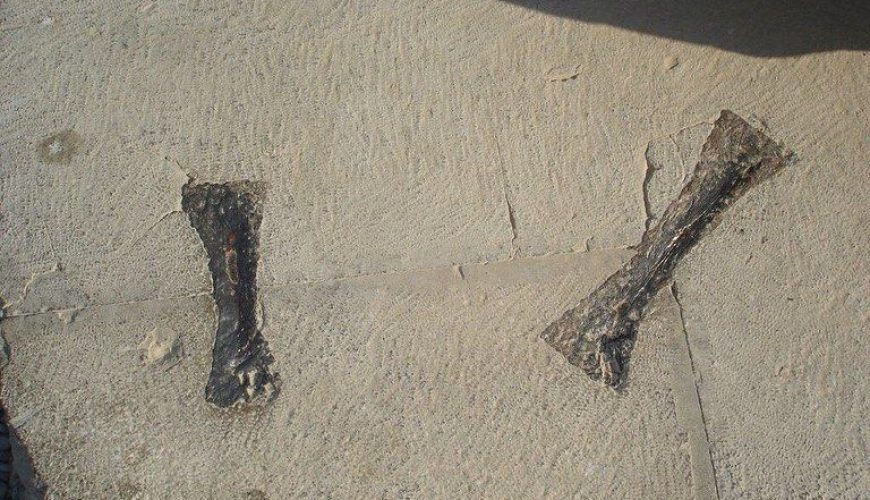
The Hidden Construction Secret Linking Ancient Empires The use of metallic dovetail clamps, also known as “keystone cut clamps,” showcases the engineering brilliance and creativity of ancient civilizations. These clamps, vital for binding stone blocks in masonry construction, represent a groundbreaking advancement in structural engineering. Found in monuments and structures across Egypt, Iran, Greece, China, […]

Read More

The Scythians: Warriors of the Steppes and Guardians of Nomadic Culture

Overview The Scythians, also known as Saka سکا 𐎿𐎣 in Old Persian and Σκύθης in Greek, were a formidable group of Iranian-speaking nomadic tribes that ruled over vast stretches of the Eurasian steppe, modern-day Ukraine and Southern Russia. Their influence extended from Central Asia to parts of Eastern Europe, as well as into present-day Iran […]

Read More

Discovering Cappadocia: A Journey Through Turkey’s Geological Marvel

The Etymology of Cappadocia, unraveling the Roots The name “Cappadocia” has its roots in ancient history and is derived from the Old Persian word Katpatuka, which means “the land of beautiful horses.” This term was used by the Persians to refer to the region that encompasses present-day Cappadocia in central Turkey. The Greek name “Cappadocia” […]

Read More

Discover Hagia Sophia: A Blend of Byzantine Brilliance and Islamic Heritage in Istanbul

Historical Background of the Hagia Sophia Built in 537 AD under Byzantine Emperor Justinian I, the Hagia Sophia was initially a cathedral, the largest of its time, symbolizing the heart of Orthodox Christianity for nearly 1,000 years. In 1453, following the Ottoman conquest of Constantinople, it was converted into a mosque by Sultan Mehmed II. […]

Read More

Ulugh Beg, Astronomer Prince and the Scientific Legacy of the Timurid Empire

Introduction Ulugh Beg (1394–1449), a Timurid prince, was one of the most notable figures in the history of medieval science. Known as a statesman, scholar, and astronomer, his contributions to the field of astronomy during the Islamic Golden Age significantly shaped the development of both Islamic and Western science. His construction of the observatory in […]

Read More

The Shushtar Historical Hydraulic System Unveiled

Overview The Shushtar Historical Hydraulic System is an ancient engineering marvel located in Shushtar, Iran. Recognized as a UNESCO World Heritage site in 2009, this system dates back to the Sassanian era (approximately 224-651 AD) and showcases advanced techniques in hydraulic engineering. Design and Structure: The Shushtar Hydraulic System includes a series of canals, dams, […]

Read More

Izadkhast Castle: Your Guide to Iran’s Historic Fortress

Introduction Izadkhast Castle, a hidden gem of Iranian history, is one  fascinating structures in the country. Located in the Fars Province, about 135 kilometers south of Isfahan, this majestic fortress is perched on a high plateau, offering breathtaking views of the surrounding landscape. The castle is renowned for its unique combination of Sassanid, Islamic, and […]

Read More

Gahanbar: The Zoroastrian Festivals

What is Gahanbar? Gahanbar, literally meaning “time of fruition,” is a series of six ancient Zoroastrian festivals that correspond to the six periods of creation as described in Zoroastrian cosmology. Each Gahanbar is celebrated over five days and commemorates a specific aspect of creation, such as the sky, water, or earth. History These festivals are […]

Read More

Unveiling Priceless Khiva: A Living Museum of Architecture

Overview Khiva is a historic city in Uzbekistan, renowned for its rich cultural heritage and architectural beauty. Here’s an overview of its significance, history, and attractions. Khiva, located in the Khorazm Region of Uzbekistan, is a district-level city with a population of approximately 93,000. It is often referred to as a “museum city” due to […]

Read More