
Introduction
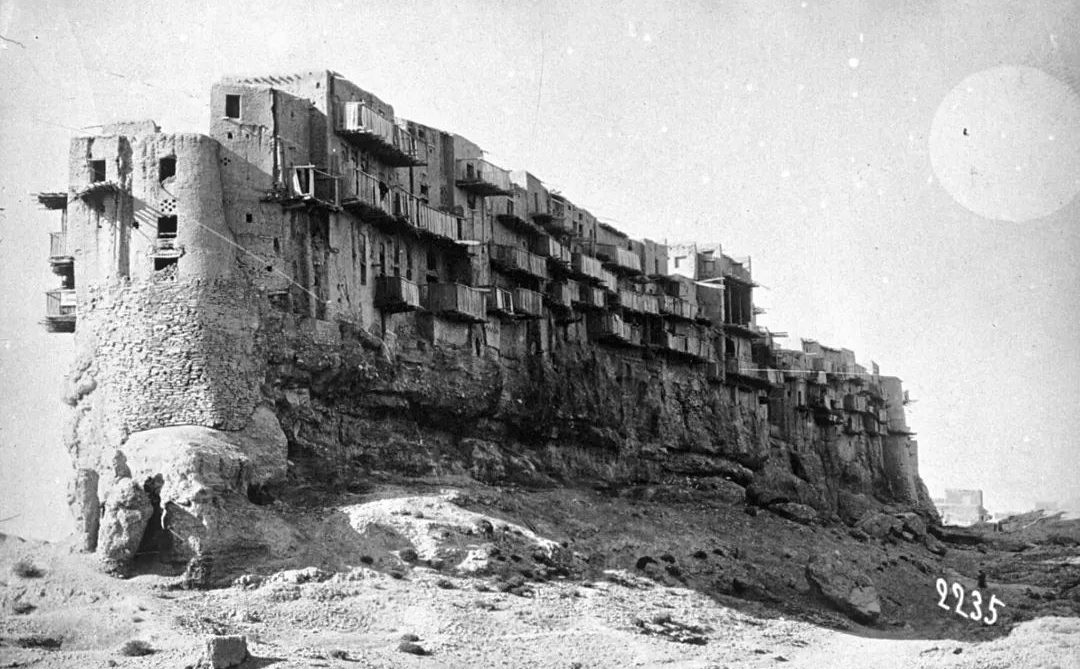
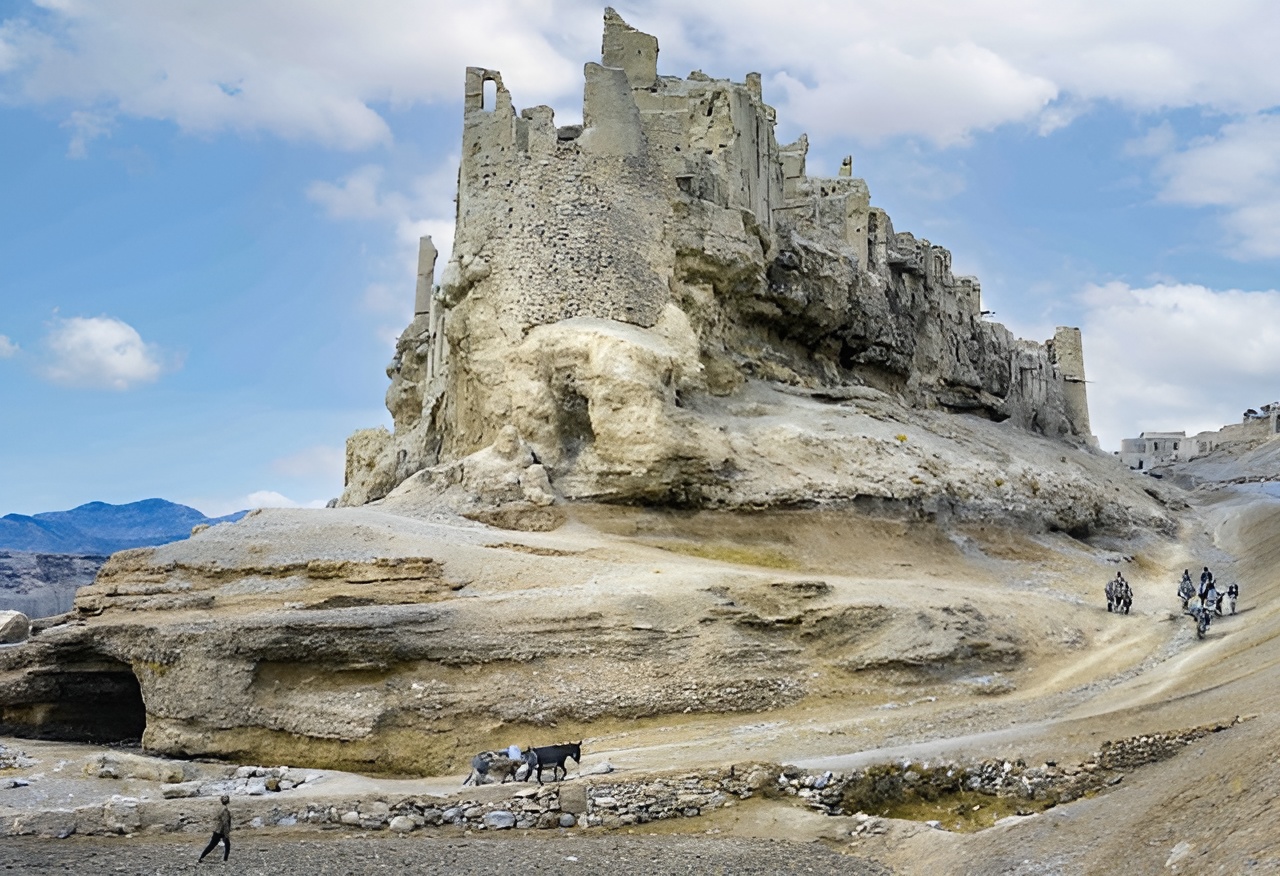
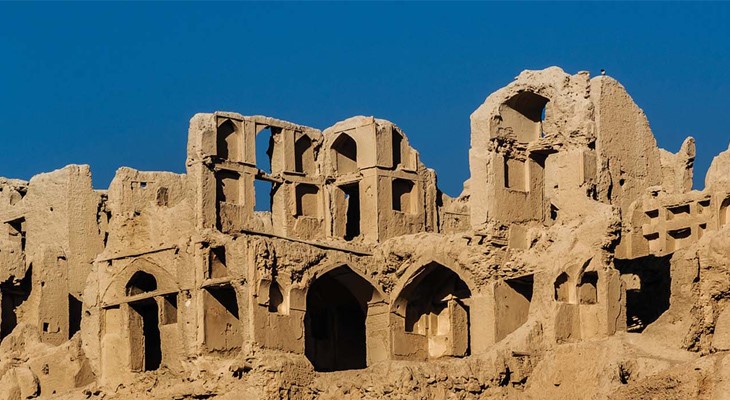
Izadkhast Castle, a hidden gem of Iranian history, is one fascinating structures in the country. Located in the Fars Province, about 135 kilometers south of Isfahan, this majestic fortress is perched on a high plateau, offering breathtaking views of the surrounding landscape. The castle is renowned for its unique combination of Sassanid, Islamic, and Safavid architecture, making it a must-see for history enthusiasts and architecture lovers alike.
A Glimpse into the History of Izadkhast Castle
Izadkhast Castle’s history dates back to the Sassanid era (224–651 AD), and it has undergone several phases of expansion and reconstruction throughout the Islamic and Safavid periods. The fortress served as a strategic military stronghold, providing defense against invaders and acting as a refuge for the local population during times of war. In addition to its military significance, the castle also housed residential buildings, administrative centers, and even a caravanserai, indicating its multifaceted role in the region’s political and economic life.
The castle’s peak during the Safavid era (1501–1736 AD) saw extensive renovations and additions, enhancing its architectural and defensive capabilities. Its strategic position along the ancient Silk Road made it a vital point of control for merchants and travelers.
Architectural Features
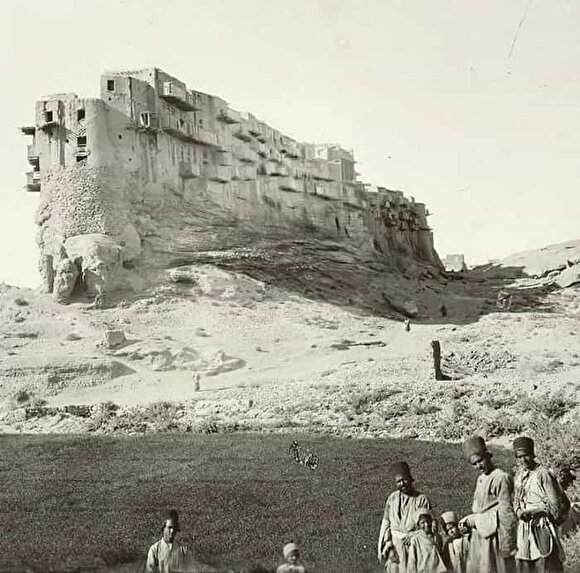
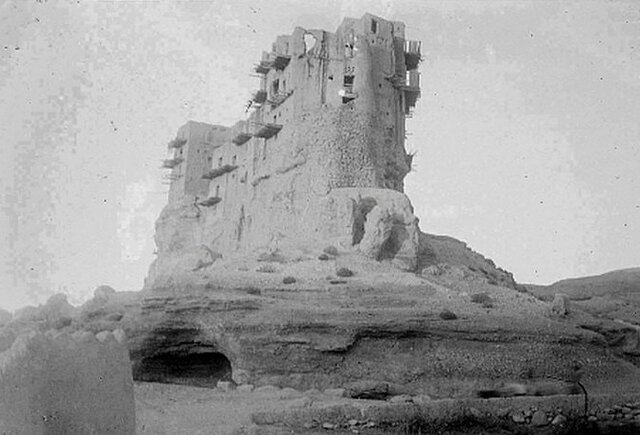
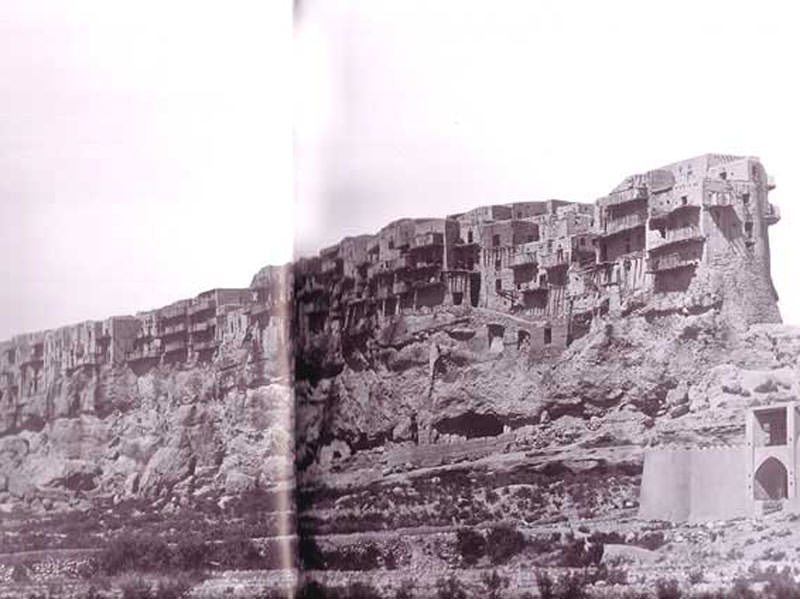
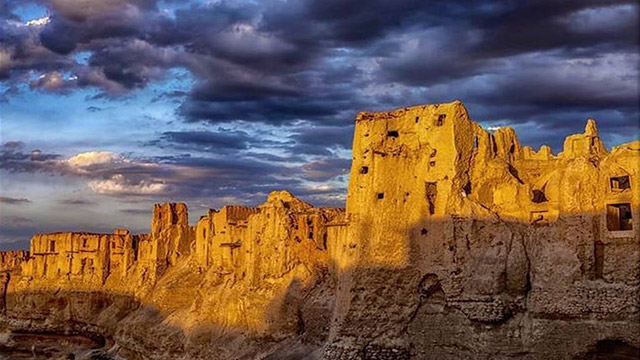
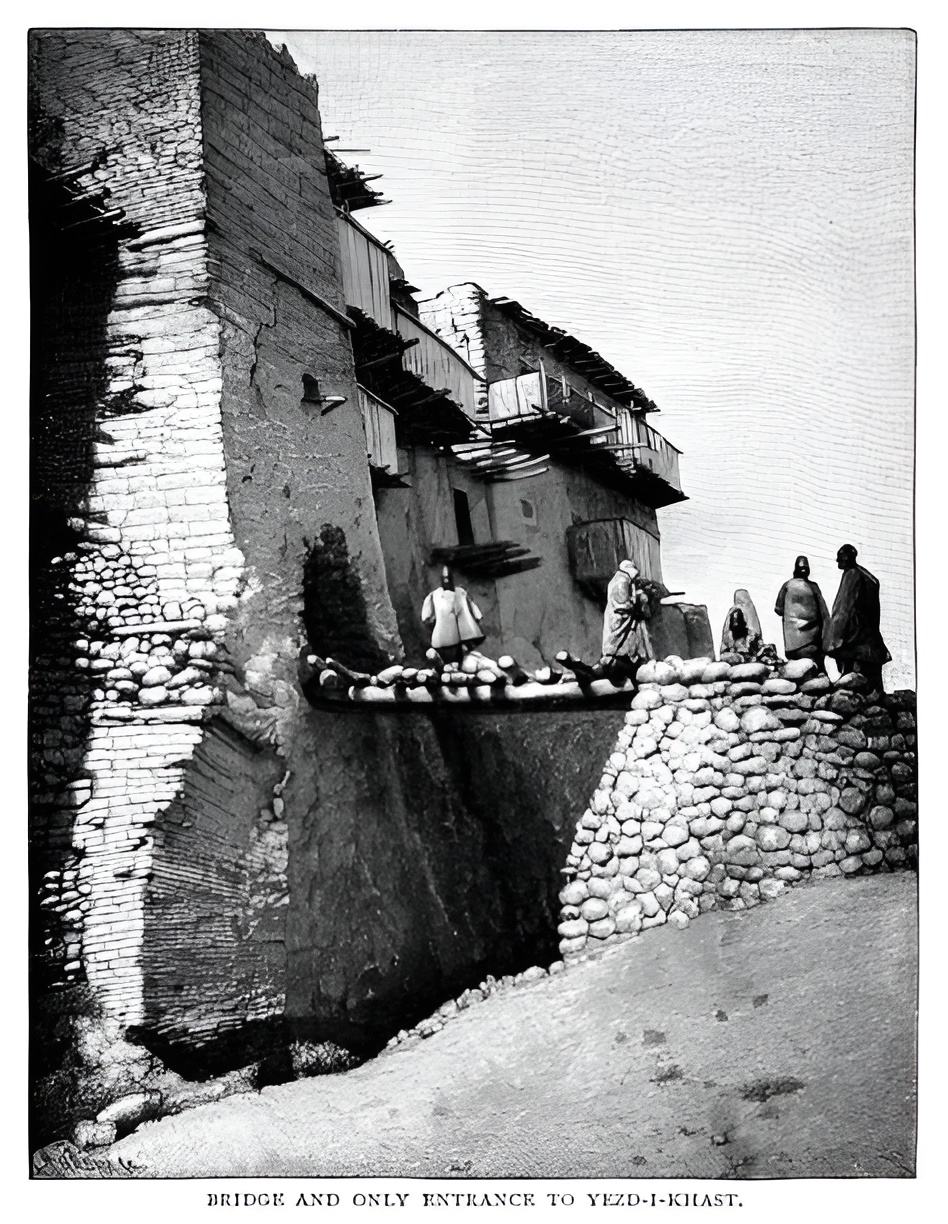
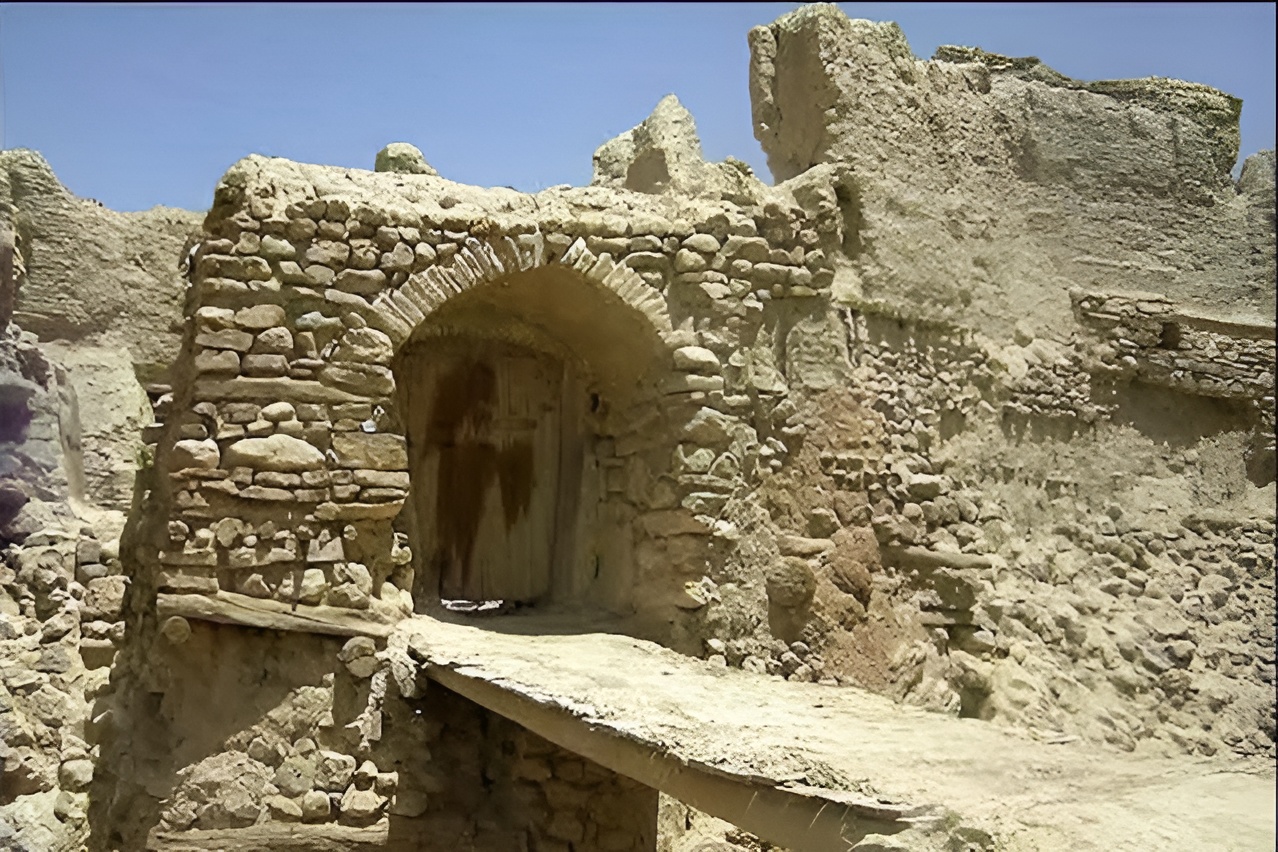
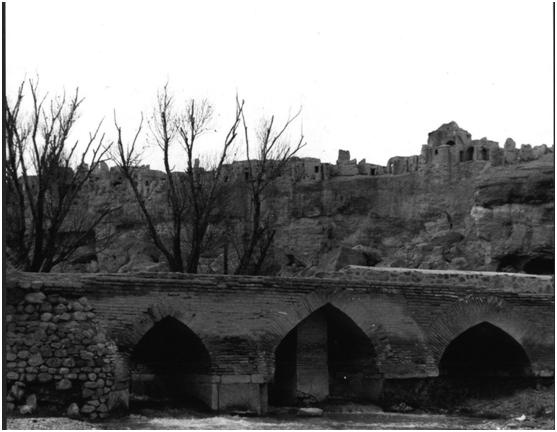
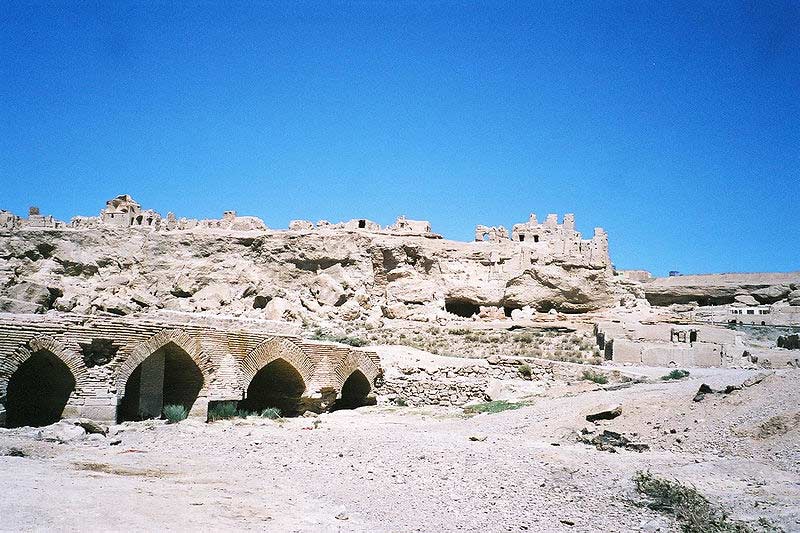
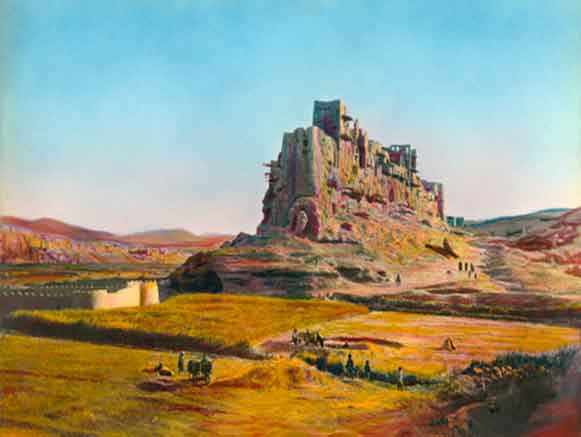
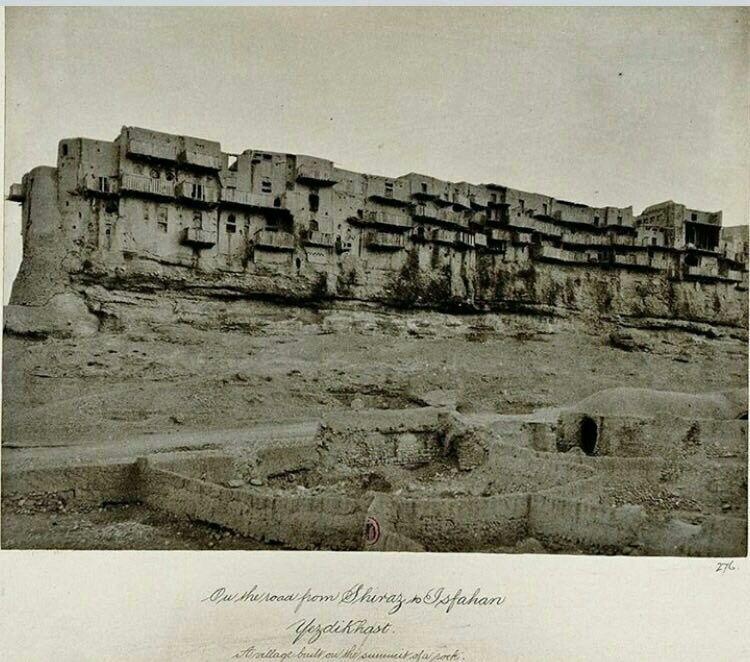
Izadkhast Castle is an exceptional example of Persian fortress design, characterized by its adaptation to the rocky landscape. The castle is built on a natural rock formation that rises dramatically from the surrounding plains, giving it a fortified and impenetrable appearance. The structure is divided into three main sections: the castle itself, a caravanserai, and a Safavid-era bridge.
Dimensions and Layout
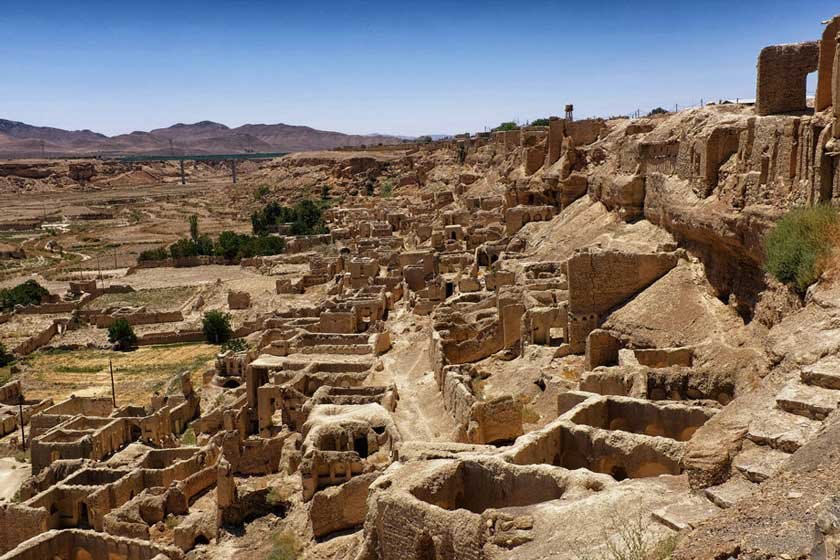
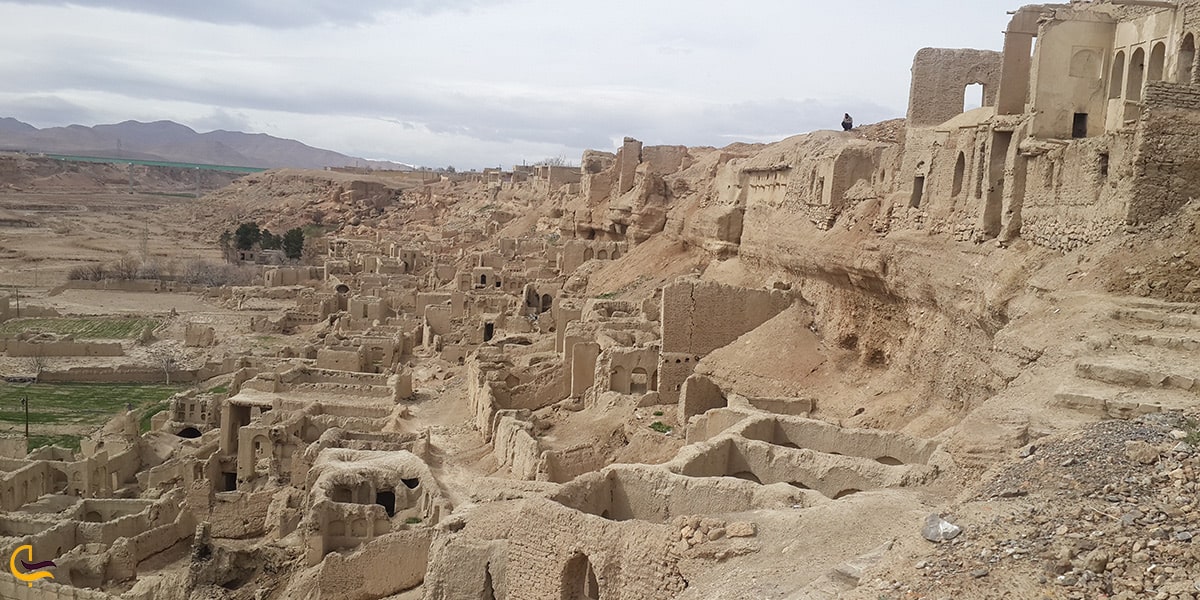
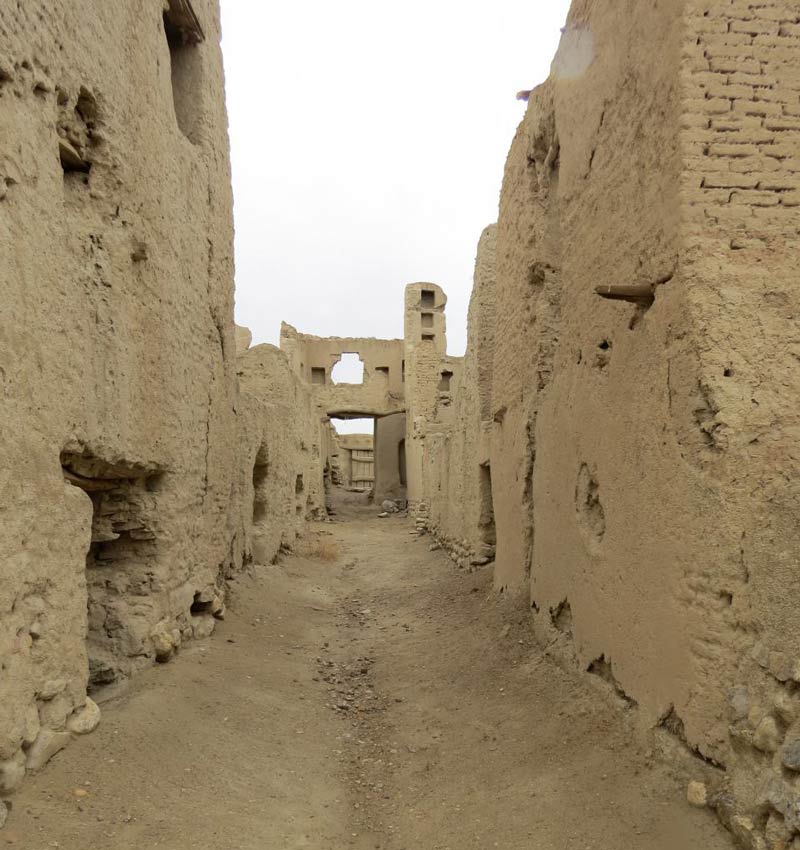
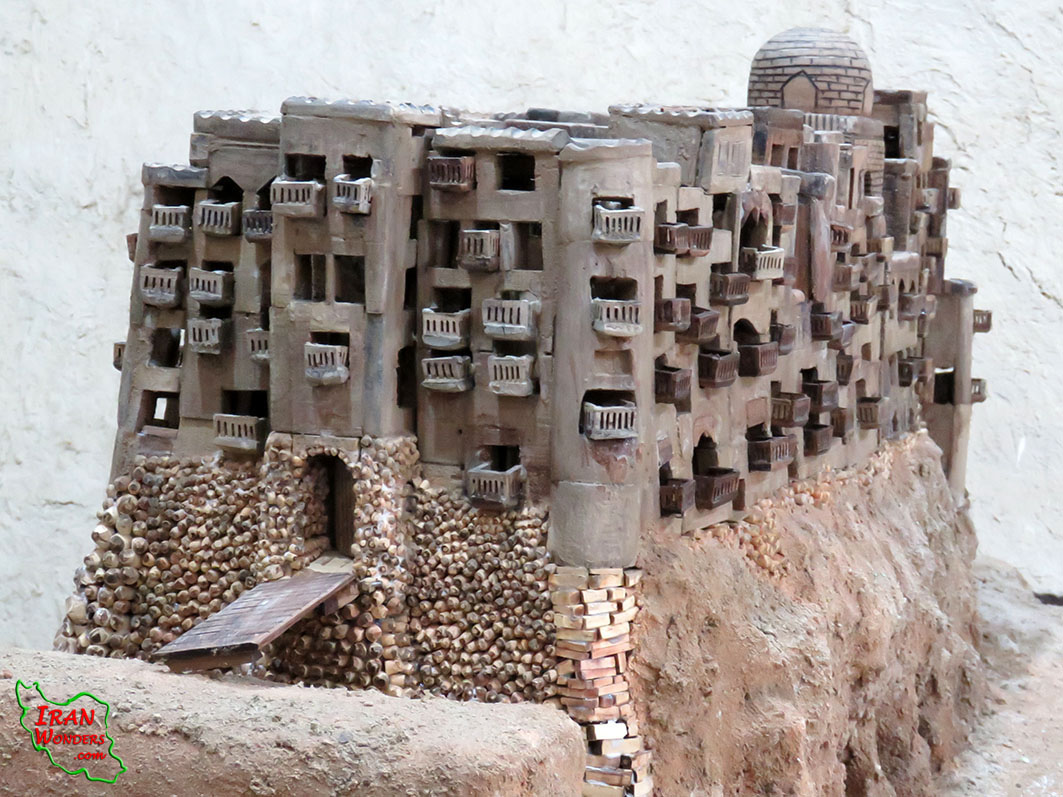
The castle complex spans an area of approximately 6 hectares, with the main castle occupying a significant portion of this space. The castle is built on a high bedrock, the walls of the fortress reach up to 30 meters in height, providing both protection and an imposing visual presence. The interior layout includes narrow alleys, multi-story houses, and defense towers, all constructed in harmony with the natural topography.
Materials Used
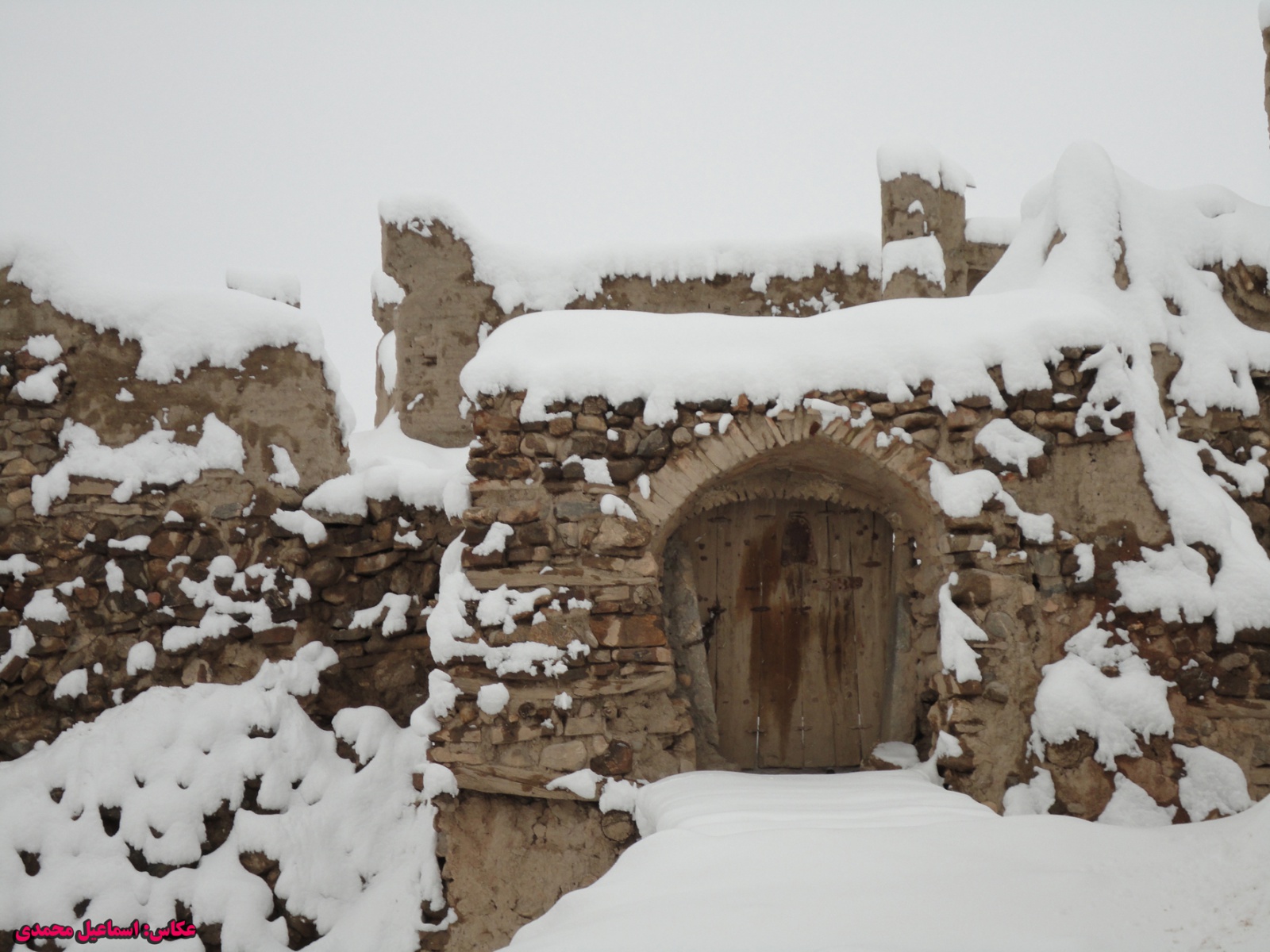
The construction of Izadkhast Castle utilized locally available materials such as stone, clay, and adobe, which were reinforced with plaster. The use of mudbrick is particularly noteworthy, as it reflects the traditional building techniques of the region. The castle’s defensive walls were further strengthened by layers of stone to withstand attacks. Wooden beams and brickwork were also incorporated into the design, especially in the later Safavid modifications.
Functions and Uses
The primary function of Izadkhast Castle was as a military fortress, offering refuge during invasions. However, its role extended beyond defense. The castle served as a residential area for the local elite, with homes, workshops, and religious sites all contained within its walls. The caravanserai located nearby was an essential stop for travelers and traders along the Silk Road, providing accommodation and safety.
The castle was a self-sufficient complex, featuring water storage facilities, granaries, and other provisions to support the community during sieges. Its layered construction, with homes and shops built one on top of the other, allowed for efficient use of space and added to its defensive advantages.
Similar Buildings and Comparisons
Izadkhast Castle shares similarities with other historic fortresses in Iran, such as Bam Citadel and Rayen Castle. Like Izadkhast, these fortresses were built using adobe and mudbrick, and they served both defensive and residential purposes. However, Izadkhast is unique in its integration of Sassanid, Islamic, and Safavid architectural elements, as well as its remarkable location atop a rocky outcrop, which distinguishes it from many other castles.
Strategic Location
Izadkhast Castle’s location is key to its historical significance. Situated between Isfahan and Shiraz, two of Iran’s most important cultural and political centers, it commanded a critical position on ancient trade routes. Its proximity to the Silk Road meant that it played a crucial role in controlling the flow of goods and travelers, contributing to the economic prosperity of the region.
Conclusion
Izadkhast Castle is not only a symbol of Iran’s architectural and cultural heritage but also a testament to the ingenuity of Persian engineering and urban planning. Its strategic location, unique design, and long-standing historical significance make it a destination that captivates both historians and tourists.
Plan Your Visit with TravelSerai
If you’re interested in exploring the historic Izadkhast Castle and discovering the other wonders of Iran, contact TravelSerai for a personalized, tailor-made itinerary. Let us help you immerse yourself in the rich history and vibrant culture of Iran while visiting this incredible monument and more.

Comment (0)