
Introduction
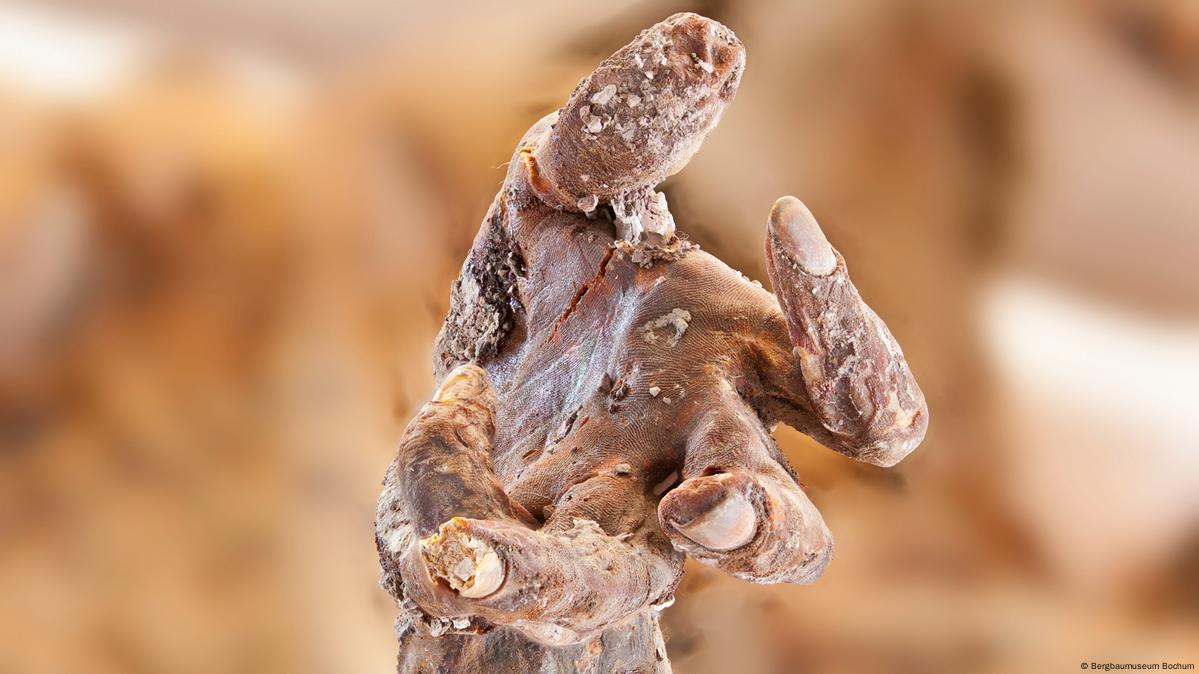
In 1994, commercial salt mining operations in the Chehrabad Salt Mine, located in northwestern Iran, unearthed an extraordinary archaeological find—the remains of a mummified individual, later known as the first “Saltman.” This discovery marked the beginning of a series of revelations that provide a rare glimpse into the lives, diets, and deaths of ancient Persian miners. Alongside these mummified remains, numerous artifacts such as iron knives, textiles, and a gold earring were recovered, underscoring the site’s significance.
Subsequent discoveries between 1993 and 2010 revealed the remains of at least eight individuals, preserved naturally by the unique conditions within the salt mine. Dating to the Achaemenid (550–330 BC) and Sassanid (3rd–7th century AD) periods, these Saltmen are an invaluable resource for understanding ancient Persian life, mining practices, and material culture. They offer an extraordinary window into the hazards faced by miners and the technology and resources of their time.
Key Archaeological Insights,
Unique Location and Preservation
The Chehrabad Salt Mine, also known as Douzlākh, is located 75 kilometers northwest of Zanjan city, near Hamzelou village. Situated at an elevation of 1,350 meters above sea level, the mine spans a 20-hectare salt dome. This environment, rich in natural salt deposits, created the perfect conditions for preserving human remains and artifacts over millennia.
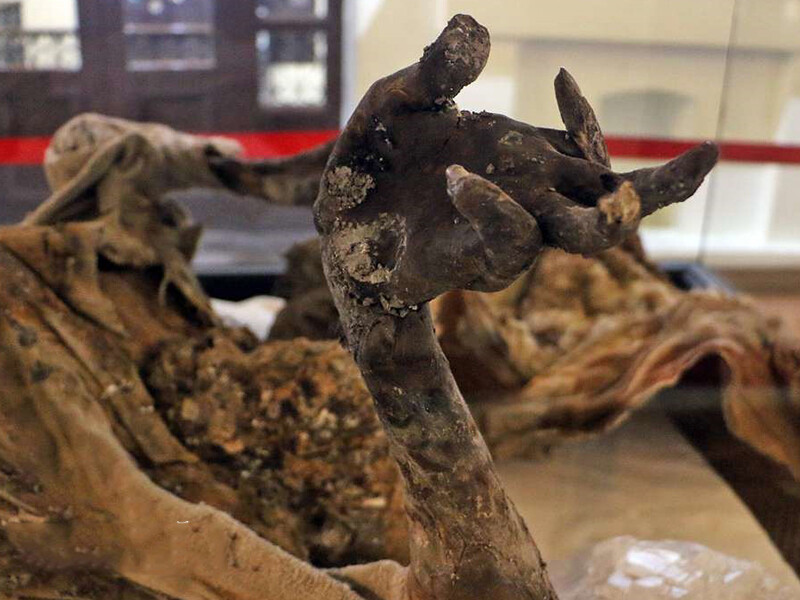
The mummies’ soft tissues and organs were exceptionally well-preserved, albeit to varying degrees, due to differences in burial conditions within the mine. These remains provide a rare opportunity to study ancient Persian miners, their diets, their working conditions, and their tools of trade.
The Saltmen: Individual Discoveries and Artifacts
SM1: The First Discovery (1993)
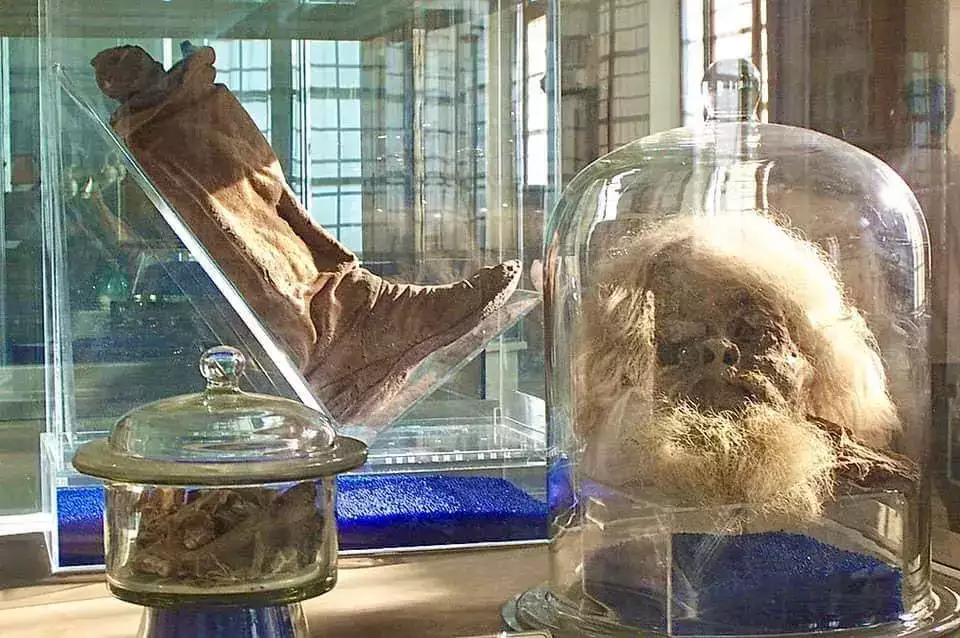
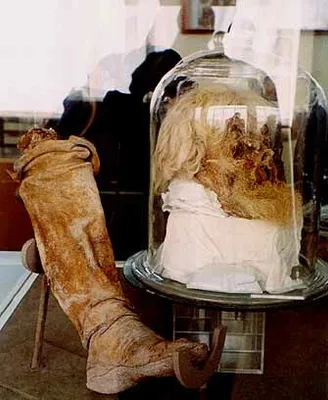
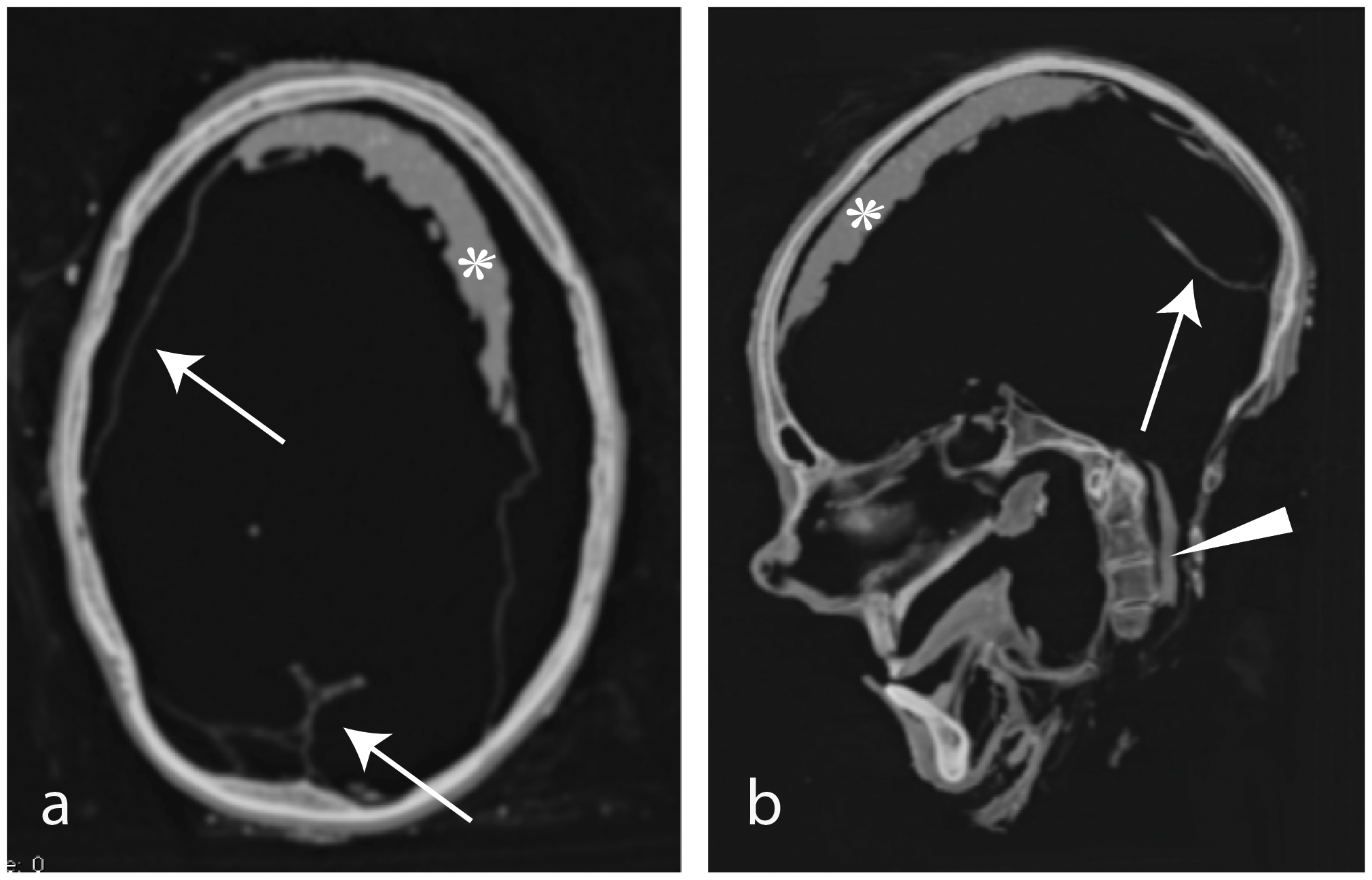
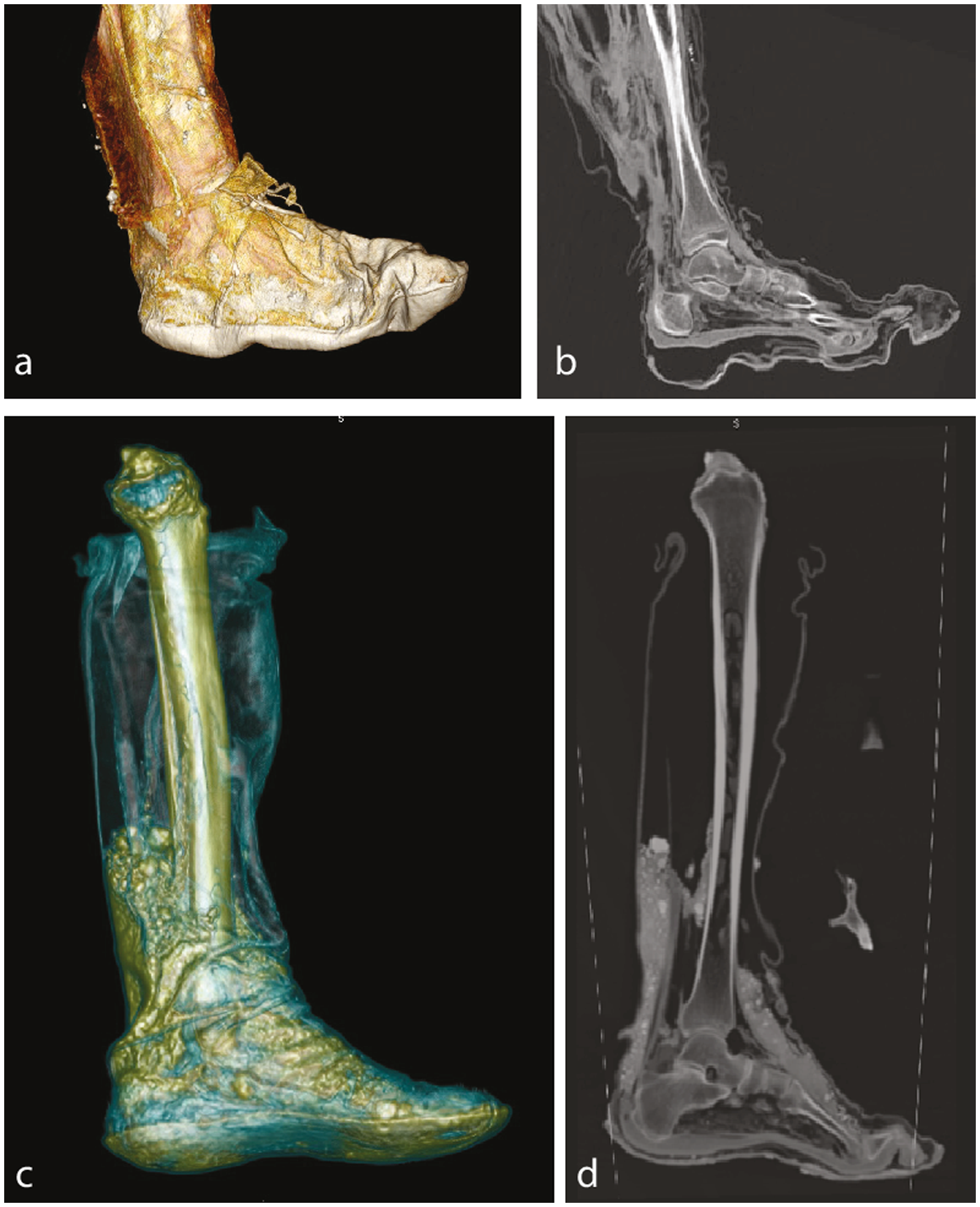
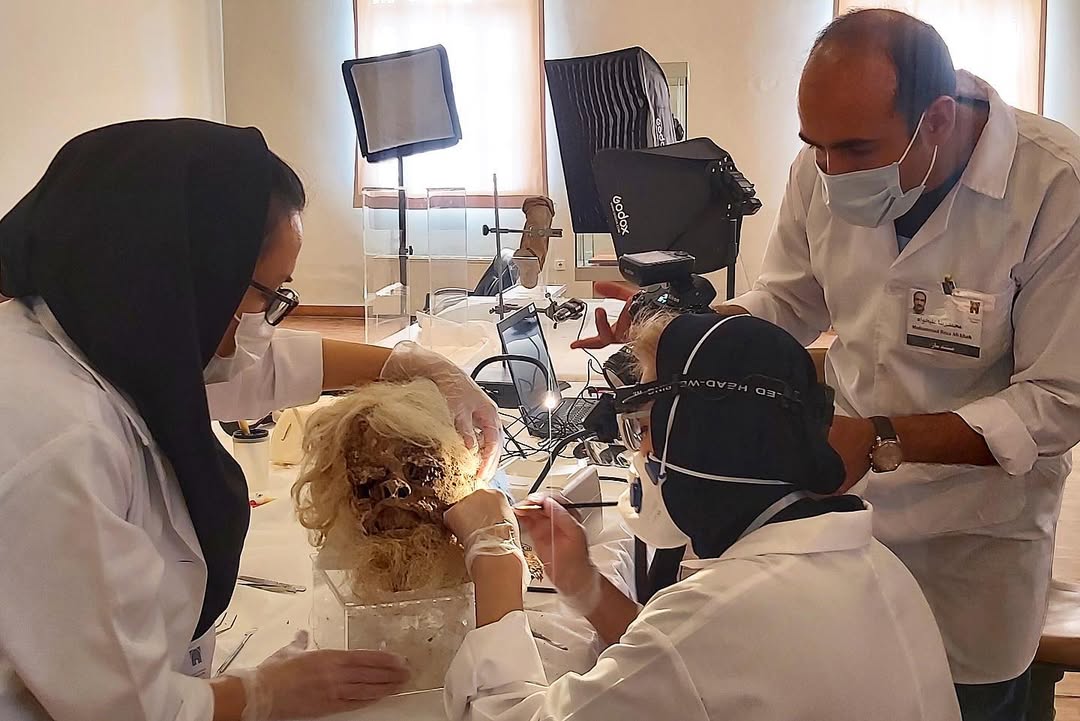
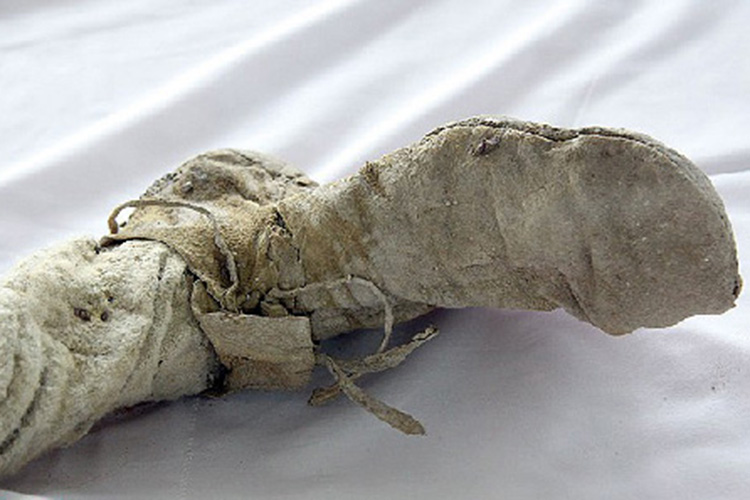
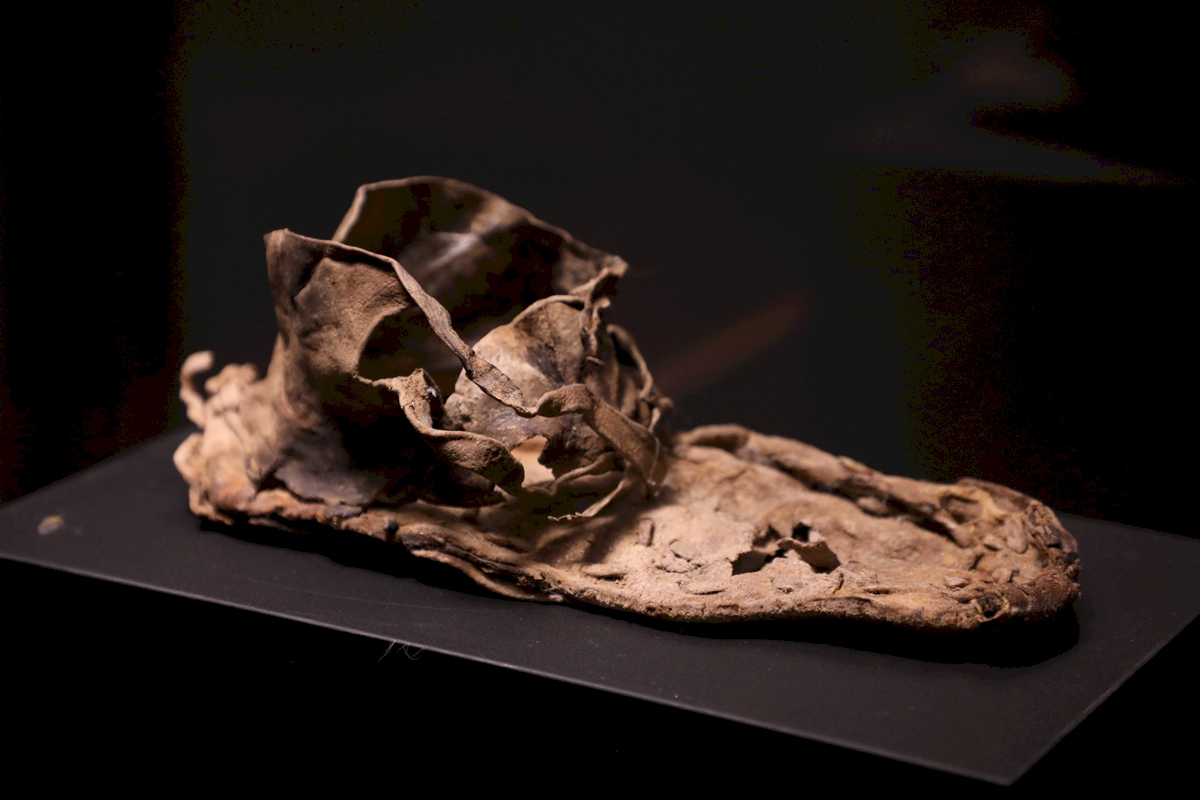
Description: Discovered during mining activities, SM1 consisted of a mummified head with long hair and a beard. A gold earring was found in the left ear, and a lower leg encased in a well-preserved leather boot was located nearby.
Dating: Radiocarbon analysis placed SM1 in the early Sassanian period (220–390 AD).
Significance: As the first Saltman discovered, SM1 became a focal point for further research. The leather boot and gold earring provide insights into the clothing and personal adornments of ancient miners.
Current Location: Exhibited in the National Museum of Iran, Tehran.
SM2: A Sassanid Miner (2004)
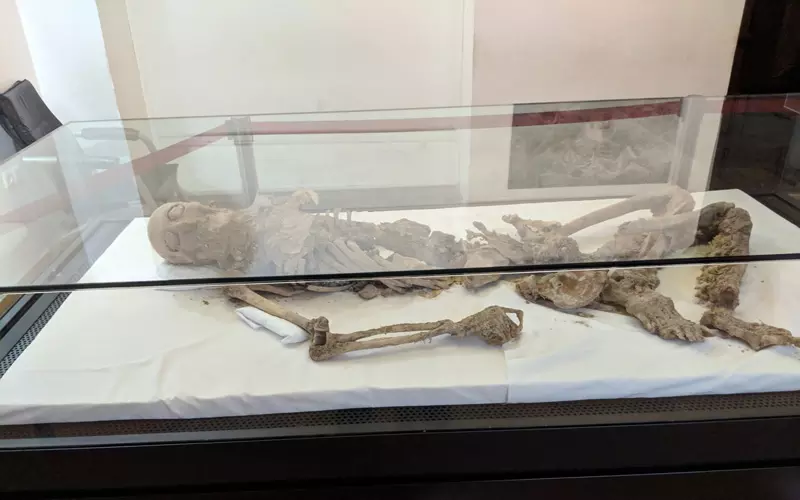
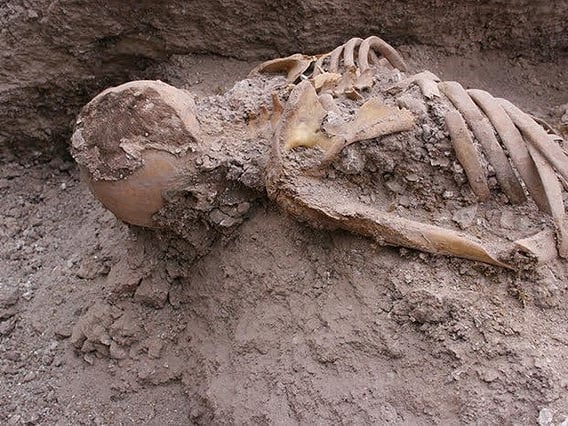
Description: Found mostly skeletonized, SM2 retained some soft tissues, including hair and a beard. Fragments of clothing were also recovered.
Dating: Estimated to the later Sassanid period (430–570 AD).
Significance: SM2’s preserved features contribute to understanding the physical characteristics of Sassanid miners. His partial remains reveal the standard attire and tools used during this era.
SM3: Victim of Compression (2004)
Description: Discovered under a large salt block, SM3 was heavily compressed and mostly skeletonized. Radiological findings suggest this individual experienced significant trauma.
Dating: Achaemenid period (410–385 BC).
Significance: SM3’s preservation provides evidence of mining accidents during the Achaemenid period. The injuries observed offer a chilling reminder of the dangers faced by miners.
SM4: The Best-Preserved Mummy (2004/5)
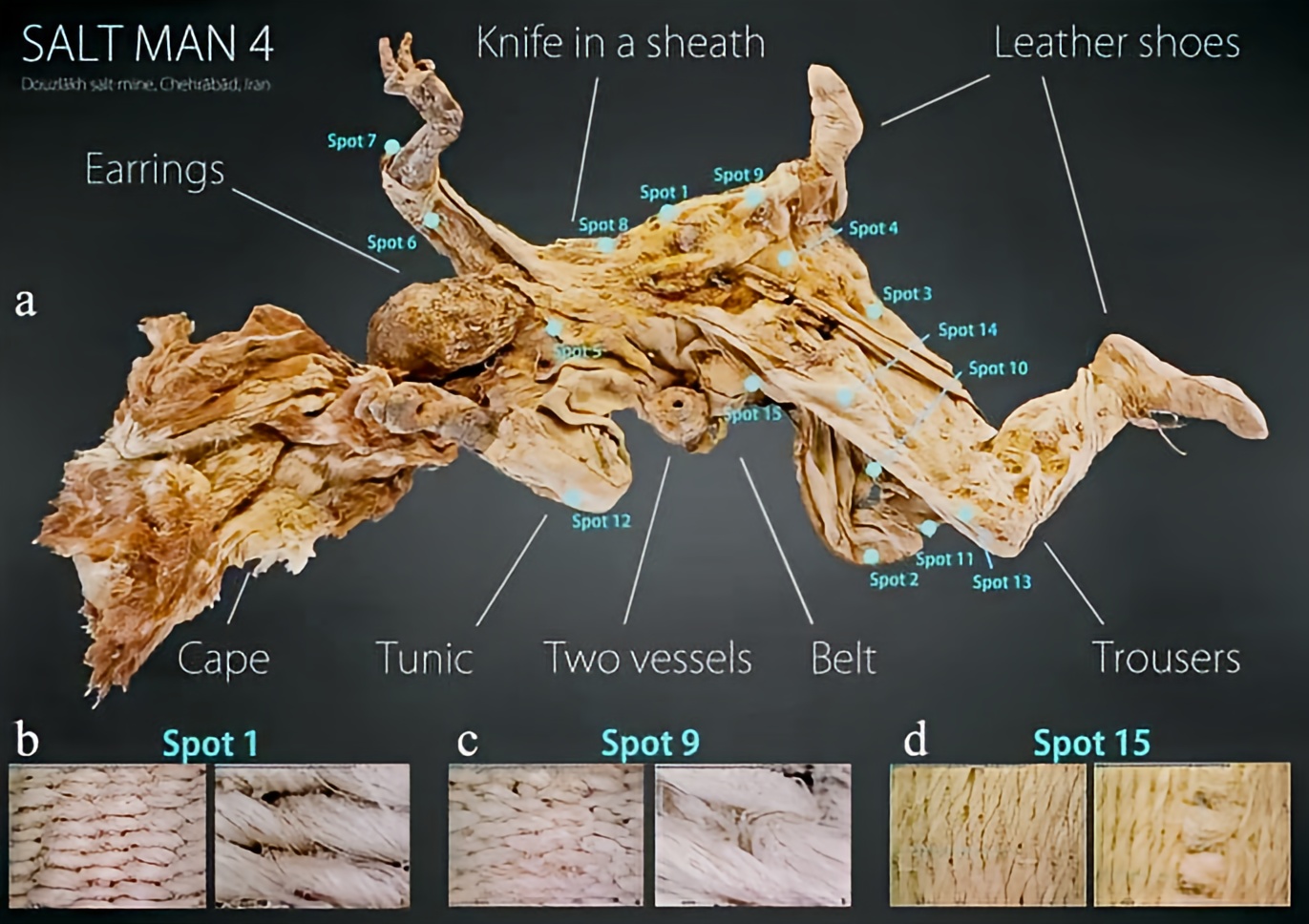
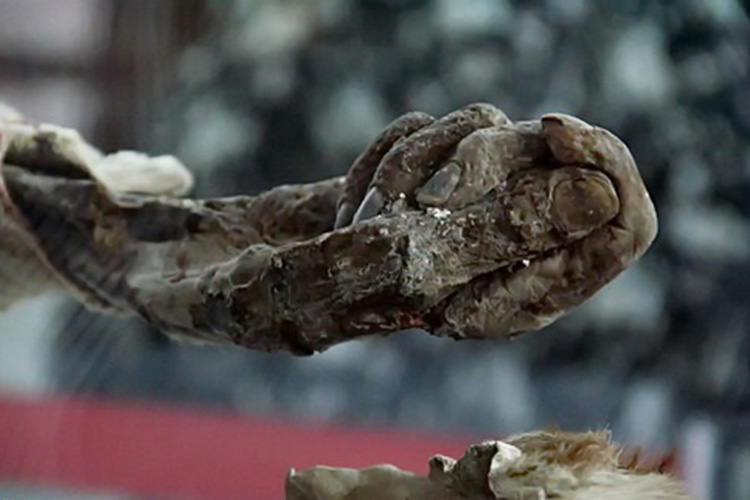
Description: SM4, an adolescent approximately 15 years old, was the best-preserved of all the Saltmen. He wore ankle-high leather shoes with a sole, distinguishing his footwear from the taller boots of SM1.
Dating: Achaemenid period.
Significance: SM4’s remains offer a unique opportunity to study the diet and lifestyle of young miners during the Achaemenid era. His age raises questions about the labor practices involving younger individuals in mining activities.
SM5: An Older Miner (2005)
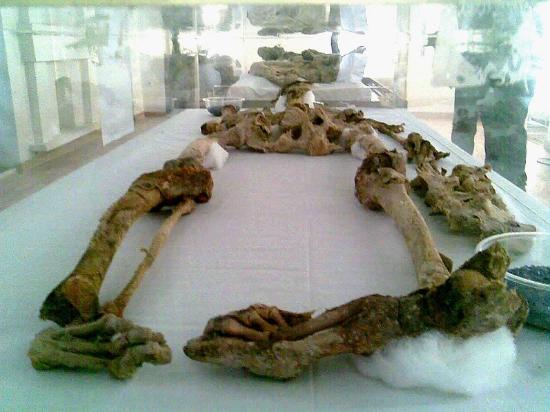
Description: SM5 was largely skeletonized, but soft tissue remained on the arms, legs, and thorax. Fragments of his clothing were also preserved.
Dating: Achaemenid period (730–380 BC).
Significance: Estimated to be between 45 and 49 years old, SM5’s remains provide insights into the working lives, longevity, and physical toll of ancient miners. His advanced age for the time suggests a level of resilience and experience among miners.
SM6: A Fragmented Discovery (2010)
Description: Consisting of a cranium with multiple fractures and part of a pelvis, SM6 was one of the last Saltmen discovered.
Dating: Sassanid period (430–620 AD).
Significance: SM6’s fractured skull suggests a mining accident or collapse led to his death. The injuries highlight the perils associated with salt mining in ancient Persia.
Chehrabad (Douzlakh) Salt Mine
Archaeological Museum of Zanjan
Artifacts and Material Culture
Numerous artifacts were discovered alongside the Saltmen, shedding light on their daily lives and material culture:
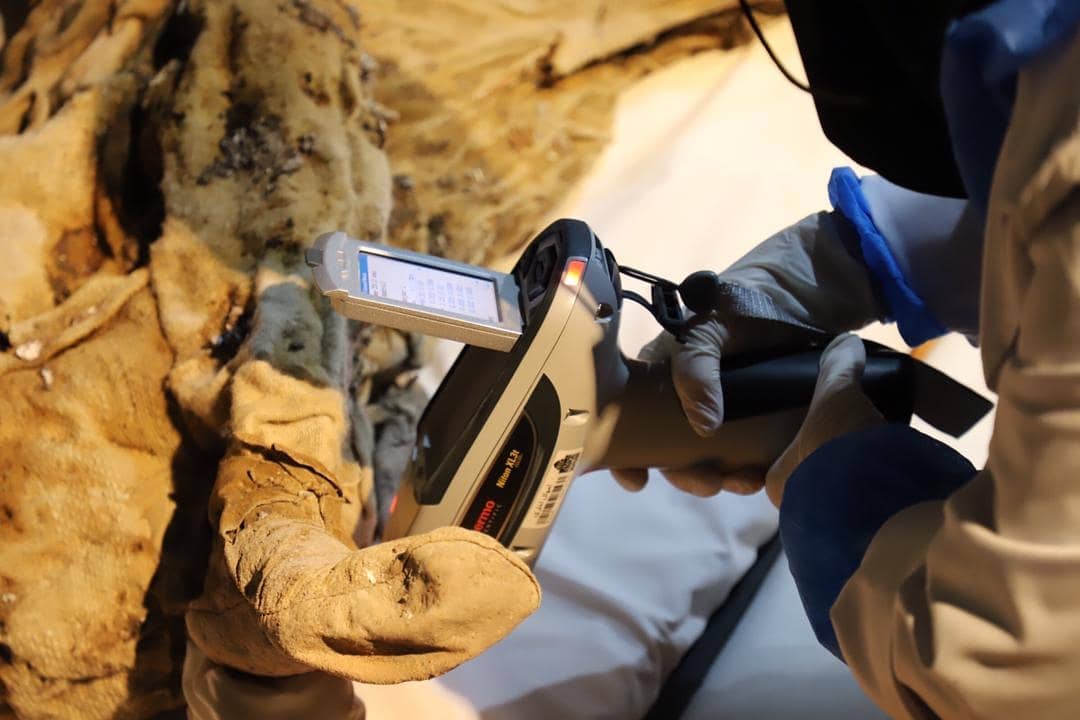
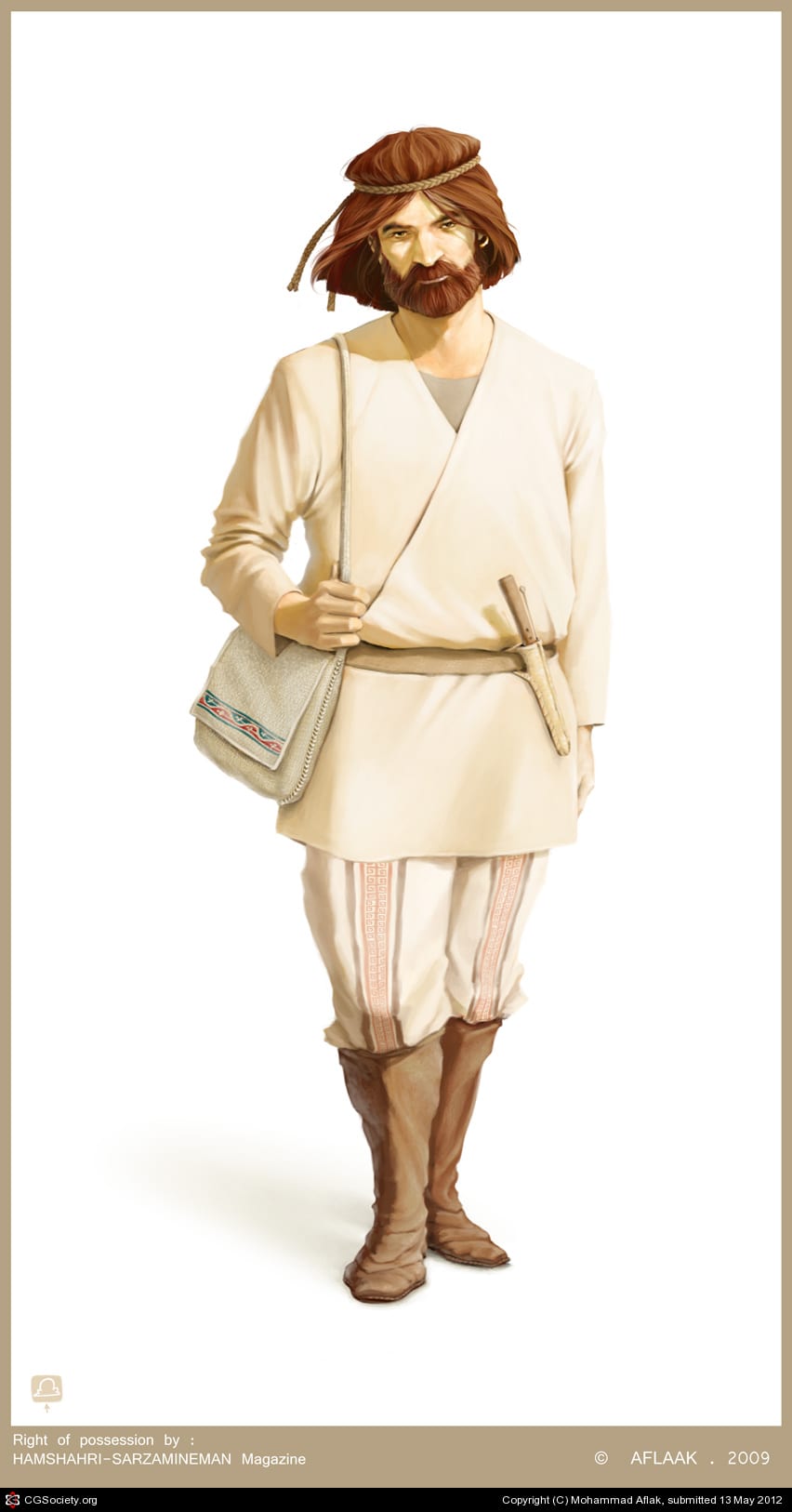
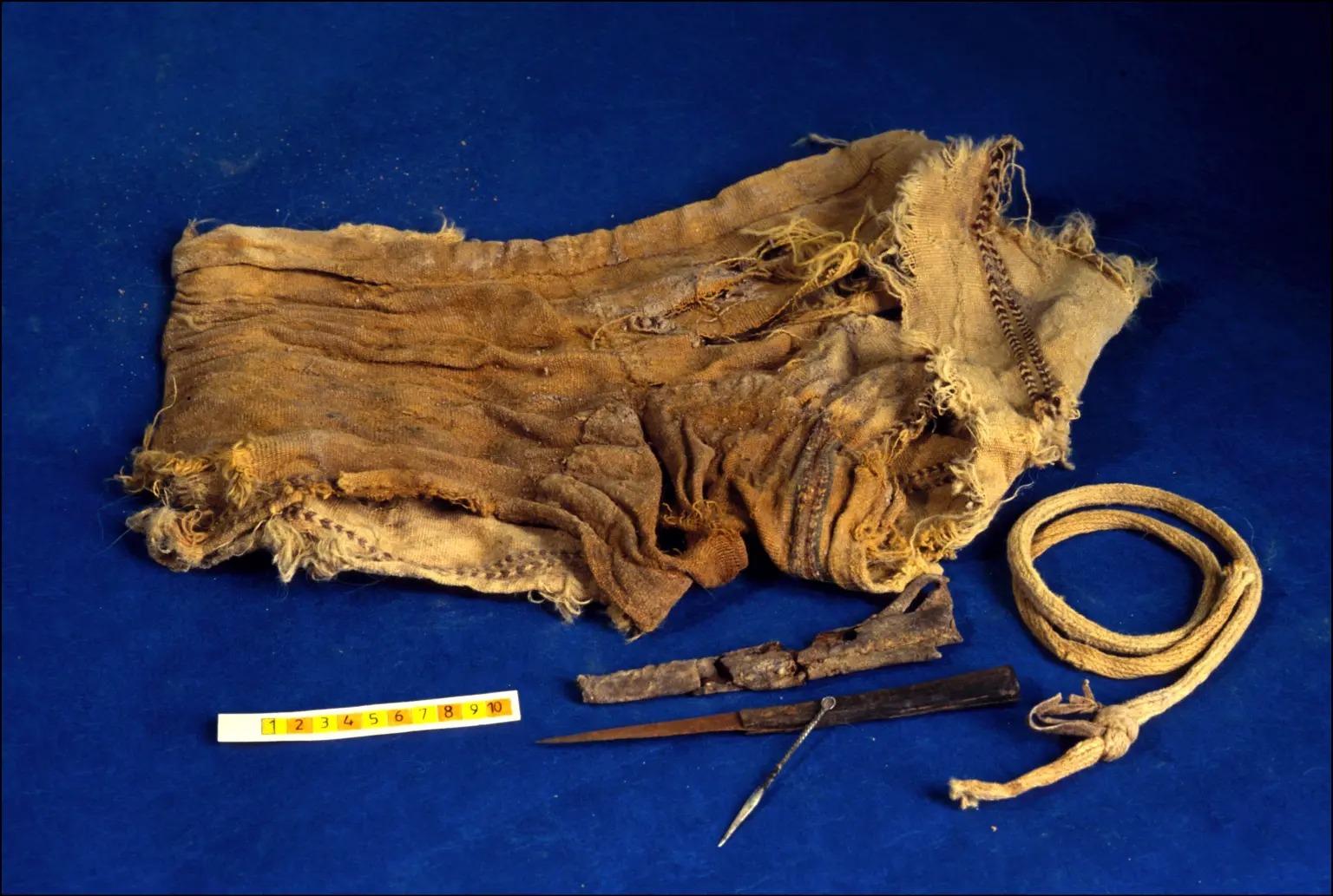
Clothing and Footwear: Leather boots, ankle-high shoes, and fragments of textiles provide insight into the clothing styles of ancient miners. These artifacts also indicate the harsh working conditions that required durable attire.
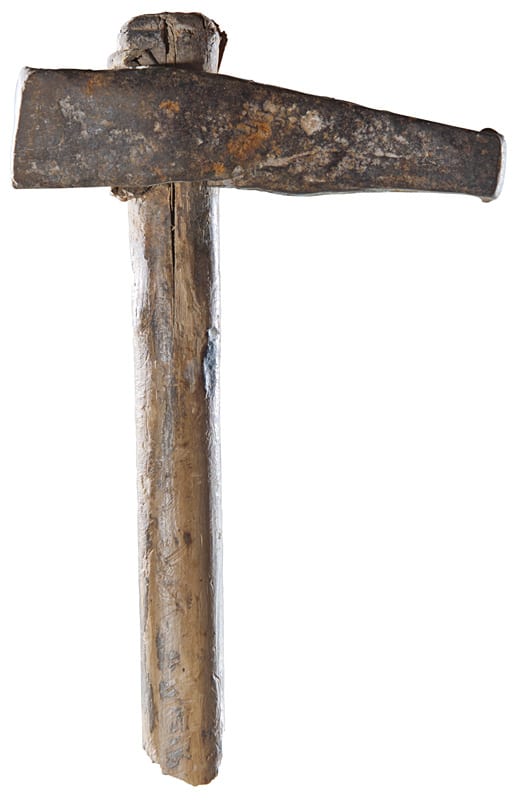
Tools: Iron knives and other working tools reflect the technological capabilities of the Achaemenid and Sassanid periods. These tools underscore the sophistication of ancient Persian mining operations.
Organic Accessories: Items such as fur and textiles indicate the use of natural materials for warmth and protection in the harsh mining environment. The discovery of such items illustrates the adaptability of miners to their environment.
Scientific Investigations
Radiological Analyses
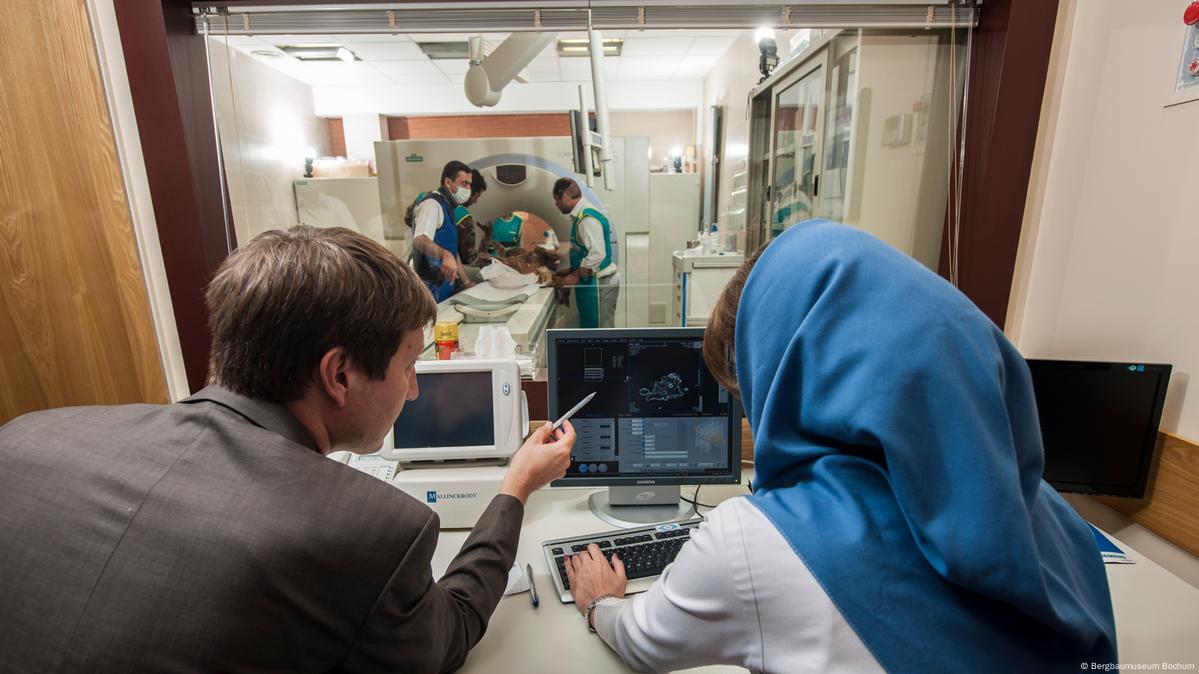
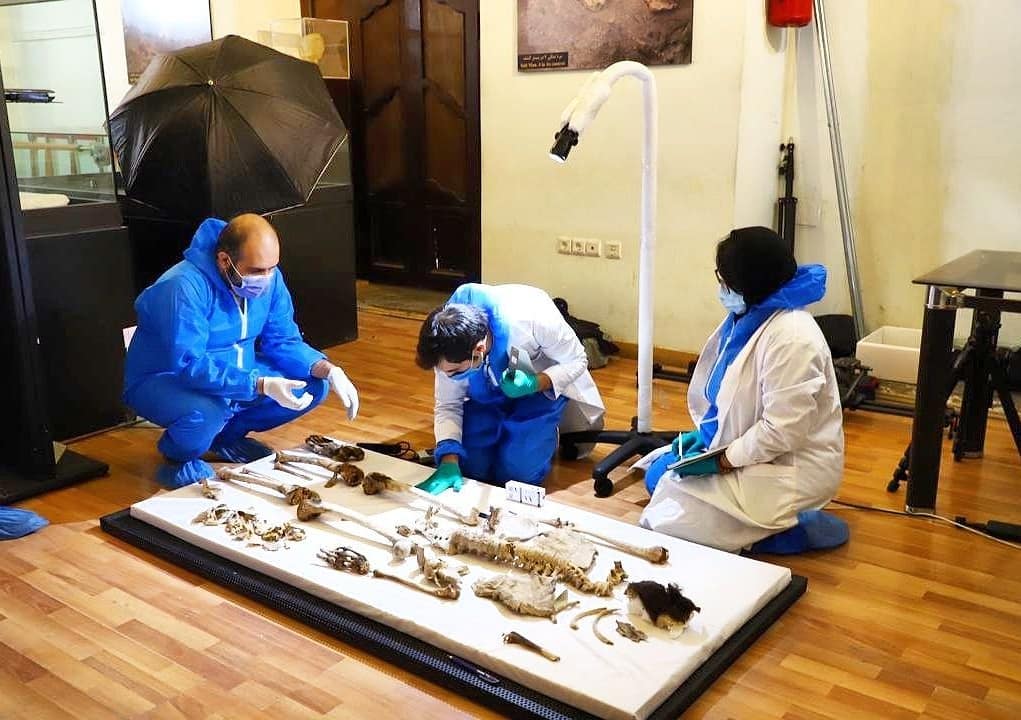
-Methods: CT scans were performed at the Tehran Heart Center and Pardis Nor Medical Center to analyze the skeletal structures and soft tissues of the Saltmen.
-Findings: Radiological imaging revealed traumatic injuries, including fractures and compression, consistent with mining accidents. These analyses also highlighted the physical strain endured by the miners.
Histological Analyses
-Methods: Tissue samples were rehydrated, fixed in formalin, and analyzed using various staining techniques, including hematoxylin and eosin (HE) and elastica Van Gieson (EVG).
-Findings: These analyses provided detailed insights into the mummies’ preservation and health. They revealed signs of wear and tear consistent with strenuous physical labor.
Age and Sex Determination
-Methods: Age was estimated using dental and skeletal analyses, while sex determination involved pelvic bone analysis and molecular sexing (aDNA) for SM5.
-Results: All Saltmen were confirmed to be male, with ages ranging from 15 (SM4) to approximately 49 years (SM5). These findings highlight the demographic makeup of the labor force in ancient mining communities.
Diet and Nutrition
Archaeobotanical evidence revealed significant differences in diet between the Achaemenid and Sassanid periods:
-Achaemenid Diet: Limited supply of grains (e.g., barley) and fruits (e.g., apricots, peaches). These findings suggest a more austere lifestyle among earlier miners.
-Sassanid Diet: More varied, including wheat, nuts, olives, and a wide range of fruits such as grapes, figs, and watermelons. This variety indicates advancements in trade and agriculture during the later period.
-Dental Health: Few caries were observed, suggesting a low-sugar, low-cariogenic diet. The dental health of the Saltmen reflects the overall nutritional patterns of their respective periods.
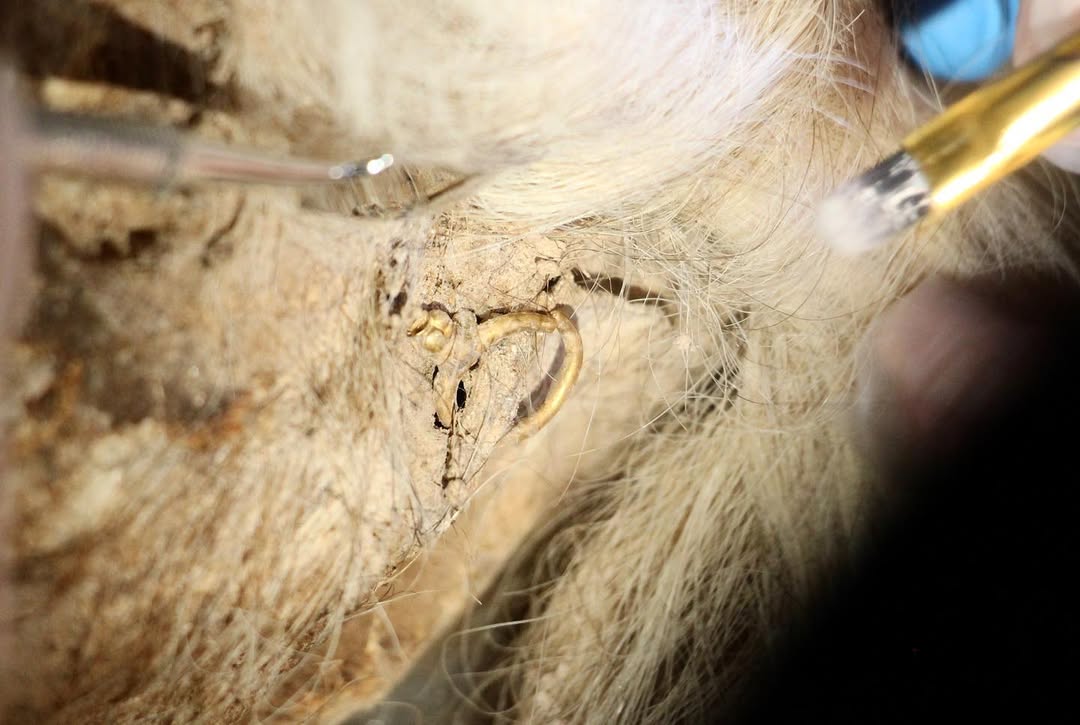
Saltman 4 (SM4) was found with a gold earring.
Archaeological Significance
Rare Natural Mummies
The Saltmen are the earliest known examples of natural salt mummification and remain the only preserved salt mummies worldwide. Their preservation provides a unique opportunity to study ancient Persian populations, offering insights into their physical conditions and lifestyles.
Insights into Ancient Mining
The traumatic injuries observed in the mummies suggest that most of the Saltmen perished in mining accidents. Their remains and artifacts provide a comprehensive picture of the dangers and challenges of ancient salt mining. These findings also illuminate the tools, techniques, and risks inherent in ancient mining practices.
Historical Continuity
The Chehrabad Salt Mine has evidence of salt exploitation spanning the Achaemenid, Sassanid, and Islamic periods, underscoring its long-term significance. This continuity highlights the enduring importance of the site in Persian history.
Conclusion
Exhibition and Public Awareness
National Museum of Iran (Tehran): SM1 is prominently displayed, drawing attention to the historical significance of the Saltmen.
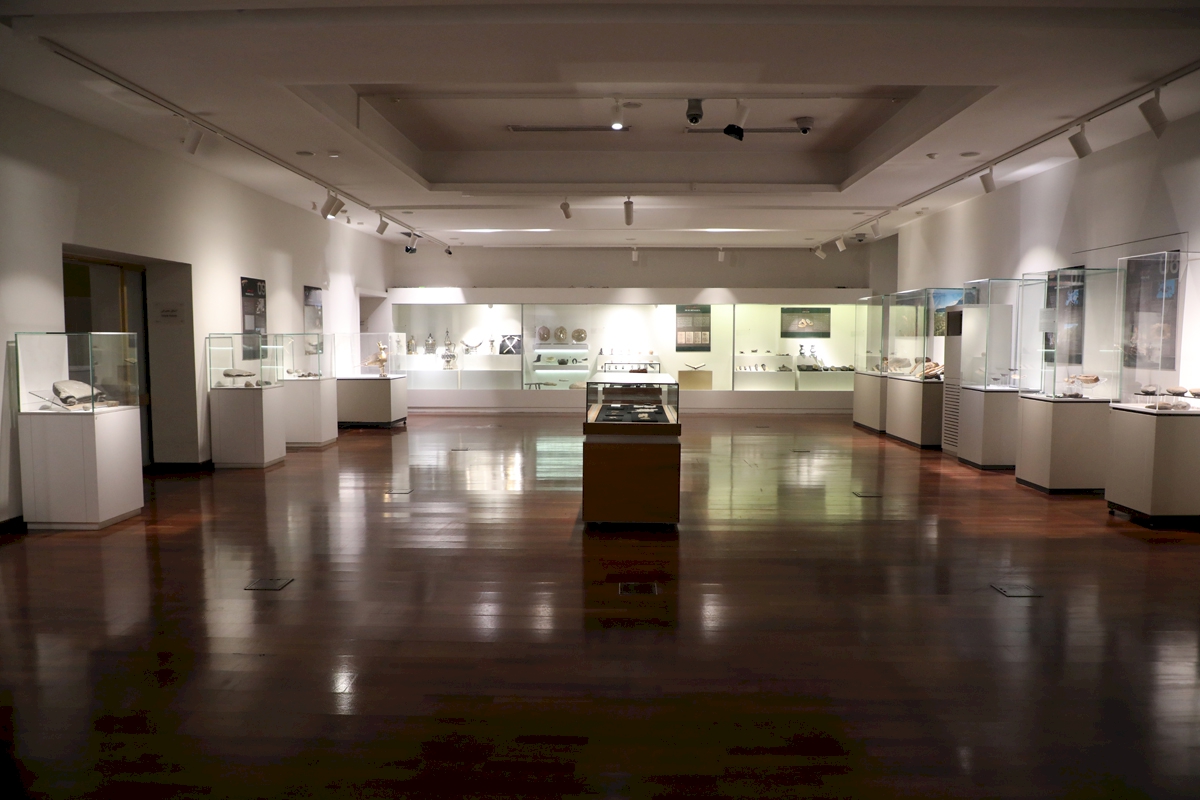
Archaeological Museum of Zanjan: Other Saltmen are exhibited, alongside detailed reconstructions of their burial environments and the artifacts found with them.
Salt: A Symbol of Loyalty and Purity in Iranian Culture
Salt has held profound significance in many cultures specially in Iran for centuries. Beyond its everyday use, it symbolizes purity, loyalty, and hospitality, deeply woven into Iran’s social and spiritual fabric.
Salt in Hospitality and Traditions:
In Iranian culture, welcoming guests with bread and salt signifies trust and gratitude. Sharing “bread and salt” creates an unspoken bond of loyalty between host and guest. This practice, rooted in spiritual traditions like Zoroastrianism, continues in ceremonies such as weddings.
Salt in Persian Literature:
Persian poets have immortalized salt in their works, using it as a metaphor for loyalty and integrity. Expressions like “namak khordan” (to eat salt) highlight gratitude, while “namak nashnas” (ungrateful to salt) conveys betrayal, reflecting its cultural and moral symbolism.
نمک شیرین نباشد وآنِ او هست نمک دارد لبش در خنده پیوست
Translation:
Her lips have salt in her continuous laughter, Salt is not sweet, yet hers is.
Explanation:
In Persian poetry, “salt” (نمک) is a metaphor for charm, allure, and a captivating quality that adds flavor to a person’s character or appearance. In this couplet, the poet beautifully blends the literal and metaphorical meanings of “salt.” While salt is not inherently sweet, the beloved’s charm (her “salt”) is described as sweet and irresistible. This juxtaposition highlights her unique and enchanting nature. The use of “salt” in Persian literature often symbolizes wit, charisma, or the ability to leave a lasting impression.
Our recommendation?
Join us at Travelserai and embark on a journey to witness these incredible relics firsthand. Immerse yourself in the rich tapestry of Iranian life, explore its vibrant traditions, and create memories that will last a lifetime. Don’t just read about history—experience it. Your unforgettable adventure awaits!
Badab Soort Springs
Maharloo Lake
Garmsar Salt Cave
Elahe Namak Hormoz
Rainbow Cave Hormuz
Garmsar Salt Cave
Additional Salt Attractions in Iran


Comment (0)