
Overview
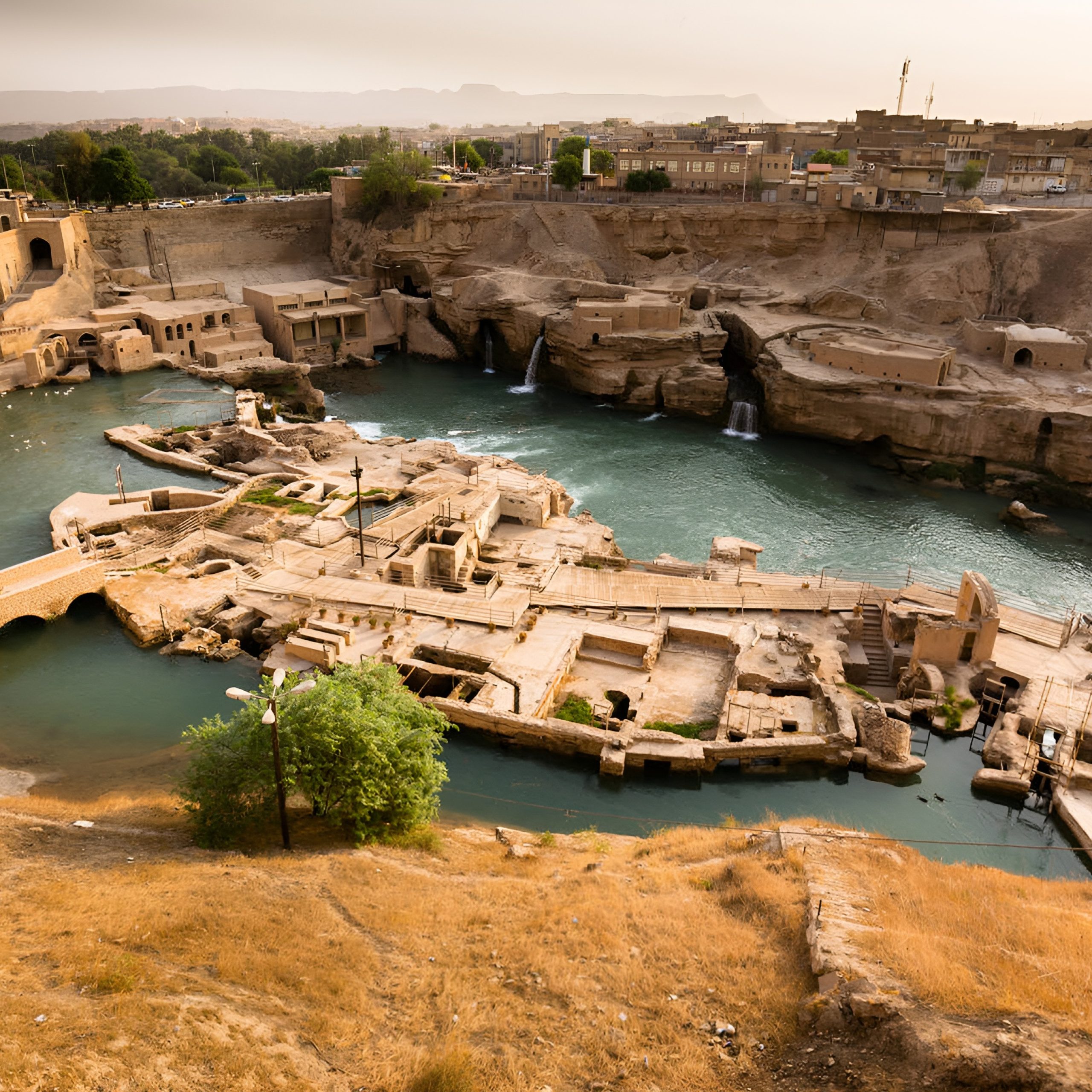
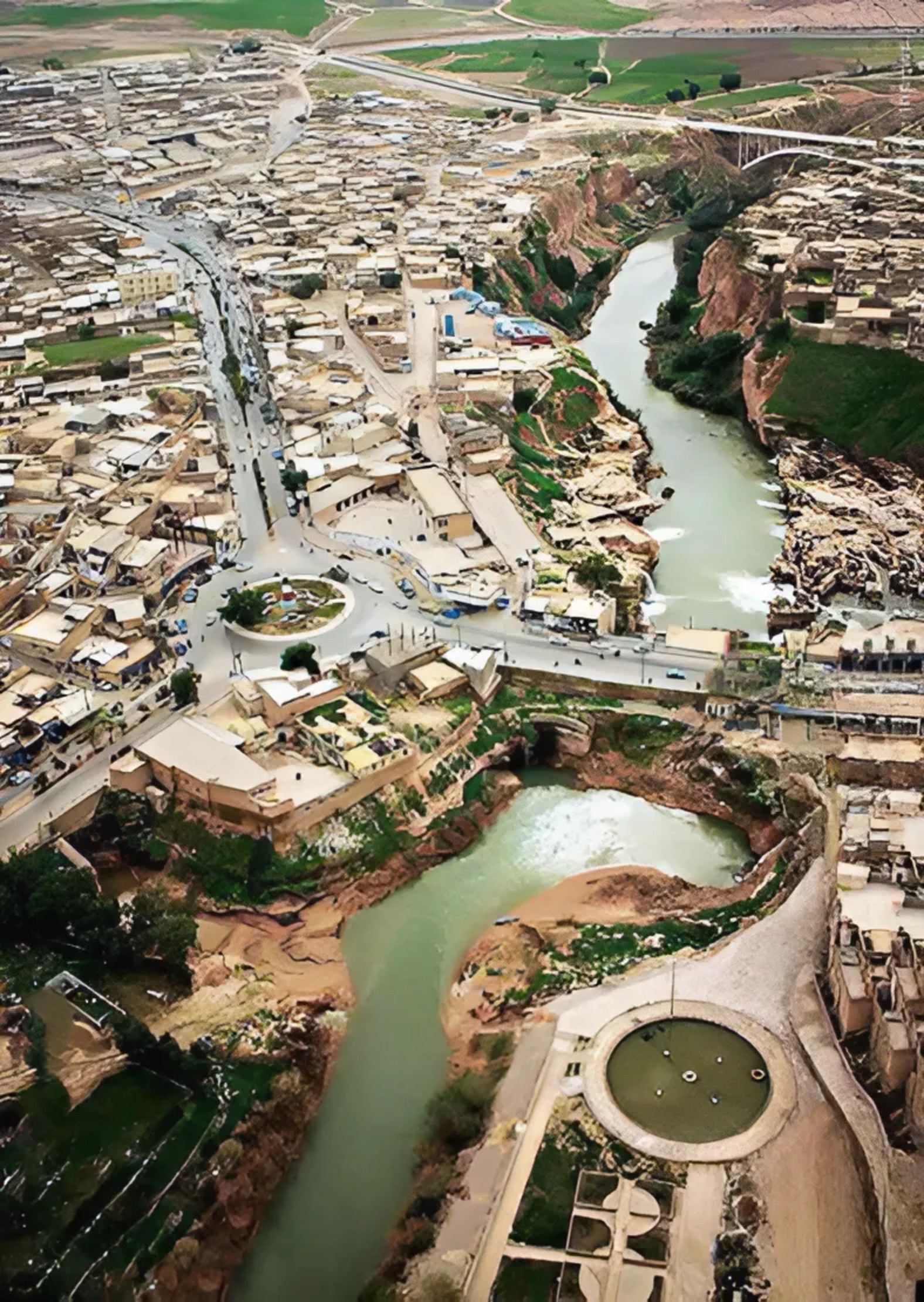
The Shushtar Historical Hydraulic System is an ancient engineering marvel located in Shushtar, Iran. Recognized as a UNESCO World Heritage site in 2009, this system dates back to the Sassanian era (approximately 224-651 AD) and showcases advanced techniques in hydraulic engineering.
Design and Structure:
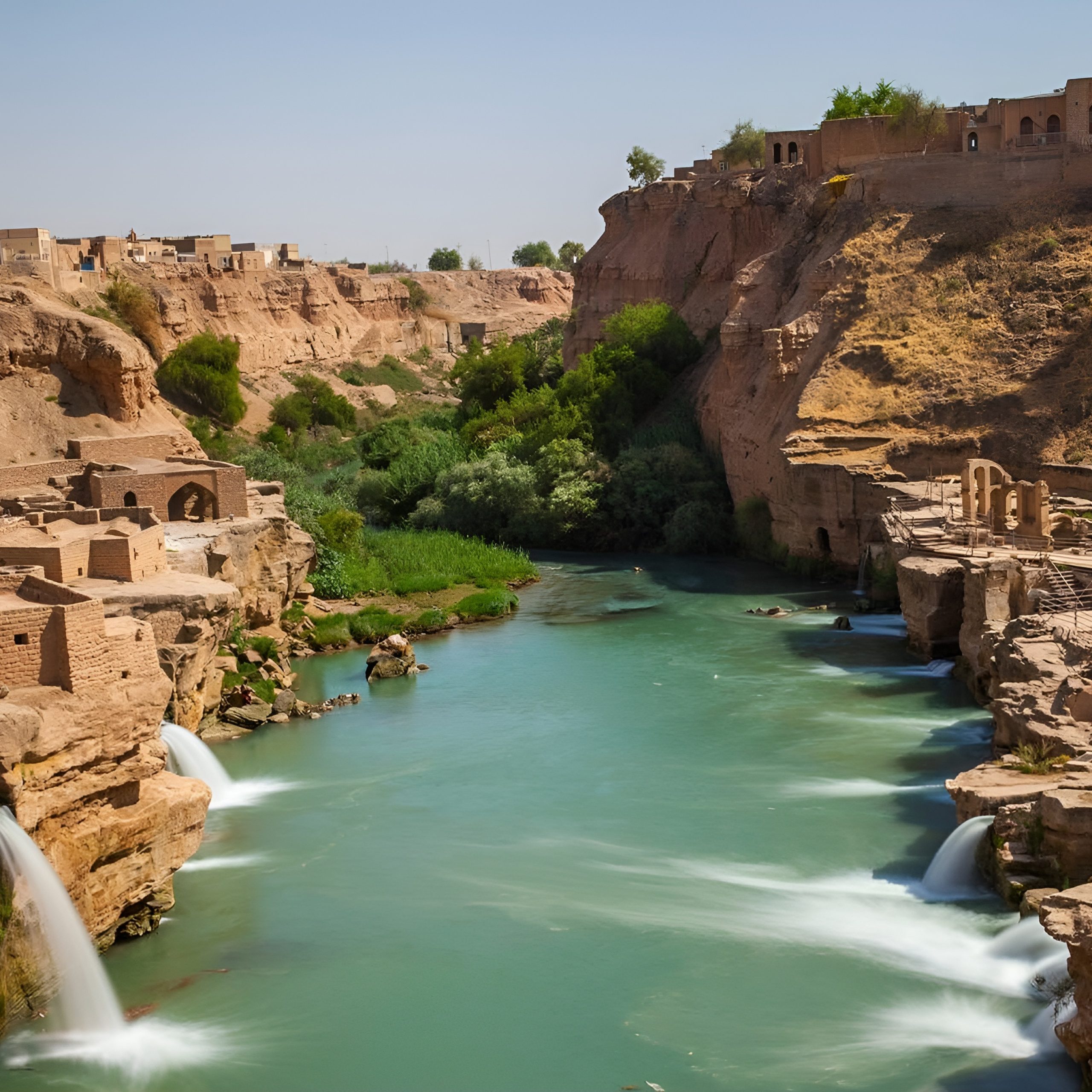
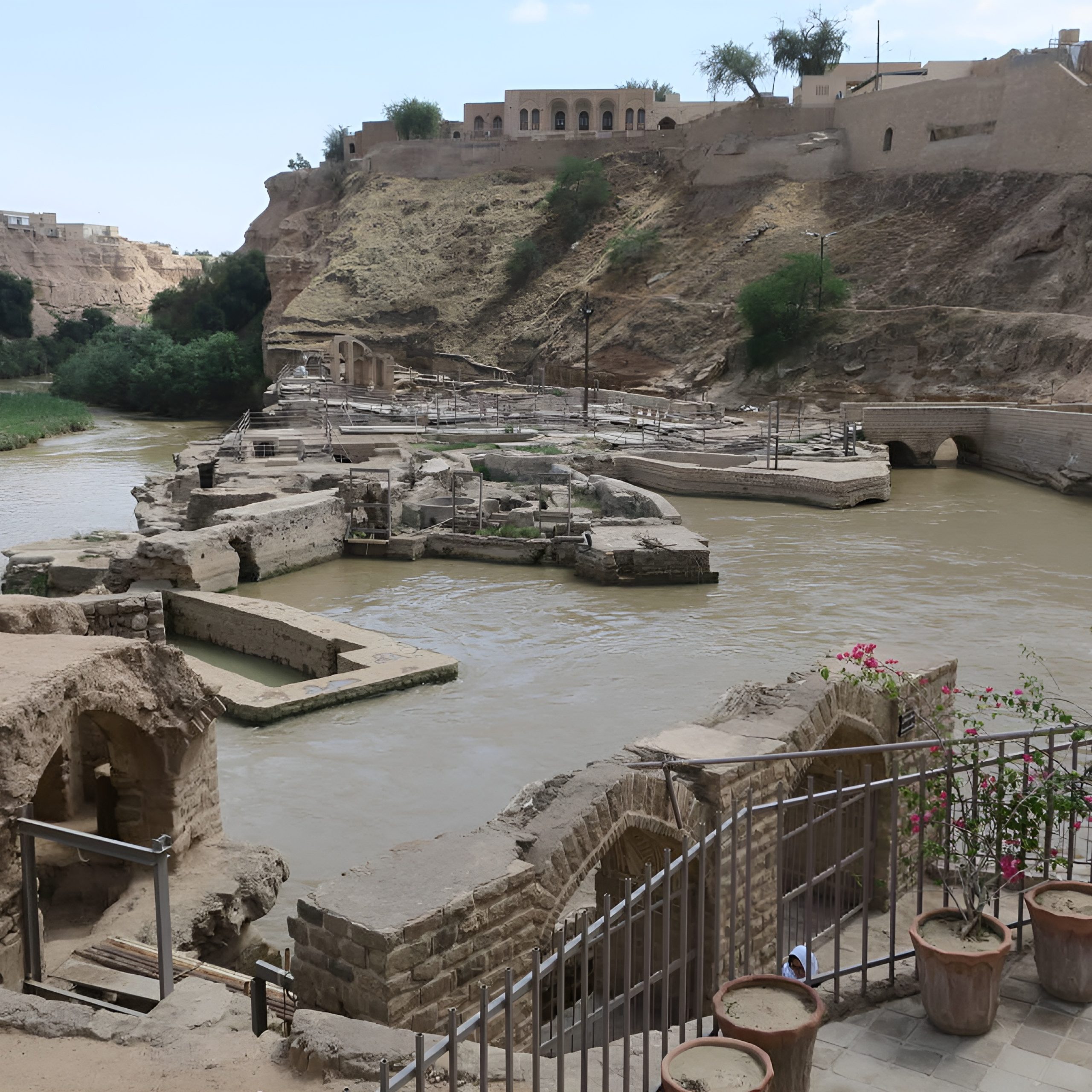
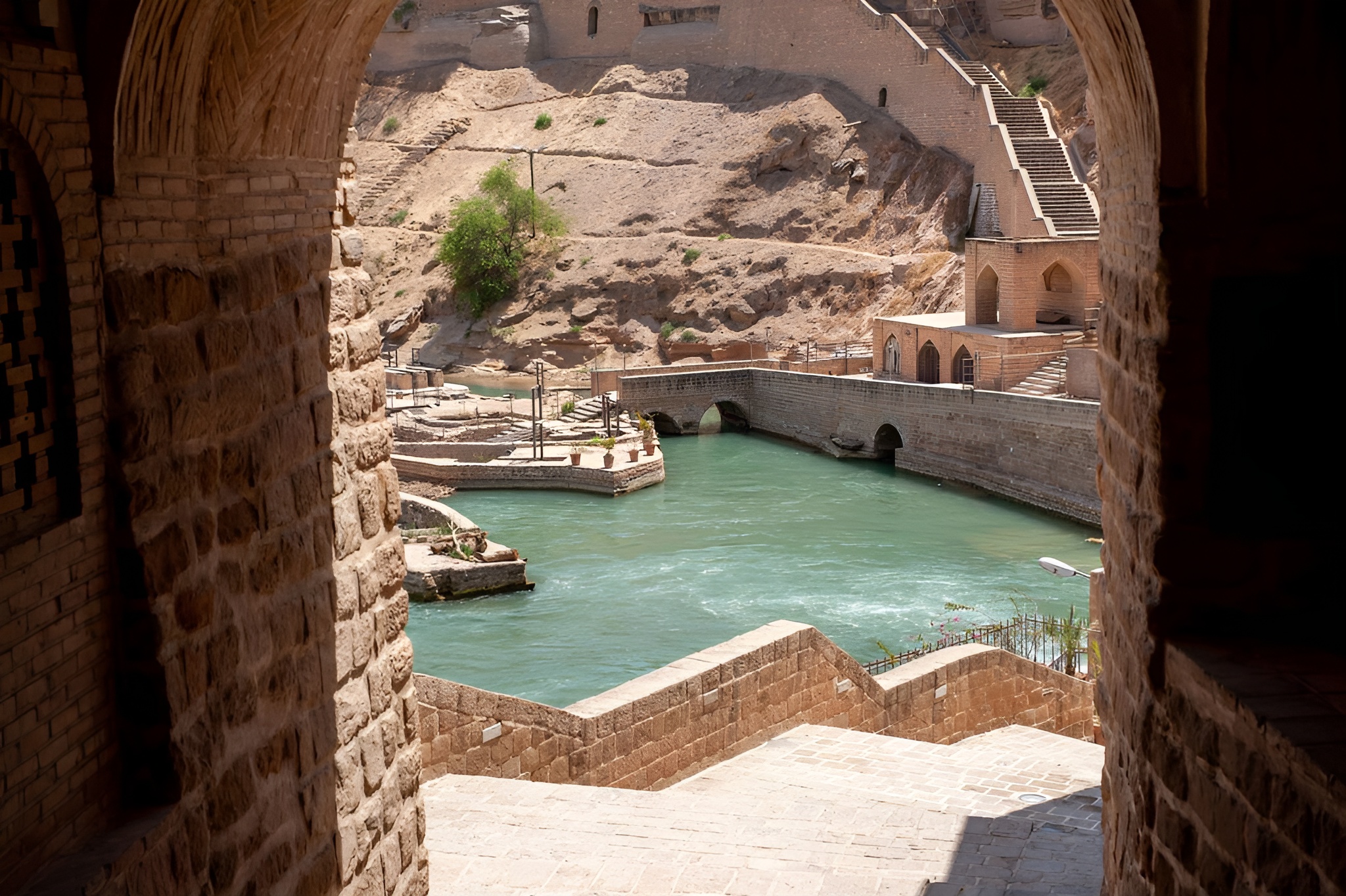
The Shushtar Hydraulic System includes a series of canals, dams, waterfalls, and mills that effectively utilize the natural water flow of the Karun River. Structures like the Gargar River channel and stone bridges exemplify its intricate design.
This system was primarily built to control water for agricultural irrigation, enabling efficient farming in the arid landscape of Khuzestan province. It was also used for textile production, paper manufacturing, and flour milling.
Components:
– Dams: Large stone dams were constructed to regulate water flow.
– Canals: A network of channels directed the water to various locations, ensuring that different areas received irrigation.
– Watermills: The system included water-driven mills that were crucial for local industries.
– Irrigation: The canals allowed for the distribution of water to fields, enhancing agricultural productivity.
Beyond its engineering prowess, the site is vital for understanding the socio-economic conditions of ancient Persia. It enabled the flourishing of settlements through sustainable agricultural practices.
Today, the Shushtar Historical Hydraulic System attracts tourists and researchers. Visitors can explore remnants of the canals, bridges, and mills while learning about ancient Persian civilization’s technological advancements. Overall, the Shushtar Historical Hydraulic System is not just an engineering achievement; it is an integral part of Iranian heritage that highlights the synergy between human innovation and nature.
Curious to explore this wonder and dive deeper into Iran’s rich history? At TravelSerai, we specialize in uncovering hidden gems like the Shushtar Hydraulic System. Contact us, and let us guide you on a journey through Iran’s incredible culture and timeless heritage, where every site tells a story waiting to be discovered.

Comment (0)