

Introduction
Venus figurines are prehistoric sculptures of the female form, typically associated with the Upper Paleolithic era. These artifacts, often depicting exaggerated feminine features, are among the earliest examples of human artistic expression. Named after the Roman goddess of love and beauty, “Venus,” these figurines are believed to reflect ideals of fertility, femininity, and survival in ancient societies. Their profound cultural and symbolic significance continues to fascinate archaeologists and historians.
Historical Background and Origins
Venus figurines emerged during the Upper Paleolithic period, approximately 35,000 to 10,000 years ago. This era, marked by significant advancements in tool-making and art, saw humans beginning to create symbolic objects that transcended mere functionality. The figurines are often linked to the Gravettian culture in Europe and represent one of the earliest forms of portable art, signaling a shift toward abstract thought and symbolic representation.
Physical Characteristics
Typically ranging from 4 to 25 centimeters in height, Venus figurines were crafted using diverse materials, including stone, ivory, bone, and clay. Their distinguishing features include exaggerated breasts, wide hips, and prominent thighs, often with minimal attention to the head, arms, and feet. These proportions emphasize fertility, motherhood, and the continuation of life, suggesting their symbolic roles in prehistoric societies.

Venus of Hohle Fels 🇩🇪
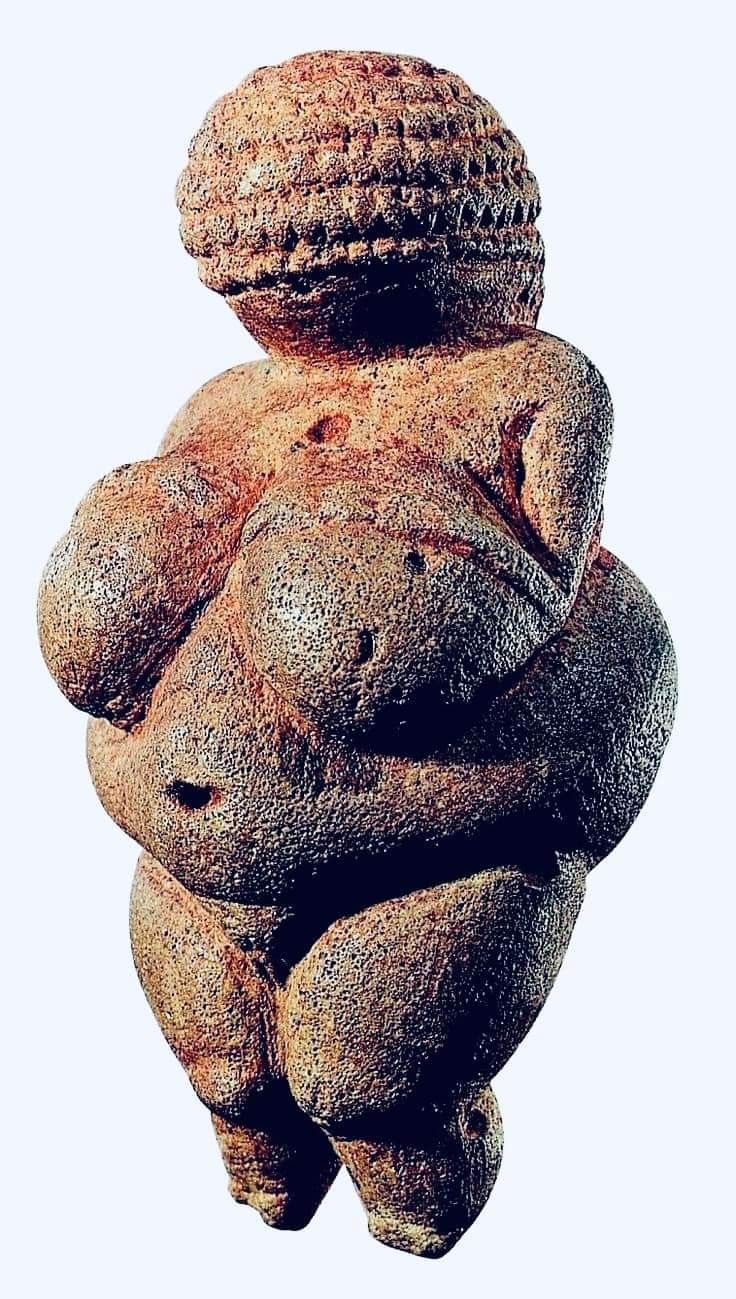
Venus of Willendorf 🇦🇹

Venus of Brassempouy 🇫🇷

Venus of Sarab 🇮🇷
Geographical Distribution
Venus figurines have been discovered across a vast geographical range, spanning Europe, Asia, and the Middle East. Some of the most notable examples include the Venus of Willendorf (Austria), the Venus of Hohle Fels (Germany), and the Venus of Lespugue (France). In Asia, discoveries in Siberia, Central Asia, and the Middle East highlight the widespread cultural significance of female representation in art. In Mesopotamia and Iran, later-period figurines, such as those from the Elamite era, demonstrate the continuity of this artistic tradition.
Artistic Techniques and Craftsmanship
Creating Venus figurines required meticulous craftsmanship. Early humans employed carving, engraving, and molding techniques, often using tools made from flint, bone, or antler. Clay figurines, such as those found in Dolní Věstonice (Czech Republic), are some of the earliest known examples of fired ceramics, showcasing remarkable innovation in prehistoric art.
Interpretations of Meaning
The purpose of Venus figurines has been widely debated among scholars. Common interpretations include their roles as fertility symbols, representations of a “mother goddess,” or protective talismans. Others suggest they may have been self-portraits, teaching tools, or reflections of societal ideals of health and beauty during the Upper Paleolithic period.
Gender Perspectives and Societal Roles
The predominance of female representation in Venus figurines has sparked discussions about gender roles in prehistoric societies. Some researchers view these artifacts as affirmations of the central role of women in reproduction and community life. Others argue that they reflect male perspectives on femininity and fertility. Regardless of their origins, the figurines highlight the cultural significance of women as life-givers and nurturers.
Symbolism of Fertility and Motherhood
The exaggerated features of Venus figurines, such as large breasts and wide hips, symbolize fertility, reproduction, and motherhood. These traits reflect a deep cultural emphasis on survival, with the figurines serving as icons of life-giving power and maternal care. In Elamite art, similar figurines depicted women alongside deities, emphasizing their spiritual and authoritative roles in society.
The Role of Women in Ancient Civilizations
Women played a significant role in the political, religious, and social spheres of ancient civilizations. In Elam, for example, women were often depicted as divine figures or powerful rulers, embodying the “feminine principle of existence.” The flourishing of sculpture in the Elamite Empire led to the creation of masterpieces inspired and crafted by women. Figurines such as the Venus of Sarab, unearthed in Iran, illustrate the cultural reverence for fertility and motherhood.
Recent Theories on Survival
Recent research has suggested that the emphasis on obesity in Venus figurines might symbolize survival during harsh climates. In Ice Age Europe and Asia, body fat would have been a vital resource for enduring cold temperatures and food scarcity. The figurines may thus represent an idealized image of health and resilience.
Evolution of Figurine Styles
Over time, Venus figurines evolved in their artistic styles and symbolism. Early examples, often simplistic, gradually gave way to more refined and realistic representations. During the Middle Elamite period, figurines featured intricate hairstyles, jewelry, and facial details, reflecting cultural exchanges with Babylonian and Mesopotamian civilizations. In contrast, earlier sculptures displayed exaggerated features with minimal detail, underscoring their ceremonial or ritualistic purposes.
Comparative Analysis with Other Artifacts
Compared to other prehistoric art forms, such as cave paintings or rock engravings, Venus figurines stand out for their focus on the human form. While cave art often depicts animals or hunting scenes, these figurines emphasize symbolic and abstract representations, showcasing the diversity of Paleolithic artistic expression.
Symbolism and Religious Context
The Venus figurines’ repeated depictions of nude women highlight their ritualistic and symbolic significance. Often discovered in temples, tombs, and shrines, these artifacts reflect the central role of women in religious and spiritual practices. In Mesopotamian cosmology, the divine feminine was seen as a superhuman archetype, embodying the ultimate expression of womanhood and fertility.
Mythological Connections and Legacy
The anachronistic name “Venus” links these figurines to later mythologies, particularly the Roman goddess of love and beauty. This connection underscores the enduring fascination with feminine imagery and its association with fertility, love, and creation in human culture. The discovery of Venus figurines continues to offer invaluable insights into the beliefs, values, and artistry of early civilizations.
Conclusion
Venus figurines serve as powerful symbols of fertility, motherhood, and the central role of women in ancient societies. From the Upper Paleolithic period to the Elamite Empire, these artifacts reflect the artistic ingenuity and cultural values of their creators. Through their exaggerated features and intricate craftsmanship, they offer a window into the spiritual, social, and artistic worlds of our ancestors, reminding us of the timeless reverence for the feminine principle in human history.

Comment (0)