
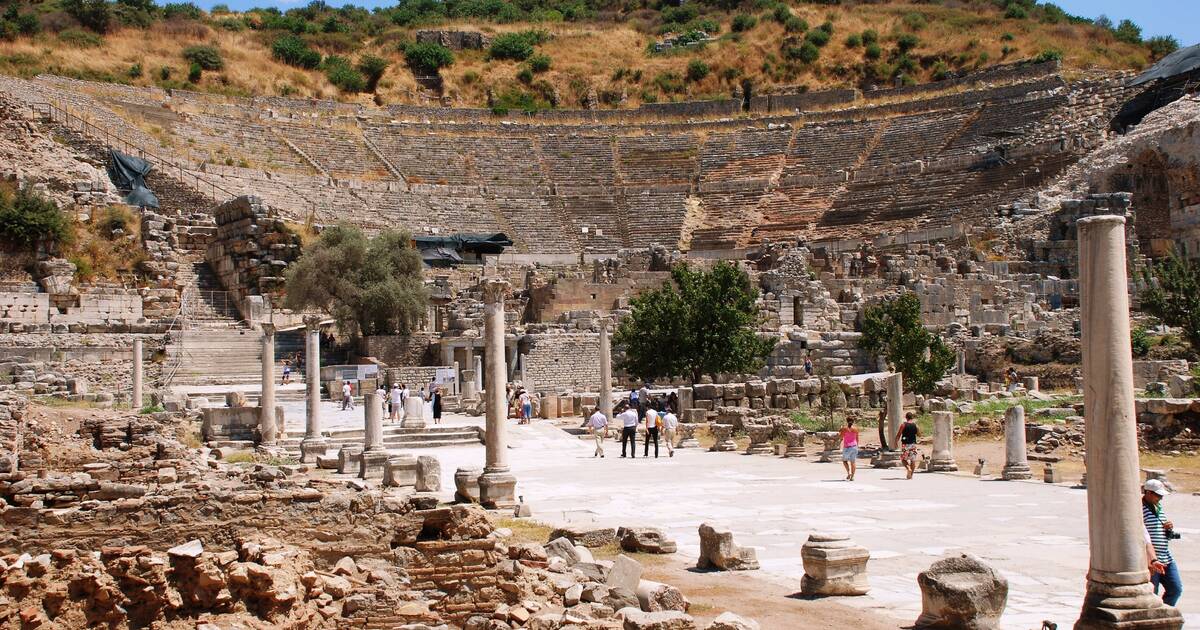
Nestled in the heart of modern-day Turkey, Ephesus stands as one of the most spectacular ancient cities in the world. Known for its remarkably preserved ruins, it offers a glimpse into the grandeur of classical antiquity. From its origins as a Greek settlement to its prominence under Roman rule, Ephesus tells the story of millennia of history, culture, and architectural achievement. This comprehensive guide explores the rich tapestry of Ephesus, providing you with everything you need to know to plan an unforgettable visit.
The Ancient City of Wonders
Ephesus, one of the most significant cities of the ancient world, stands as a testament to the grandeur of classical civilization. Located on the western coast of Asia Minor, near the modern town of Selçuk in Turkey, Ephesus was a major center of trade, culture, and religion. Its rich history, spanning over several millennia, has left behind a wealth of archaeological treasures that continue to captivate historians, archaeologists, and tourists alike.

Historical Overview
Founding and Early History
Ephesus was founded in the 10th century BCE and quickly grew into a prominent city due to its strategic location as a port and trade hub. The city was initially known as Apasa during the Hittite era and was later refounded by Ionian Greeks in the 11th century BCE. Under Greek rule, Ephesus became a significant cultural and economic center.
Roman Period
The city reached its zenith during the Roman period, becoming the capital of the Roman province of Asia. Ephesus was one of the largest cities in the Roman Empire, with a population estimated between 50,000 and 225,000. The city’s prosperity was reflected in its impressive architecture and public works, including the famous Library of Celsus and the Great Theatre.
Byzantine Period
During the Byzantine era, Ephesus remained an important city, but its decline began due to the silting of its harbor, which cut off its access to the sea and trade routes. Despite this, the city continued to be a significant religious center, especially with the spread of Christianity.
Ottoman Period
By the 15th century, Ephesus was largely abandoned, and the nearby town of Selçuk became the main settlement. The once-thriving city was left to the elements, with its ruins gradually buried under layers of earth.
Religion and Culture
Cult of Artemis
Ephesus was renowned for its worship of Artemis, the goddess of fertility. The Temple of Artemis, one of the Seven Wonders of the Ancient World, was a major religious site and attracted pilgrims from across the ancient world. The temple was destroyed and rebuilt several times before being abandoned after the spread of Christianity.
Christianity
Ephesus played a crucial role in early Christianity. It is mentioned in the New Testament, and the Ephesian Church is one of the seven churches of the Apocalypse. According to tradition, Apostle John lived in Ephesus and wrote his Gospel there. He is believed to be buried in the city. Additionally, some traditions suggest that the Virgin Mary lived in Ephesus after the crucifixion of Jesus.

Top Attractions in Ephesus:
The Library of Celsus
Arguably the most iconic structure in Ephesus, the Library of Celsus was built in the 2nd century CE as a mausoleum for the Roman senator Tiberius Julius Celsus Polemaeanus. Its ornate façade, with intricately carved columns and statues, is a marvel of ancient engineering. Once home to 12,000 scrolls, the library highlights the city’s cultural and intellectual significance.
The Great Theatre
Capable of seating 25,000 spectators, the Great Theatre is one of the largest ancient amphitheaters ever constructed. This grand structure hosted dramatic performances, gladiatorial games, and even political gatherings. Its excellent acoustics continue to captivate visitors today.
The Temple of Artemis
Though only a few columns remain of the once-magnificent Temple of Artemis, its historical significance cannot be overstated. Pilgrims from across the ancient world traveled to this sacred site, dedicated to the goddess of fertility and the hunt.
The Terrace Houses
Located on the slopes of Mount Koressos, these well-preserved residential homes offer a fascinating glimpse into the lives of Ephesus’s elite. Their intricate mosaics, frescoes, and advanced heating systems reveal the opulence of Roman urban living.
Curetes Street
This main thoroughfare, lined with columns, statues, and fountains, connected key parts of the city. Walking along Curetes Street allows you to imagine life in a bustling Roman metropolis.
Agora
The Agora was the central marketplace of Ephesus, surrounded by colonnades and used for trade and public gatherings. It was a bustling hub of activity, where merchants from across the Roman Empire came to trade their goods.
Odeon
The Odeon was a smaller theatre used for meetings and performances. It was a popular venue for musical and theatrical events and could accommodate around 1,400 spectators.
Temple of Hadrian
The Temple of Hadrian is one of the best-preserved Roman temples in Ephesus. Dedicated to Emperor Hadrian, the temple features intricate carvings and reliefs that depict various mythological scenes.
House of the Virgin Mary
The House of the Virgin Mary is a small stone house believed to be the final residence of the Virgin Mary. It is a popular pilgrimage site for Christians and is visited by thousands of pilgrims each year.
Basilica of St. John
The Basilica of St. John is a large church built over the believed burial site of Apostle John. The basilica was an important religious center during the Byzantine period and is a significant archaeological site today.
Archaeological Discoveries:
Excavations
The first archaeological excavations in Ephesus were conducted by British archaeologists in 1869. These excavations uncovered significant structures such as the Temple of Artemis, the Library of Celsus, and the Great Theatre. The discoveries brought to light the grandeur of the ancient city and provided valuable insights into its history and culture.
Austrian Archaeological Institute
Since 1895, the Austrian Archaeological Institute has played a major role in excavating and preserving Ephesus. The institute’s work has led to the discovery of numerous artifacts and structures, contributing to our understanding of the city’s past.
Artifacts
Many artifacts from Ephesus are displayed in museums around the world, including the British Museum, the Ephesus Museum in Selçuk, and the Vienna Museum of Ephesus. These artifacts include statues, inscriptions, and everyday objects that provide a glimpse into the lives of the ancient Ephesians.
Decline and Abandonment:
Harbor Siltation
The main cause of Ephesus’s decline was the silting of its harbor, which cut off its access to the sea and trade routes. As the harbor became increasingly unusable, the city’s economy suffered, and its population dwindled.
Earthquakes
Ephesus was also damaged by several earthquakes, which contributed to its decline. The city’s buildings and infrastructure were repeatedly damaged and rebuilt, but over time, the cost of reconstruction became too great.
Arab Raids
In the 7th and 8th centuries, Arab raids further weakened the city. The raids disrupted trade and caused widespread destruction, leading to the eventual abandonment of Ephesus.
Modern Significance:
Tourism
Today, Ephesus is a major tourist destination, attracting visitors from around the world. The well-preserved ruins of the ancient city offer a fascinating glimpse into the past, and the site is a must-visit for anyone interested in history and archaeology.
UNESCO World Heritage Site
In 2015, the archaeological site of Ephesus was inscribed as a UNESCO World Heritage Site. This recognition highlights the city’s historical and cultural significance and ensures its preservation for future generations.

Ephesus is more than a destination—it’s a journey through time, where every stone whispers a story and every path leads to wonder. Let TravelSerai turn this dream into reality. Contact us now and let your unforgettable adventure to Ephesus begin!


Comment (0)