
Introduction: The Genius of Ibn Sina
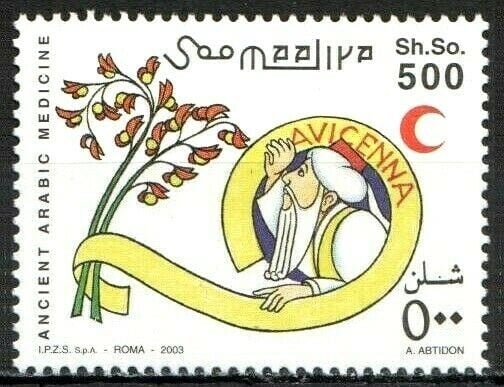
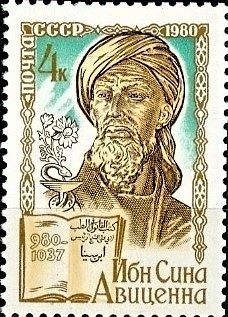
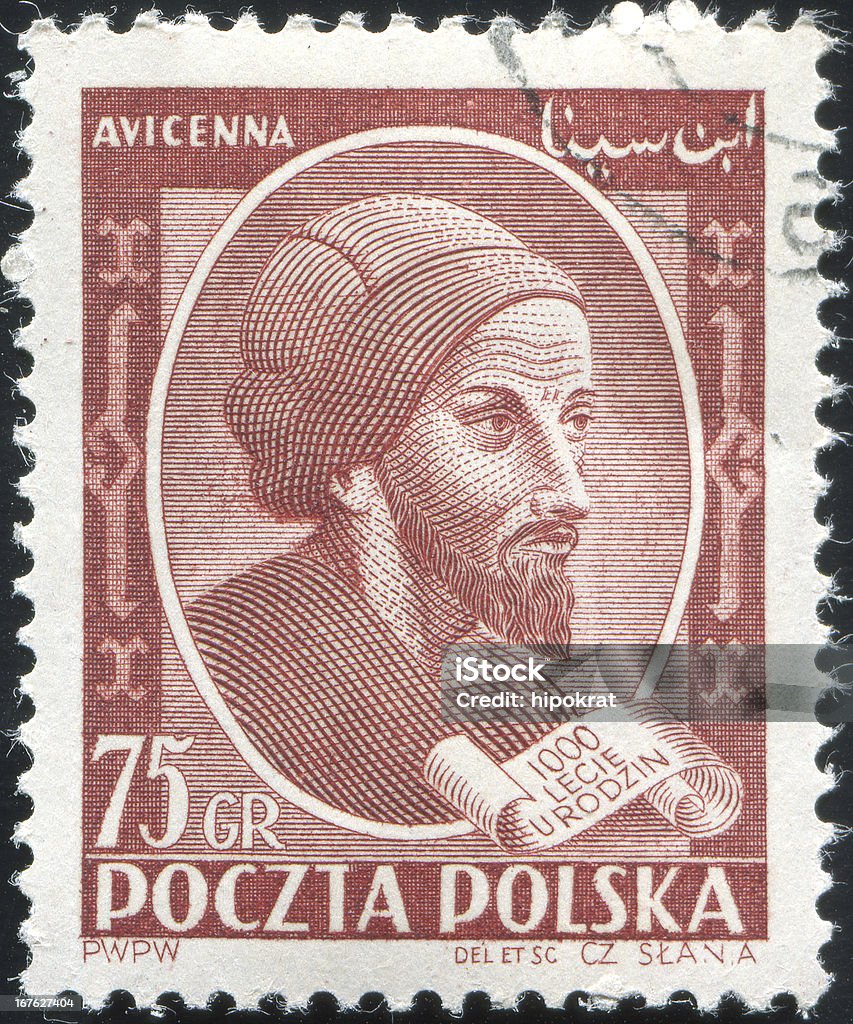
Ibn Sina, known in the West as Avicenna, was a polymath whose intellectual legacy has profoundly shaped the development of science, medicine, and philosophy. Born around 980 CE in Afshana, near Bukhara (modern-day Uzbekistan), he grew up in a region steeped in Persian culture and intellectual tradition. Renowned as the “Prince of Physicians” and “The Chief of Doctors,” Ibn Sina was a true all-encompassing scholar—also a mathematician, astronomer, physicist, chemist, geographer, poet, logician, philosopher, musician, and statesman. His groundbreaking contributions laid the foundations for modern medicine, logic, and metaphysics. His major works, including the Kitab al-Shifa (Book of Healing), Danishnama-yi ‘Ala’i (The Book of Knowledge), and the Canon of Medicine, bridged the gap between Eastern and Western thought, leaving an enduring impact on both Islamic and European intellectual traditions. This article explores his life, discoveries, and lasting legacy across various fields.
Early Life and Education: A Child Prodigy
Birth and Family Background
Ibn Sina was born into a family deeply embedded in the intellectual and administrative landscape of the Islamic world. His father, Abdullah, originally from Balkh (modern-day Afghanistan), was a respected government official, while his mother, Setareh, hailed from Afshana, near Bukhara (modern-day Uzbekistan). Both parents recognized Ibn Sina’s exceptional intellect early on, ensuring he received a robust education that included not only traditional Islamic studies but also the sciences, medicine, philosophy, and the classics. Throughout his life, Ibn Sina traveled extensively across what is now Iran, Uzbekistan, Afghanistan, and Turkmenistan, immersing himself in the rich cultural and scholarly traditions of these regions.
The birthplace of Avicenna, Afshona, Uabekistan
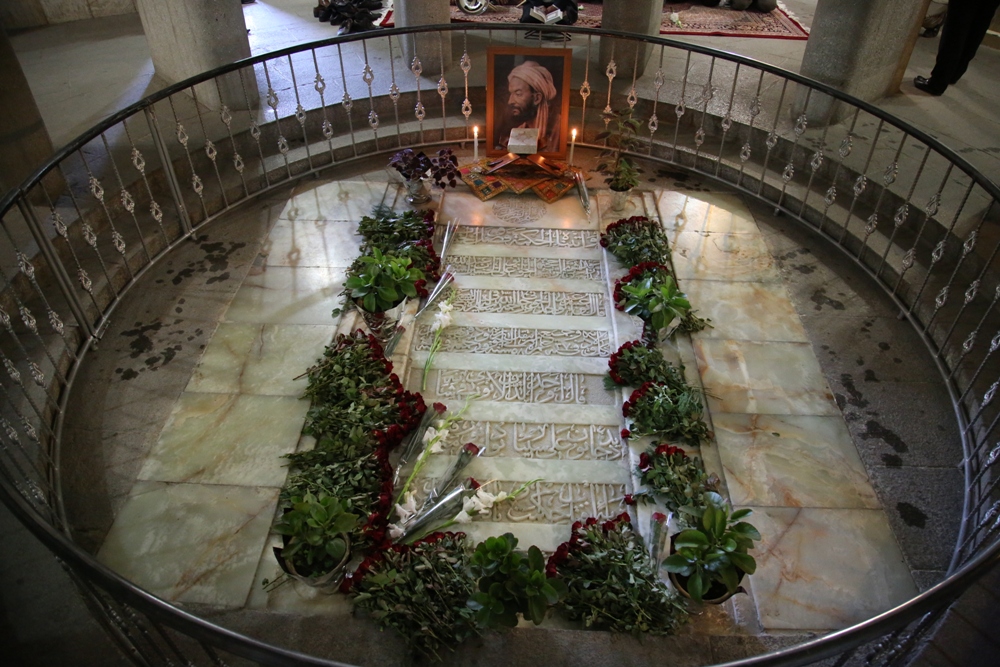
The tomb of Avicenna, Hamedan, Iran
Education and Intellectual Development
By the age of 10, Ibn Sina had already memorized the entire Quran. His intellectual prodigy only grew from there. At just 16, he was practicing medicine professionally, offering diagnoses and treatments that quickly earned him fame. His ability to synthesize knowledge from multiple disciplines—medicine, philosophy, mathematics, and logic—made him an unparalleled scholar of his time.
Ibn Sina’s education was shaped by a wide range of influences. He studied the works of Greek philosophers, particularly Aristotle, whose logical systems and metaphysical ideas influenced Ibn Sina’s synthesis of philosophy and theology. His early education was complemented by mentorship under scholars such as Abu Abdallah al-Natili, who introduced him to Greek logic and philosophical thought.
Contributions to Medicine: Foundations of Modern Healthcare
The Canon of Medicine
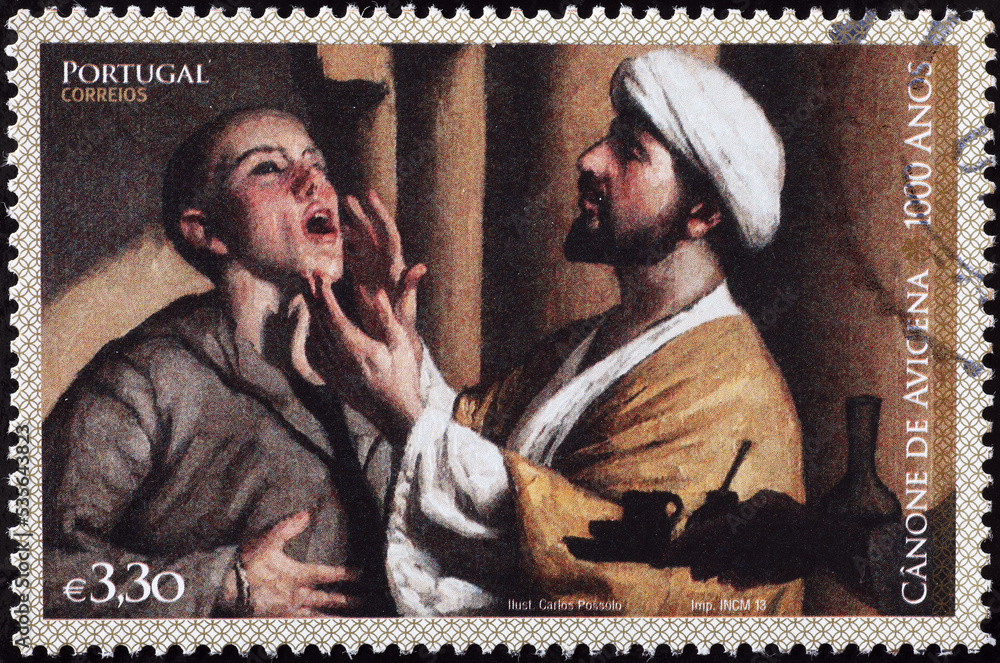
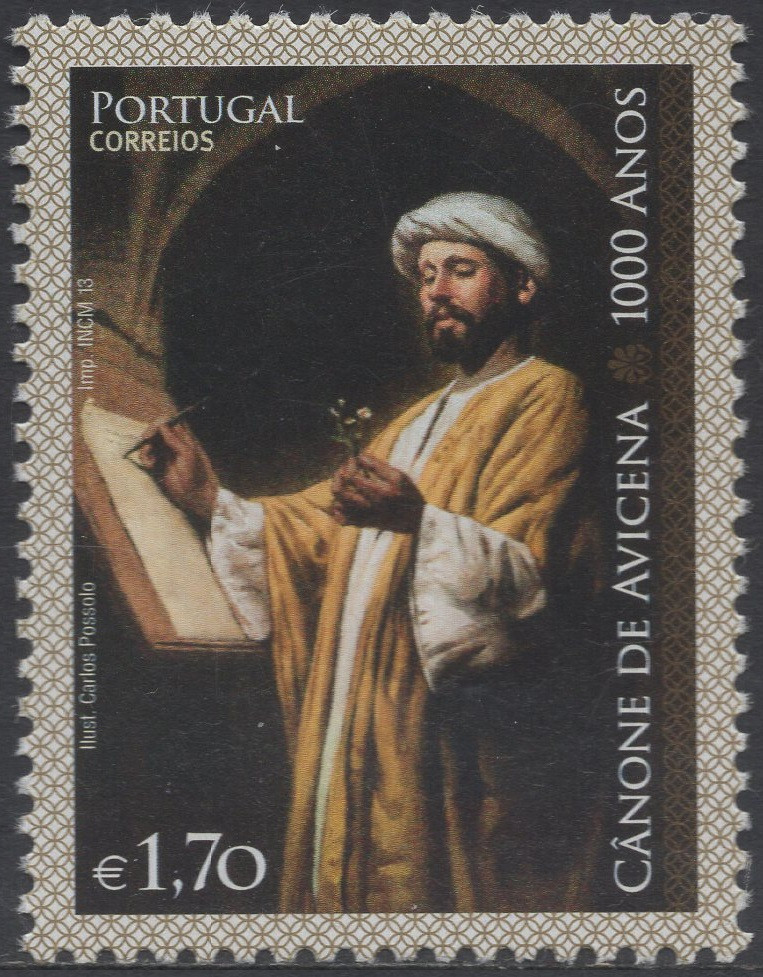
Ibn Sina’s Al-Qanun fi al-Tibb (The Canon of Medicine) is perhaps his most famous and influential work. This comprehensive medical encyclopedia brought together the knowledge of Greek, Roman, and Islamic scholars and integrated it into a systematic, accessible format. It became the standard medical reference in both the Islamic world and Europe for centuries, remaining a central text until the 17th century.
The Canon covered a vast array of medical topics, including anatomy, pharmacology, pathology, and therapeutics. Some of its groundbreaking contributions include:
Contagion and Quarantine: Ibn Sina was one of the first to describe the concept of contagious diseases and emphasize the importance of quarantine to prevent their spread.
The Role of Emotions in Health: He explored the connection between emotional well-being and physical health, paving the way for future studies in psychosomatic medicine.
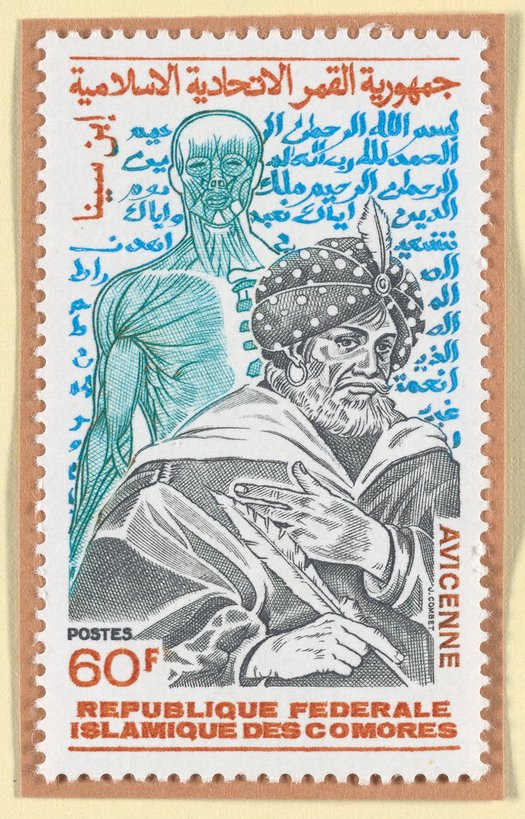
Detailed Anatomy: Ibn Sina’s studies on human anatomy, particularly the functioning of organs and the circulatory system, were far ahead of his time.
Avicenna Canon of Medicine
Innovations in Diagnosis and Treatment
Beyond his encyclopedic writings, Ibn Sina was known for his diagnostic skills and innovative approaches to treating patients. His observations on diseases, especially those related to infectious diseases, were considered revolutionary for his time. His focus on patient care, combined with his keen observational methods, earned him widespread respect.
Philosophy: Merging Reason with Faith
Influence of Aristotle and Neoplatonism
Ibn Sina’s philosophical writings were deeply influenced by the works of Aristotle and Neoplatonism. However, he sought to reconcile these ideas with Islamic theology, creating a unique philosophical framework that fused rational thought with spiritual and religious considerations. His philosophy introduced new concepts in metaphysics, logic, and epistemology, which had a profound impact on later thinkers.
The Book of Healing
In his Kitab al-Shifa (The Book of Healing), Ibn Sina tackled a wide range of subjects, from logic and natural sciences to metaphysics and ethics. This encyclopedic work covers topics such as astronomy, mathematics, physics, and philosophy. It remains one of the cornerstones of Islamic philosophical thought.
The Floating Man
The “Floating Man” is one of Ibn Sina’s most famous thought experiments, used to explore self-awareness and the nature of the soul. In this experiment, he asks us to imagine floating in midair, completely disembodied, with no sensory input. Despite being disconnected from the body and senses, the person remains aware of their own existence. This awareness suggests that the self—the soul—is separate from the physical body.
Ibn Sina used this to argue that the soul is immaterial and distinct from the body, an idea central to his philosophy. This thought experiment was influential in both Islamic and Western philosophy, inspiring thinkers like René Descartes, who echoed Ibn Sina’s view of self-awareness as proof of existence beyond the physical body.
The “Floating Man” remains a key concept in discussions of consciousness, personal identity, and the mind-body relationship.

Astronomy and Other Sciences: A Visionary Scholar
Contributions to Astronomy
In addition to his work in medicine and philosophy, Ibn Sina made important contributions to astronomy. He proposed theories on the nature of celestial objects and the structure of the Milky Way. His ideas influenced later astronomers and helped shape the understanding of the cosmos in both the Islamic and European worlds.
Geology and Psychology
Ibn Sina also made notable contributions to geology, speculating on the nature of sedimentary rock formation and the processes of erosion and deposition. His work in psychology was just as innovative, as he examined the relationship between the mind and body and explored the nature of human consciousness.

Legacy and Influence: A Lasting Impact
Impact on Islamic and Western Thought
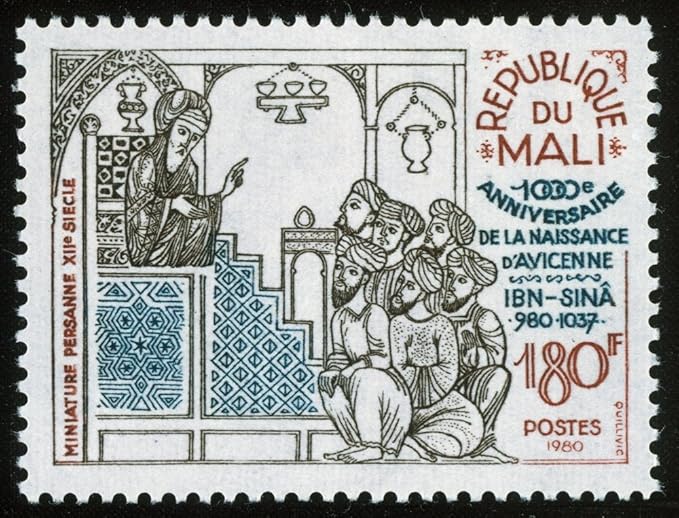
Ibn Sina’s influence extended far beyond his lifetime. His works were translated into Latin during the 12th century, where they became essential texts in European universities. The Canon of Medicine was used as a medical reference in Europe until the 17th century, and his philosophical writings shaped the development of Western scholasticism.
In the Islamic world, Ibn Sina’s legacy continued to grow. He was a leading figure in the Sinaian School of philosophy, a movement that integrated Greek logic and Islamic teachings. His works were studied by subsequent generations of scholars, influencing not only medicine and philosophy but also Islamic mysticism (Sufism).
Honors and Memorials
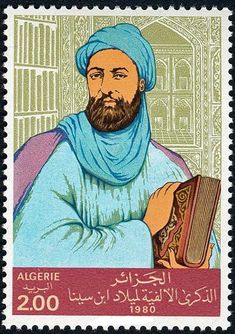
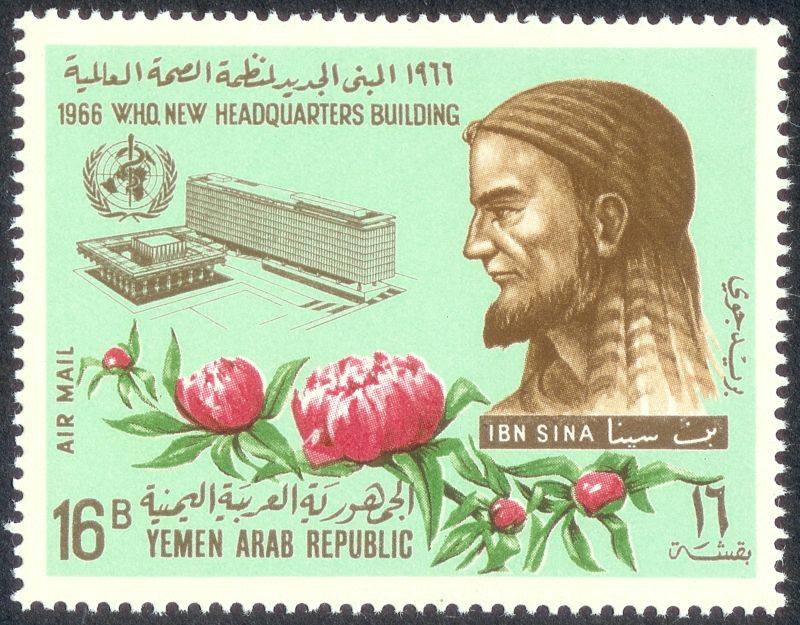
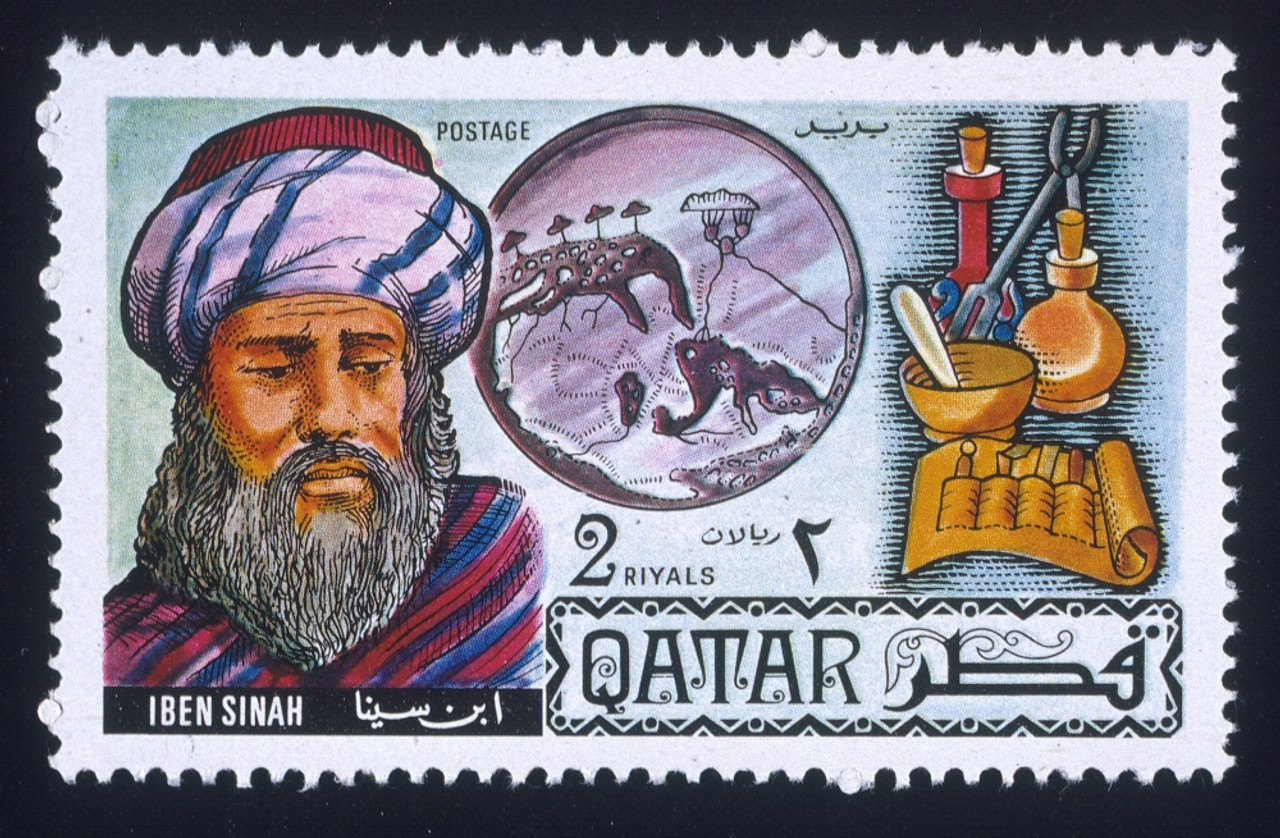
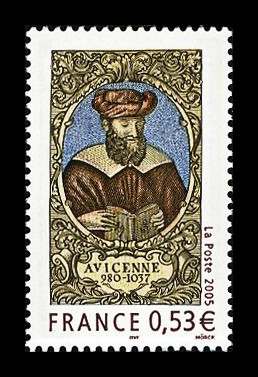
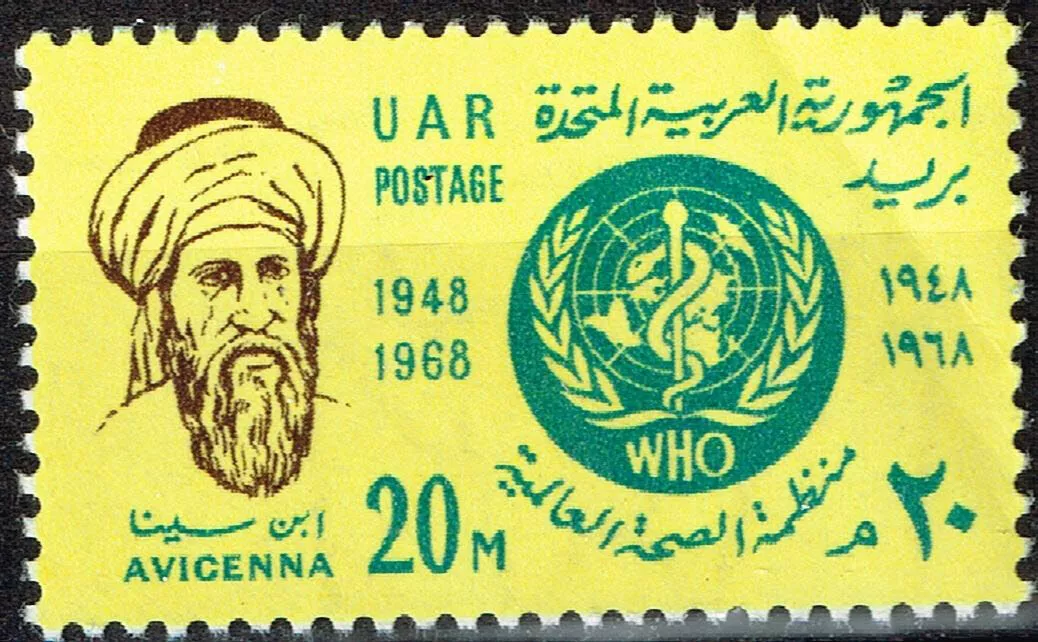
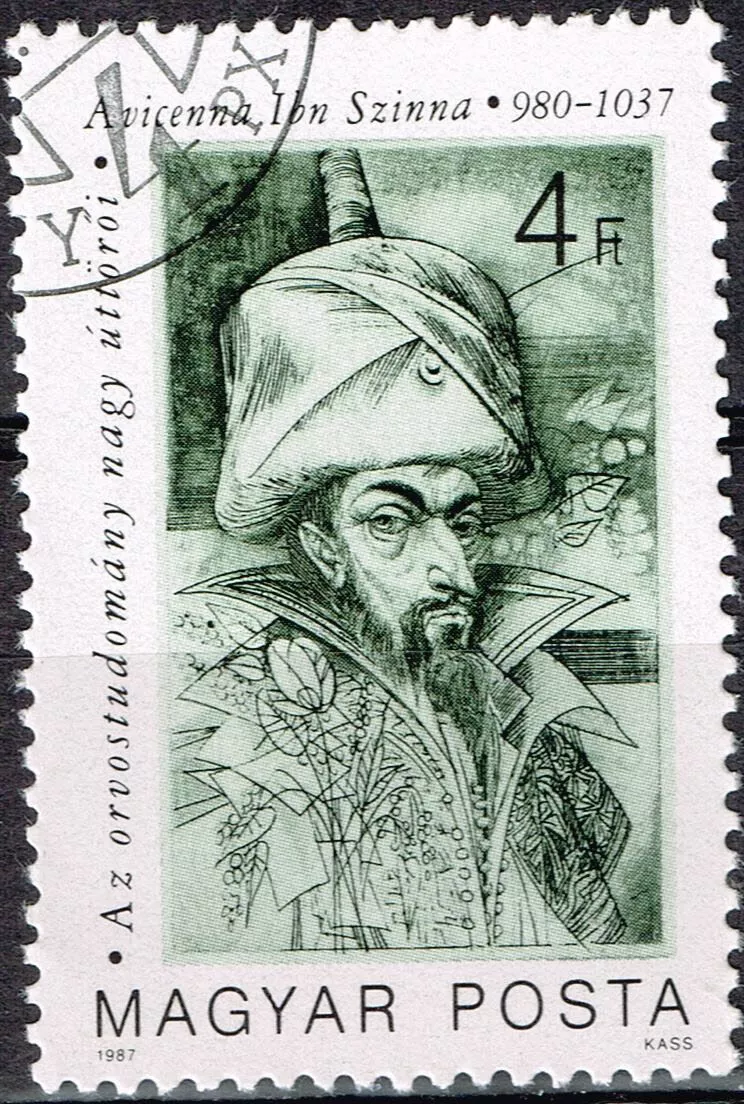
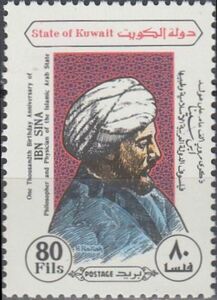
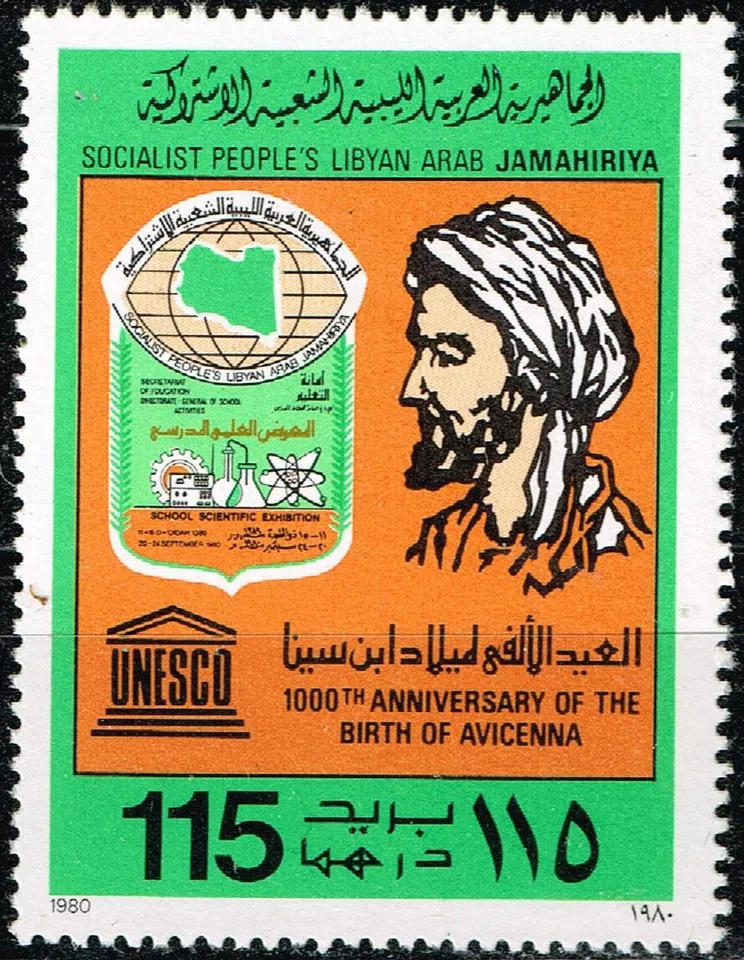
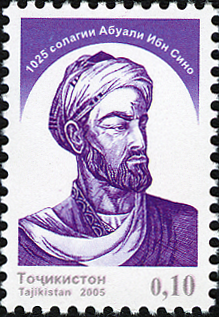
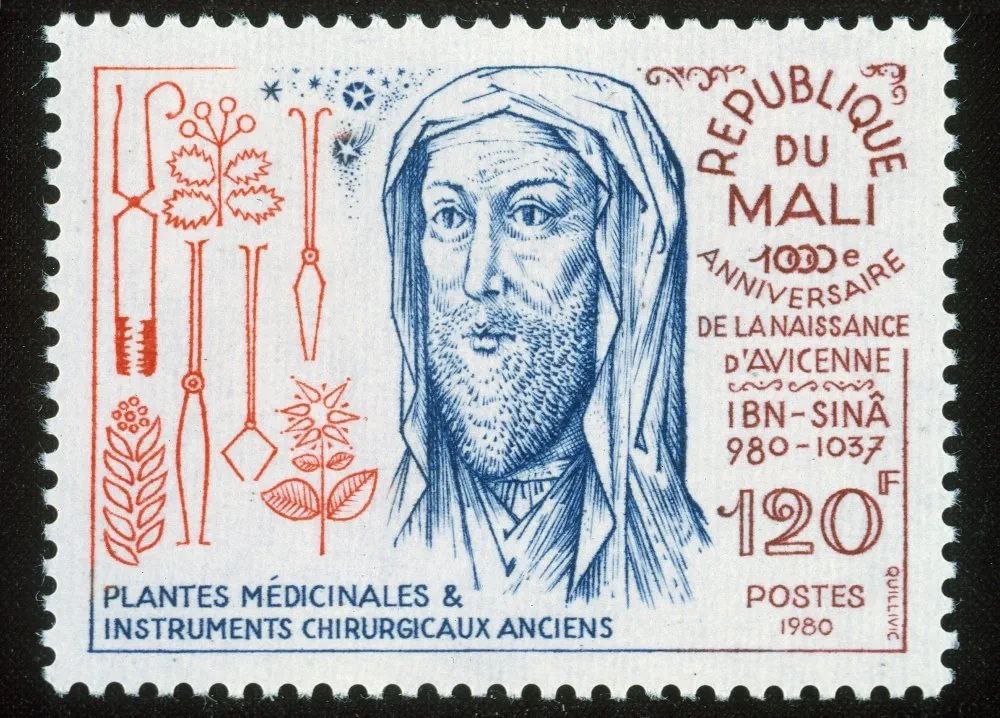
Ibn Sina’s groundbreaking contributions to science, medicine, and philosophy continue to be celebrated globally. His name is honored through various landmarks, awards, and scientific references that immortalize his legacy.
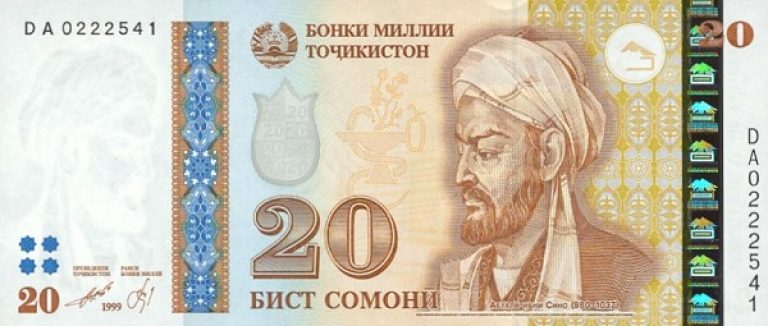
-Avicenna Peak: In Tajikistan, Lenin Peak was renamed to Avicenna Peak in tribute to his monumental impact on knowledge and science.
-Avicenna Prize for Ethics in Science: Awarded by UNESCO, this prestigious prize recognizes individuals who have made exceptional contributions to ethical scientific work, reflecting Ibn Sina’s commitment to integrating ethics with science.
-Avicenna Lunar Crater and Asteroid: The lunar crater Avicenna and asteroid (2755) Avicenna serve as celestial tributes to his enduring influence in astronomy and beyond.
-Asteroid 2755 Avicenna – An asteroid in the solar system is named in his honor, reflecting his lasting influence on scientific discovery.
-Educational Institutions: Numerous universities and medical institutions worldwide have named buildings, programs, and lectureships after Avicenna, further cementing his role as a guiding light in intellectual and scientific development.
-The book The Physician by Noah Gordon tells the story of a young Englishman, a medical apprentice, who wishes to learn from the great master of his time. The novel Avicenna or the Road to Isfahan by Gilbert Sinoué also tells the story of Avicenna’s life from a human perspective, with his passions and wisdom.
-Avicenna or the Road to Isfahan by Gilbert Sinoué (1999) – This novel gives a detailed fictional account of Ibn Sina’s life and intellectual struggles.
-The Avicenna Museum (Bukhara, Uzbekistan) – Located in the city of Bukhara, this museum is dedicated to Avicenna’s life and works, showcasing manuscripts, historical items, and contributions to science.
-Avicenna Square (Dushanbe, Tajikistan) – A major landmark in the capital city of Tajikistan, with a statue of Ibn Sina, celebrating his cultural and intellectual legacy.
-Avicenna Mausoleum (Hamedan, Iran) – The burial place of Ibn Sina in Hamedan, Iran, where a large monument honors his life and work.
Avicenna’s Relevance Today
Avicenna’s approach to knowledge—integrating science, philosophy, and spirituality—offers valuable lessons in an age of increasing specialization. His emphasis on empirical observation and rationality continues to inspire scholars, while his medical insights laid the groundwork for modern practices in public health and diagnostics. His holistic view of knowledge also serves as a reminder of the interconnectedness of various fields of study, an approach that is especially relevant today.
Conclusion: A Timeless Legacy
Avicenna’s life and work stand as a testament to the power of human curiosity, intellect, and perseverance. His contributions to medicine, philosophy, and science have stood the test of time, influencing countless generations of scholars across cultures and continents. His legacy is not just confined to history books—his work continues to inspire and inform the disciplines he touched. By studying Avicenna’s achievements, we not only honor his incredible intellectual legacy but also find inspiration to approach the world with curiosity, reason, and an open mind.

Persian Scholars Pavilion in the United Nations Office at Vienna.
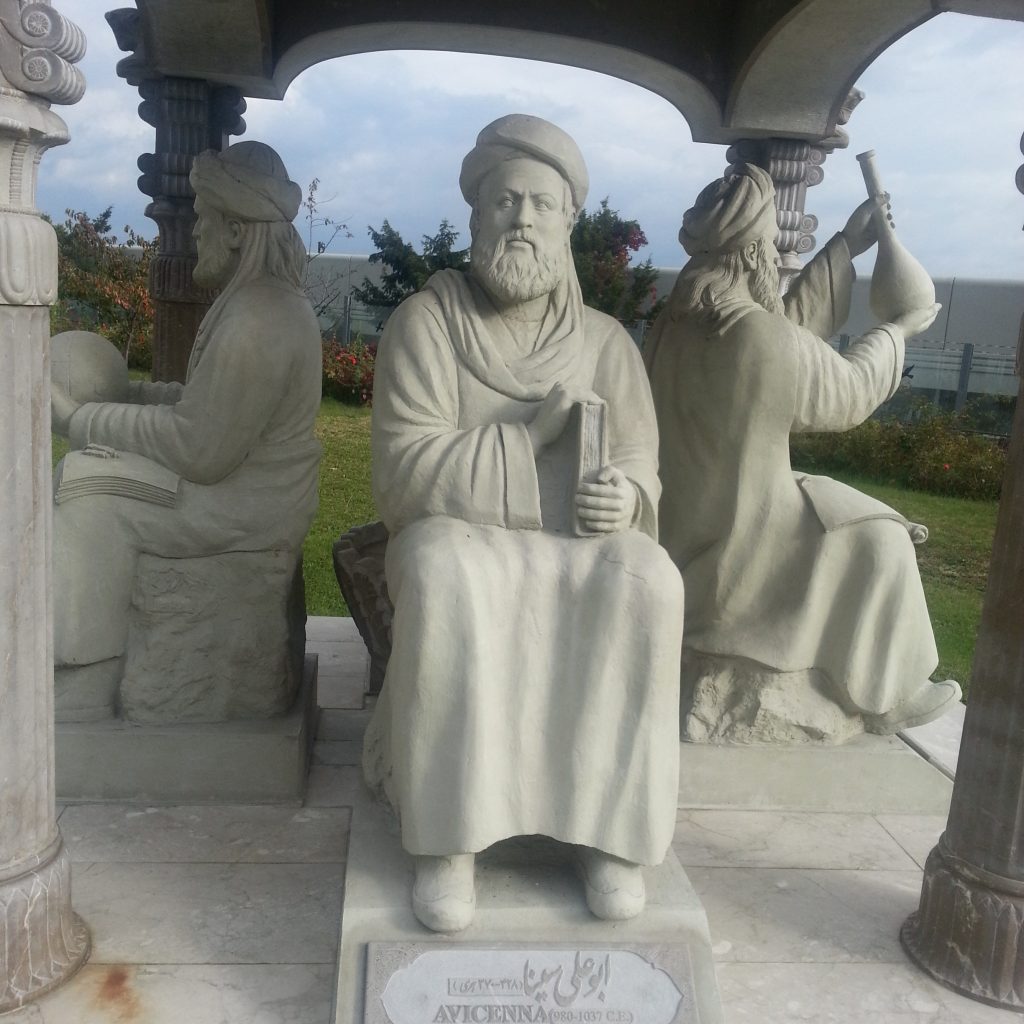
Avicenna
Visiting Avicenna’s Homeland: A Journey Through History
For those captivated by Avicenna’s legacy, why not step into his world? Visit his birthplace in modern-day Uzbekistan or his mausoleum in Hamedan, Iran, to walk in the footsteps of one of history’s greatest minds. These sites offer more than a journey through time—they’re gateways to the vibrant cultures that shaped his genius. Ready to be inspired by the history, beauty, and charm of these culturally rich countries? Contact TravelSerai to plan your adventure and uncover the brilliance of Avicenna firsthand!


Comment (0)