Discover Garni Temple: Armenia’s Ancient Greco-Roman Masterpiece

Garni Temple: Armenia’s Ancient Wonder Garni Temple, an awe-inspiring Greco-Roman architectural masterpiece, stands as one of Armenia’s most treasured historical sites. Nestled in the Kotayk Province, approximately 30 kilometers east of Yerevan, this well-preserved pagan temple is a testament to the rich cultural and religious heritage of ancient Armenia. With its stunning location overlooking the […]

Read More

Itchan Kala: The Preserved Jewel of the Silk

Nestled in the heart of the Kyzylkum Desert in Uzbekistan, Itchan Kala stands as a living testament to the rich history, culture, and architectural brilliance of Central Asia. This ancient walled city, located within the modern city of Khiva, is a UNESCO World Heritage Site and one of the most well-preserved examples of Islamic architecture […]

Read More

A Comprehensive Guide to Iranian Cinema: From Its Roots to Global Acclaim

Iranian cinema, renowned for its artistic depth and rich storytelling, stands as a cultural treasure that has captivated audiences worldwide. From its humble beginnings to its present-day international success, Iranian cinema reflects the nation’s cultural, social, and historical evolution. In this article, we explore the history, milestones, key figures, and international acclaim of Iranian cinema, […]

Read More

Shapur I’s Victory Relief at Naqsh-e Rostam: A Testament to Sasanian Grandeur

The triumphal relief of Shapur I at Naqsh-e Rostam, near Persepolis in modern-day Iran, stands as one of the most vivid and enduring depictions of Sasanian military and political power. Carved into the cliffs of the Zāgros Mountains, this monumental artwork commemorates the Persian emperor’s decisive victory over three Roman emperors, embodying the zenith of […]

Read More

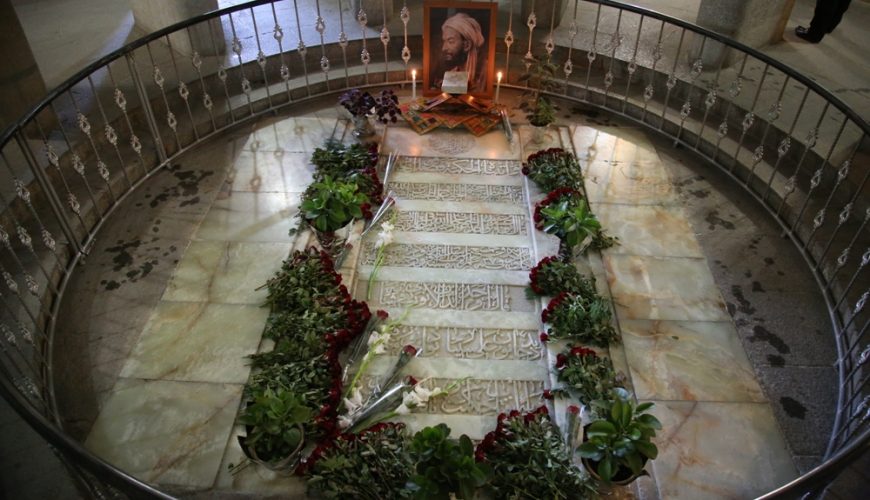
Ibn Sina (Avicenna): The Polymath Who Shaped the World of Science, Medicine, and Philosophy

Introduction: The Genius of Ibn Sina Ibn Sina, known in the West as Avicenna, was a polymath whose intellectual legacy has profoundly shaped the development of science, medicine, and philosophy. Born around 980 CE in Afshana, near Bukhara (modern-day Uzbekistan), he grew up in a region steeped in Persian culture and intellectual tradition. Renowned as […]

Read More

Step Into History at Mount Nemrut: The Ultimate Travel Guide

Mount Nemrut: A Monumental Testament to Cultural Fusion Mount Nemrut (Nemrut Dağı), located in southeastern Turkey near the upper reaches of the Euphrates River, stands as a cultural and archaeological marvel. Situated at an altitude of 2,150 meters within the Taurus Mountains, this UNESCO World Heritage Site is renowned for its monumental sculptures and the sanctuary […]

Read More

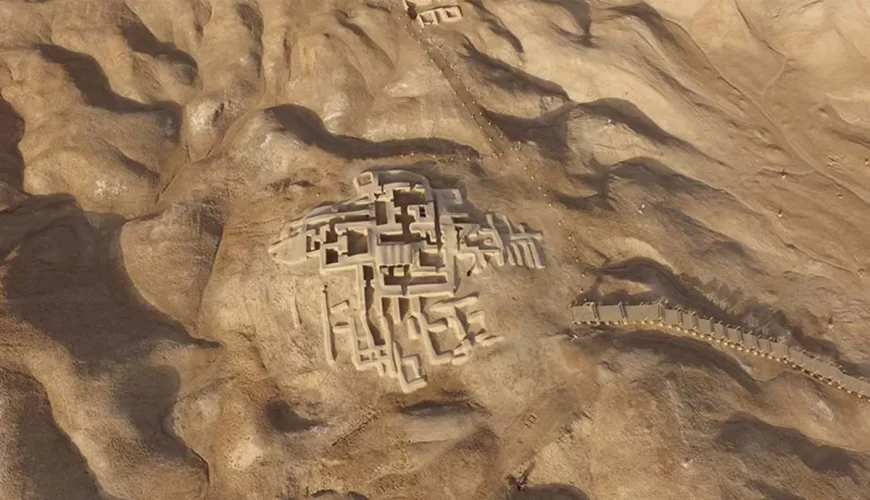
5000-Year-Old Artificial Eye Found in Iran: All You Need to Know About the Oldest Known Prosthesis

The Fascinating Finds of Shahr-e Sukhteh The Burnt City (Shahr-e Sukhteh), a prehistoric site located near Zabol in southeastern Iran, continues to astonish archaeologists with its remarkable discoveries. Among its most extraordinary findings is a 5,000-year-old prosthetic eye, shedding light on the advanced craftsmanship, medical knowledge, and cultural sophistication of the civilization that thrived there. […]

Read More

Dovetail Clamps: Ancient Engineering Marvels Across Civilizations

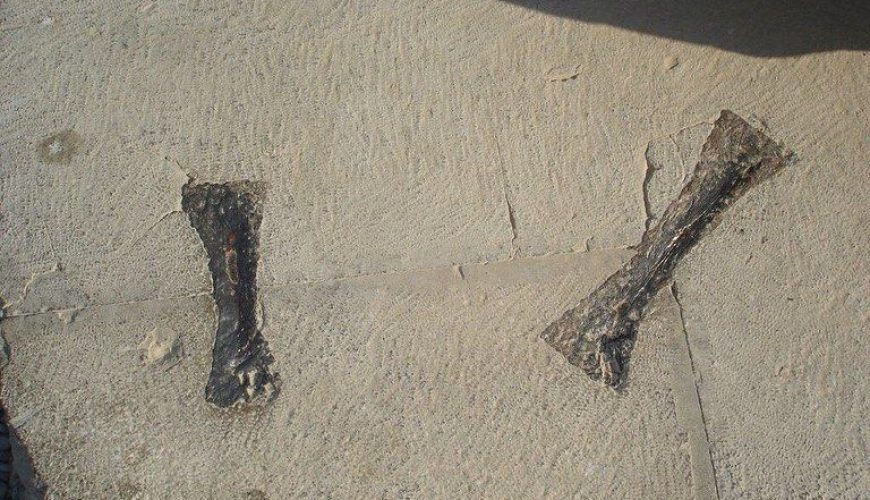
The Hidden Construction Secret Linking Ancient Empires The use of metallic dovetail clamps, also known as “keystone cut clamps,” showcases the engineering brilliance and creativity of ancient civilizations. These clamps, vital for binding stone blocks in masonry construction, represent a groundbreaking advancement in structural engineering. Found in monuments and structures across Egypt, Iran, Greece, China, […]

Read More

The Scythians: Warriors of the Steppes and Guardians of Nomadic Culture

Overview The Scythians, also known as Saka سکا 𐎿𐎣 in Old Persian and Σκύθης in Greek, were a formidable group of Iranian-speaking nomadic tribes that ruled over vast stretches of the Eurasian steppe, modern-day Ukraine and Southern Russia. Their influence extended from Central Asia to parts of Eastern Europe, as well as into present-day Iran […]

Read More

Ulugh Beg, Astronomer Prince and the Scientific Legacy of the Timurid Empire

Introduction Ulugh Beg (1394–1449), a Timurid prince, was one of the most notable figures in the history of medieval science. Known as a statesman, scholar, and astronomer, his contributions to the field of astronomy during the Islamic Golden Age significantly shaped the development of both Islamic and Western science. His construction of the observatory in […]

Read More