
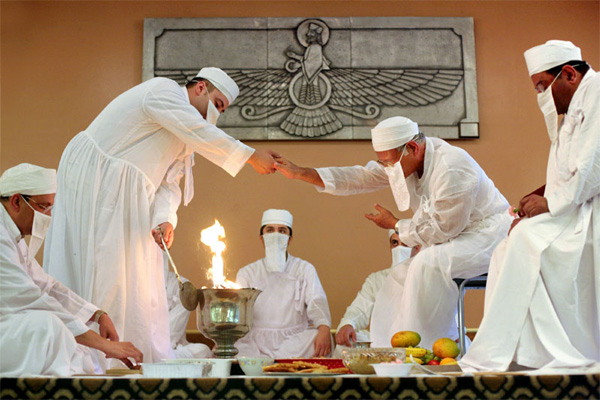
Zoroastrianism
Zoroastrianism also known as Mazdayasna and Behdin is an ancient Persian religion that may have originated as early as 4,000 years ago. Arguably the world’s first monotheistic faith, it’s one of the oldest religions still in existence. Zoroastrianism was the state religion of three Persian dynasties (Achaemenid Empire, the Parthian Empire, and the Sassanian Empire.) until the Muslim conquest of Persia in the seventh century A.D. Zoroastrian refugees, called Parsis, escaped Muslim persecution in Iran by emigrating to India. Zoroastrianism now has an estimated 100,000 to 200,000 worshipers worldwide and is practiced today as a minority religion in parts of Iran, India, Pakistan and others.
Index
– Founder of this Religion: Zoroaster
– Book of Zoroastrianism
– The Pillars of Zoroastrianism
– Zoroastrians in Iran
– The Significance of Fire in Zoroastrianism
– Prominent Fire Temples During the Sassanid Era
– Yazd and Kerman: Strongholds of Zoroastrianism in Iran
– Zoroastrians Outside Iran
*Parsis
*Iranis
– Parsi Tower of Silence in Mumbai
– Zoroastrian Symbols and Beliefs
– Festivals
– Modern Challenges
– The Global Zoroastrian Community:
– Conclusion
Founder of this Religion: Zoroaster
The prophet Zoroaster (زرتشت Zarathustra in ancient Persian) is regarded as the founder of Zoroastrianism, which is arguably the world’s oldest monotheistic faith. Some scholars believe he was a contemporary of Cyrus the Great, a king of the Persian Empire in the sixth century B.C., though most linguistic and archaeological evidence points to an earlier date—sometime between 1500 and 1200 B.C. Zoroaster is thought to have been born in what is now northeastern Iran or southwestern Afghanistan. He may have lived in a tribe that followed an ancient religion with many gods (polytheism), likely similar to early forms of Hinduism.
According to Zoroastrian tradition, Zoroaster had a divine vision of a supreme being while partaking in a pagan purification rite at age 30. He began teaching followers to worship a single god called Ahura Mazda.
In the 1990s, Russian archaeologists at Gonur Tepe, a Bronze Age site in Turkmenistan, discovered the remains of what they believed to be an early Zoroastrian fire temple. The temple dates to the second millennium B.C., making it one of the earliest known sites associated with Zoroastrianism.
Book of Zoroastrianism
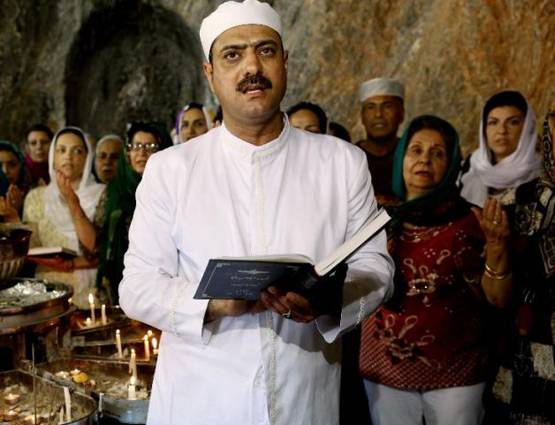
Most of what is known about Zoroaster comes from the Avesta—a collection of Zoroastrian religious scriptures. Here are some key texts and categories of Zoroastrian literature:
– Avesta: The core religious text, consisting of various sections, including the Gathas, which are hymns attributed to Zoroaster himself.
– Pahlavi Literature: Texts written in Middle Persian, such as the Bundahishn, Dinkard, and Yashts, which provide interpretations and expansions of the teachings found in the Avesta.
– Khordeh Avesta: A collection of prayers and liturgical texts used in daily rituals, often considered a more accessible version of the Avesta for laypeople.
– Zand: Commentaries and explanations of the Avesta that help clarify the meanings of the original texts.
– Historical and Philosophical Works: Various writings exploring Zoroastrian philosophy, ethics, and history, contributing to a broader understanding of the faith.
Overall, Zoroastrian literature encompasses a rich tradition of religious, philosophical, and historical texts that have evolved over centuries, primarily preserved in the Avesta and its associated works.
The Pillars of Zoroastrianism
Zoroastrianism is founded on three key principles: good thoughts, good words, and good deeds.
Good Thoughts: This emphasizes the importance of maintaining a positive mindset, which shapes actions and intentions.
Good Words: This highlights the significance of speaking kindly and truthfully to build trust and harmony.
Good Deeds: This encourages acts of kindness and generosity, contributing positively to society.
Together, these pillars guide followers toward a life of integrity and compassion.
Zoroastrians in Iran
Zoroastrianism shaped one of the ancient world’s largest empires—the Persian Empire. Cyrus the Great, a devout Zoroastrian, allowed non-Iranian subjects to practice their religions. The beliefs of Zoroastrianism spread across Asia via the Silk Road, influencing major religions like Judaism, Christianity, and Islam.
The Muslim conquest of Persia (A.D. 633-651) led to the decline of Zoroastrianism, with many converting to Islam and a large wave of Iranian migrants fleeing to India to form the Parsi community.
The Significance of Fire in Zoroastrianism
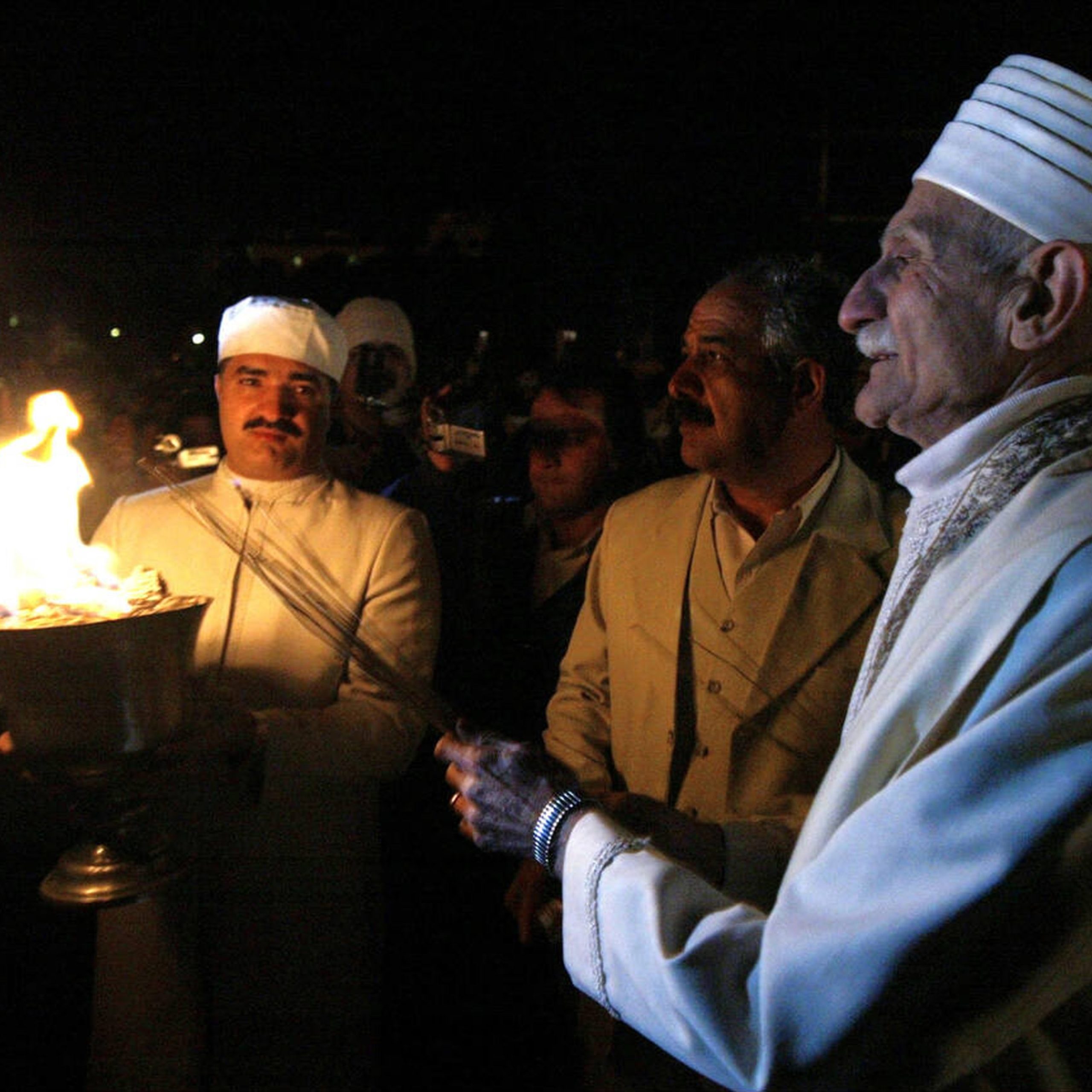
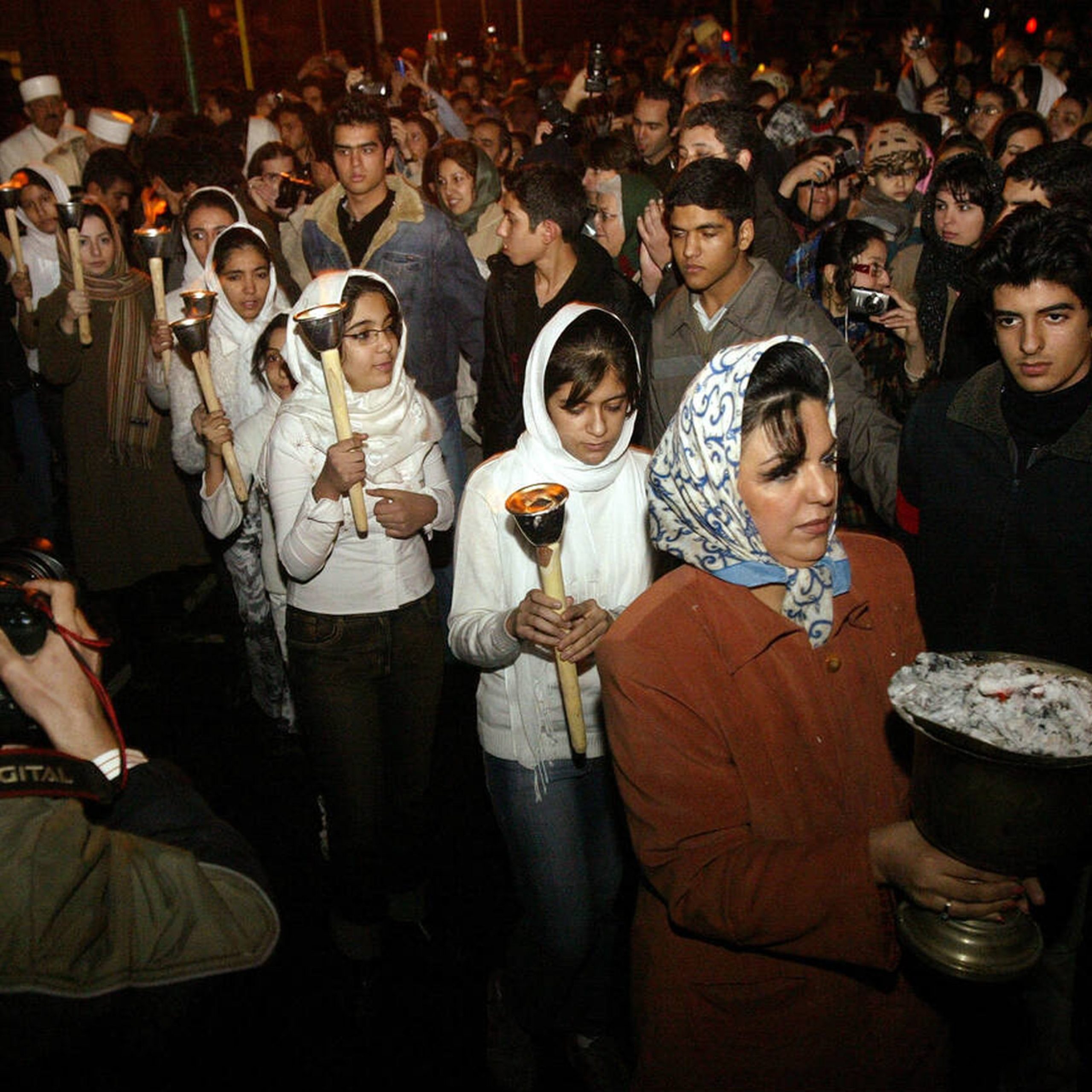
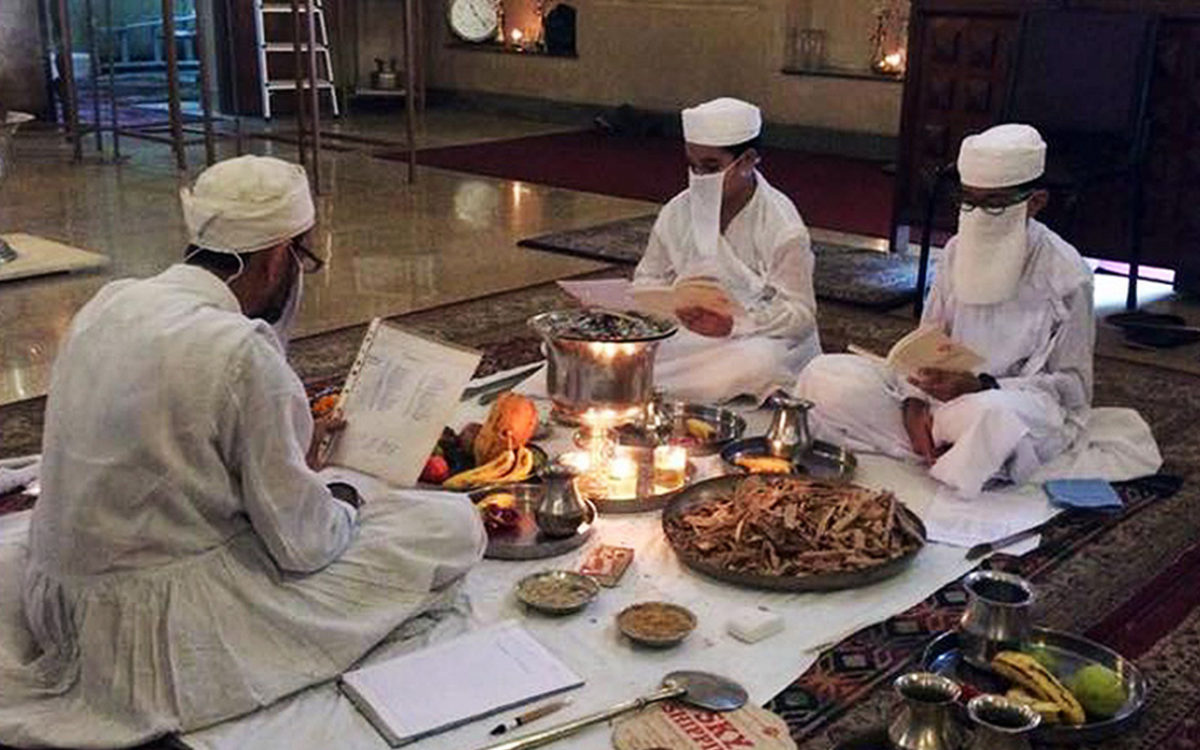
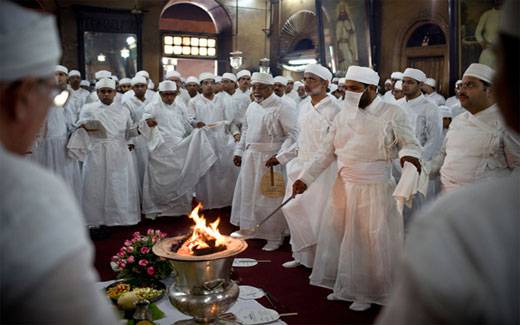
Fire holds a sacred place in Zoroastrianism, symbolizing purity, truth, and the divine presence of Ahura Mazda, the supreme deity. In this ancient faith, fire represents the light of wisdom and the eternal struggle between good and evil. Zoroastrians maintain consecrated fires in temples, where they are tended to with great reverence, reflecting a commitment to keeping the spiritual flame alive.
Moreover, fire serves as a metaphor for the soul’s journey toward enlightenment. It embodies the transformative power of truth and righteousness, illuminating the path toward moral integrity. Thus, in Zoroastrian rituals and daily life, fire is not just a physical element but a profound symbol of spiritual aspiration and the ever-present light guiding believers in their quest for a just and harmonious existence.
Prominent Fire Temples During the Sassanid Era
During the Sassanid era (224–651 CE), three prominent fire temples were highly revered in Zoroastrianism:
– Azar Gushnasp Fire Temple: Located near Takab, West Azerbaijan Province. This temple was associated with the warrior class and symbolized divine protection.
– Azar Farnbag Fire Temple: Near Karyan, Fars Province. Dedicated to high priests, it served as a center for rituals and education, renowned for its sacred fire.
– Azar Barzinmehr Fire Temple: Near Neishabur, Khorasan Province. Dedicated to the fire of Mithra, it was a significant pilgrimage site.
These fire temples were central to the religious practices of the Sassanid Empire and symbolized the enduring legacy of Zoroastrianism in ancient Persia.
Yazd and Kerman: Strongholds of Zoroastrianism in Iran
The largest Zoroastrian communities in Iran today are found in the provinces of Yazd and Kerman. Yazd is considered the spiritual center of Zoroastrianism in Iran, home to several important Zoroastrian sites, including the Ateshkadeh fire temple, which houses a fire that has burned continuously for over 1,500 years.
Kerman is the second largest Zoroastrian hub in Iran, retaining its importance for the faith.
Chak Chak, a village near Ardakan, is a major pilgrimage site where thousands visit the fire temple at Pir-e Sabz each June to commemorate the legend of Nikbanou, daughter of the last Sassanid ruler.
Zoroastrians Outside Iran
Zoroastrians outside Iran primarily consist of two main groups: the Parsis and the Iranis, each with distinct historical backgrounds and cultural practices.
Parsis
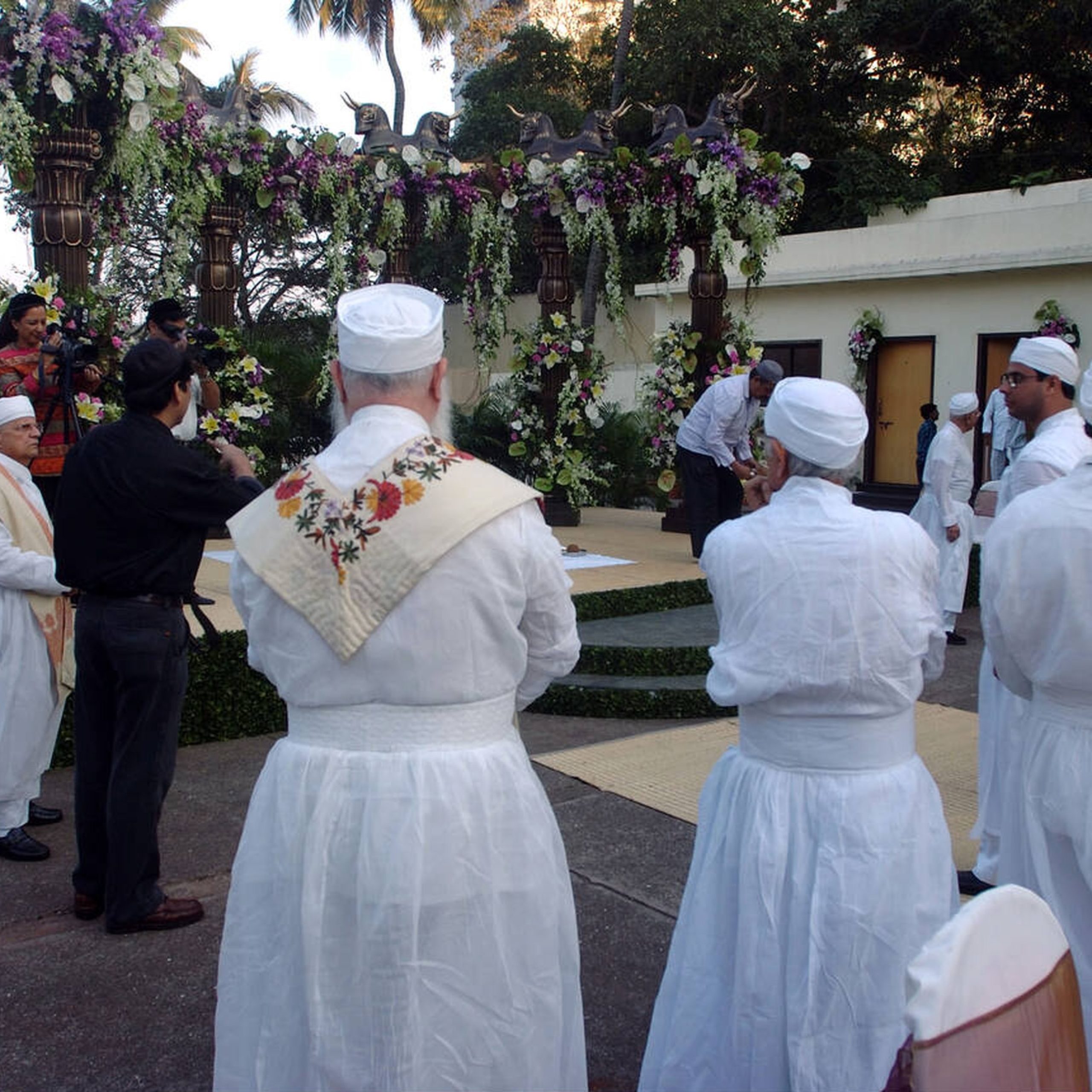
Parsis: Descendants of Persian Zoroastrians who migrated to India, mainly Gujarat, to escape Islamic conquest in the 7th century. Today, India is home to the largest Zoroastrian community globally, primarily residing in Mumbai.
Iranis
Iranis: More recent migrants from Iran, arriving during the Qajar dynasty, settling in India and Karachi.
Both groups continue to practice their faith while adapting to new cultural contexts, maintaining a unique identity that reflects both their heritage and current surroundings.
Parsi Tower of Silence in Mumbai
The Zoroastrian Tower of Silence in Mumbai was built by Seth Modi Hirji in 672. Located atop Malabar Hills, it serves as a place for the last rites of the dead. The Tower of Silence is designed according to Zoroastrian beliefs, allowing corpses to be exposed to birds of prey, in line with the principles of the Zend-Avesta, which preach against polluting the earth, air, or water through burial or cremation.
As of 2021, there were 167 fire temples worldwide, with 45 in Mumbai, 105 in India, and 17 in other countries. The Banaji Limji Agiary is the oldest Zoroastrian fire temple in Mumbai, constructed in 1709.
Zoroastrian Symbols and Beliefs
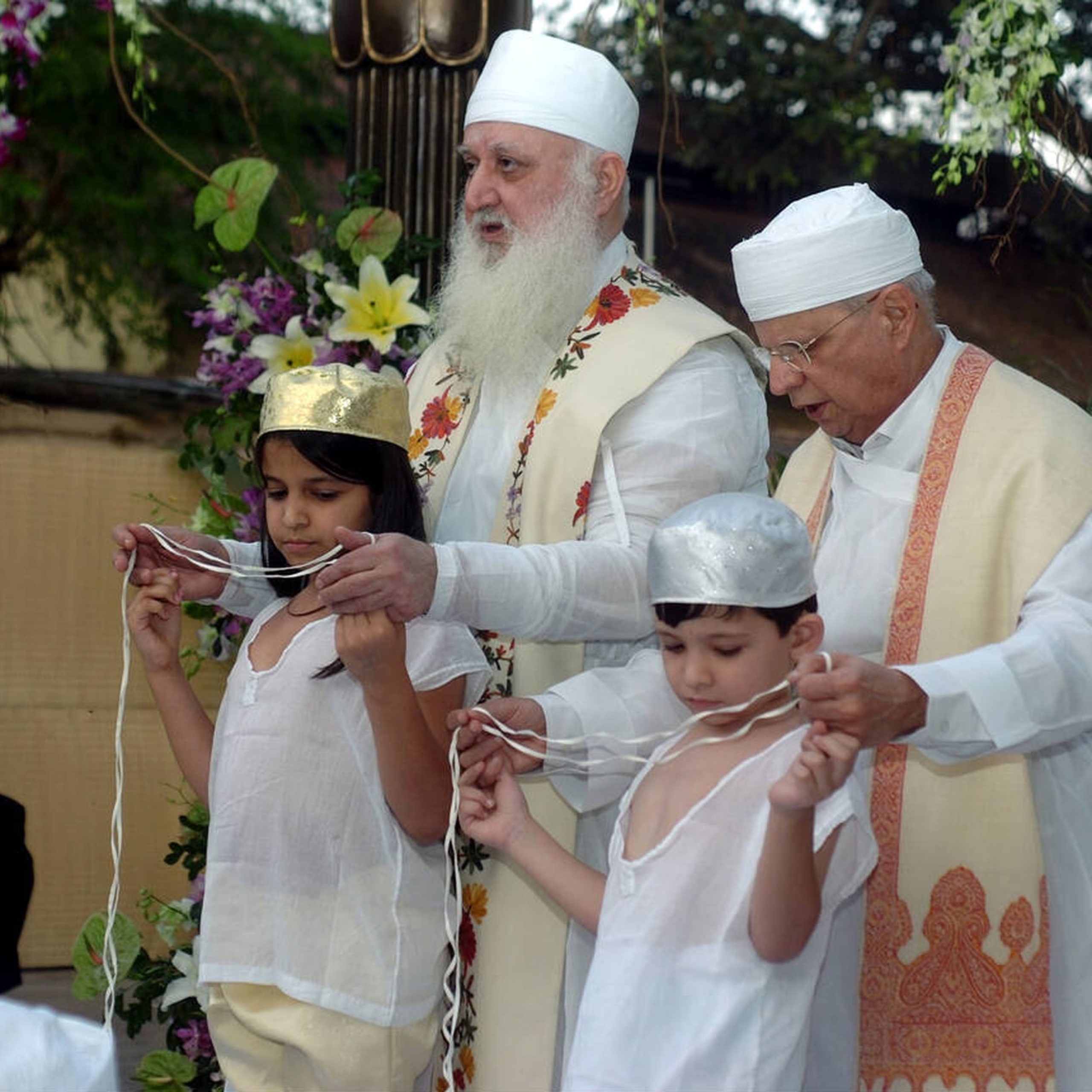
The Faravahar is an ancient symbol of the Zoroastrian faith, representing the soul’s journey. Fire symbolizes light, warmth, and truth, while water embodies purity and life. Zoroastrians revere fire in their temples, maintaining eternal flames as symbols of purity and the divine presence. Key tenets of Zoroastrianism include the duality of good and evil, the importance of individual choice, and the eventual triumph of good.
Zoroastrianism emphasizes environmental stewardship, purity of water and fire, and has unique gender roles reflected in its texts.
Festivals
Zoroastrians celebrate several significant festivals, including:
– Nowruz: The Persian New Year, marking the arrival of spring and celebrated with various rituals and feasts.
– Gahambars: Six seasonal festivals celebrating creation and the earth’s bounty.
– Sadeh: A mid-winter festival commemorating the discovery of fire, symbolizing warmth and light.
– Farvardgan or Muktad: A time to honor the spirits of the dead, often involving prayers and offerings.
These festivals underscore the Zoroastrian ethos of celebrating life and honoring the divine.
Modern Challenges
Zoroastrians today face challenges such as declining numbers, intermarriage, and cultural assimilation, threatening the preservation of their distinct identity. The global Zoroastrian community, particularly the Parsi population in India and the Iranian Zoroastrians, has adapted its practices to fit new cultural contexts while maintaining core beliefs.
The Global Zoroastrian Community:
Iran: Approximately 20,000 to 30,000 Zoroastrians
India: About 100,000 to 120,000 Parsis and Irani Zoroastrians
Pakistan: Roughly 1,000 to 3,000 Zoroastrians
United States: Estimated 25,000 to 30,000 Zoroastrians
Canada: Around 5,000 to 10,000 Zoroastrians
United Kingdom: Approximately 5,000 to 7,000 Zoroastrians
Conclusion
Zoroastrianism, with its rich history and enduring influence, continues to be a vital part of the spiritual tapestry of the world, navigating modern challenges while holding onto its ancient roots.
At TravelSerai, we offer you the chance to explore the fascinating history and sacred sites of Zoroastrianism, providing in-depth tours that not only connect you with this ancient faith but also with the diverse cultural and historical wonders of the regions where it once thrived. Contact us today to plan your journey and experience these spiritual landmarks firsthand.”
References:
English:
www.avesta.org
zoroastrians.net
The Avestan Digital Archive
The Circle of Ancient Iranian Studies
ahuramazda.com
The World Zoroastrian Organisation
Bombay Parsi Punchayet
Parsi Zoroastrian Anjuman of Secunderabad & Hyderabad
Parsi Times
Parsi Khabar
Delhiparsis
Heritageinstitute
The Zoroastrian Trust Funds of Europe
Feration of Zoroastrian Associations of North America
Australian Zoroastrian Association
List of Zoroastrian institutions outside IranSpanish:
Asamblea Mazdayasna Spenta
Persian:
انجمن موبدان تهران
انجمن زرتشتیان تهران
انجمن زرتشتی های المان
انجمن زرتشتی های یزد
برساد، تارنمای خبری تحلیلی زرتشتیان
کانون دانشجویان زرتشتی
امردادنيوز
نهادهای زرتشتی ایران




Comment (0)